

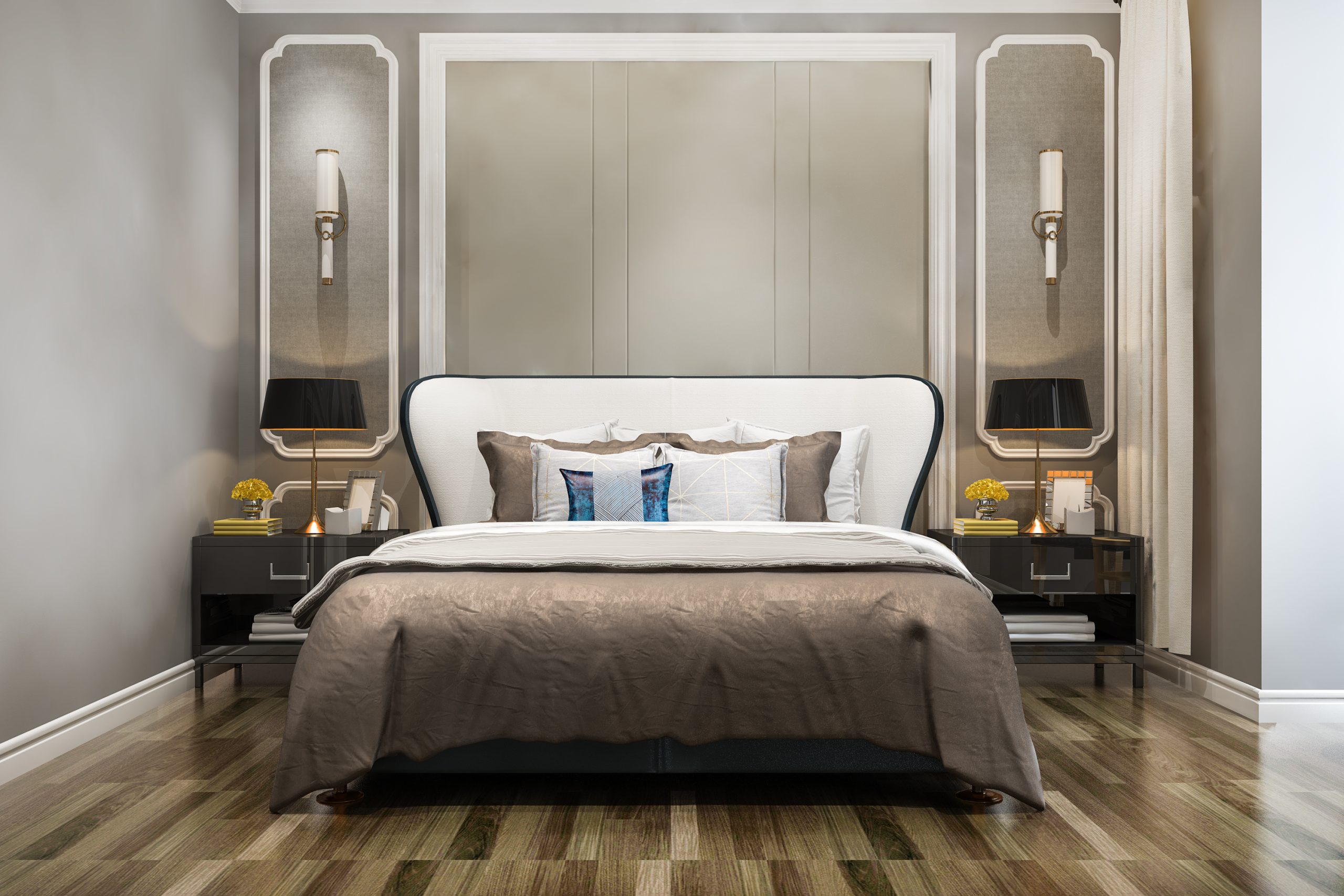
Modern bedroom ideas often begin with a simple desire most people share, a space that feels calm at the end of a long day yet looks stylish enough to inspire you every morning.
Bedrooms today are no longer just places to sleep. They have become personal sanctuaries where design, comfort, and personality meet. A modern bedroom balances clean aesthetics with warmth, creating a space that feels effortless rather than overdesigned. This guide explores how modern bedroom design works in real homes, using practical experience, design principles, and lifestyle-focused thinking.
Table of Contents
ToggleWhat Defines a Modern Bedroom Today
Modern design is often misunderstood as cold or minimal to the extreme.
In reality, modern bedrooms focus on clarity, balance, and intention. Every element has a purpose, whether it’s furniture placement, lighting, or color selection. The goal is to reduce visual noise while enhancing comfort.
A modern bedroom feels open, breathable, and personal rather than cluttered or overly decorative.
Why Modern Bedroom Design Feels So Relaxing
The human brain responds positively to order.
Clean lines, cohesive colors, and uncluttered spaces reduce mental stress. Modern bedrooms create a visual rhythm that encourages rest and focus, which is essential in a room meant for recovery and sleep.
This is why people naturally gravitate toward modern bedroom ideas when redesigning their homes.
Color Palettes That Define Modern Bedrooms
Modern bedrooms often rely on neutral foundations.
Soft whites, warm greys, beige tones, and muted earth colors dominate modern spaces. These shades create flexibility, allowing textures and furniture to stand out without overwhelming the room.
Accent colors are usually subtle and intentional, appearing through artwork, cushions, or throws.
The Role of Texture in Modern Bedroom Design
Texture adds depth where ornamentation is minimal.
Natural wood grains, linen fabrics, soft rugs, and matte finishes prevent modern bedrooms from feeling flat. Mixing textures creates visual interest while maintaining simplicity.
A bedroom with layered textures feels inviting even with a limited color palette.
Furniture Choices That Shape Modern Bedrooms
Modern furniture prioritizes form and function.
Beds often have clean headboards or low-profile frames. Nightstands feature simple silhouettes, sometimes floating or handle-less. Wardrobes and storage blend into the architecture rather than dominating the room.
Furniture should feel intentional, not excessive.
Minimalism Without Losing Warmth
Minimalism is not about emptiness.
In modern bedrooms, minimalism means keeping what matters and removing distractions. Personal items are curated rather than displayed randomly.
A modern bedroom still reflects personality, just in a quieter, more thoughtful way.
Lighting as a Design Element
Lighting defines the mood of a modern bedroom.
Soft ambient lighting replaces harsh overhead lights. Bedside lamps, wall sconces, and indirect lighting create layers of illumination that adapt to different times of day.
Natural light is also maximized through sheer curtains or uncluttered windows.
How Layout Impacts Modern Bedroom Comfort
Modern design respects spatial flow.
Furniture placement allows easy movement and visual balance. Beds are often centered to anchor the room, while storage remains discreet.
A well-planned layout makes even small bedrooms feel spacious and calm.
Modern Bedroom Ideas for Small Spaces
Small bedrooms benefit greatly from modern design.
Clean lines and light colors visually expand the space. Multi-functional furniture, such as beds with storage or wall-mounted nightstands, keeps the room efficient without feeling cramped.
Modern design proves that size doesn’t limit style.
Personal Story From a Modern Bedroom Makeover
A young couple redesigned their bedroom after years of cluttered décor.
They chose neutral walls, a simple wooden bed, and soft lighting. The transformation wasn’t dramatic in cost but significant in feeling. Sleep quality improved, and the room felt like a retreat rather than storage space.
This real-life experience reflects why modern bedroom ideas resonate with so many homeowners.
Materials That Define Modern Bedroom Style
Natural materials dominate modern spaces.
Wood, stone, metal, and fabric are preferred over synthetic finishes. These materials age gracefully and bring warmth to minimalist designs.
Sustainability also plays a growing role in material choices.
Modern Bedroom Walls and Visual Balance
Walls in modern bedrooms remain subtle.
Rather than busy patterns, designers use textured finishes, accent walls, or oversized art pieces. This keeps visual interest focused rather than scattered.
A single statement wall often replaces multiple decorative elements.
Smart Storage in Modern Bedrooms
Clutter disrupts modern aesthetics.
Built-in wardrobes, hidden drawers, and under-bed storage help maintain a clean look. Storage solutions are designed to disappear into the room rather than stand out.
This approach supports both function and visual calm.
How Bedding Influences Modern Bedroom Style
Bedding sets the tone for the entire room.
Crisp linens, neutral colors, and layered textures define modern beds. Excessive patterns are avoided in favor of quality materials and simple arrangements.
Comfort and appearance are treated as equally important.
Modern Bedroom Ideas for Master Bedrooms
Master bedrooms benefit from thoughtful zoning.
Sleeping areas remain uncluttered, while seating corners or vanity spaces are subtly integrated. The design feels luxurious without appearing heavy or ornate.
Modern design allows the room to feel upscale yet relaxed.
Technology in the Modern Bedroom
Technology blends quietly into modern spaces.
Hidden charging stations, smart lighting, and integrated sound systems enhance convenience without dominating the design. Screens and cables are kept discreet.
Functionality never compromises visual simplicity.
Creating a Calm Nighttime Atmosphere
Modern bedrooms support better sleep routines.
Dim lighting, soothing colors, and minimal distractions help signal the body to rest. The design aligns with wellness principles, not just aesthetics.
This connection to well-being strengthens the appeal of modern bedrooms.
Modern Bedroom Ideas for Apartments
Apartment bedrooms often face space limitations.
Modern design adapts easily to compact layouts. Furniture with slim profiles and vertical storage maximizes usable space while maintaining elegance.
The result feels intentional rather than improvised.
The Importance of Proportion in Modern Design
Balance is key to modern bedrooms.
Oversized furniture can overwhelm the space, while undersized pieces feel insignificant. Proportion ensures harmony between furniture, walls, and open areas.
This subtle balance defines professional-looking interiors.
Modern Bedrooms and Personal Expression
Modern doesn’t mean impersonal.
Personal touches appear through artwork, photographs, or meaningful objects. The difference lies in curation rather than abundance.
A few well-chosen items tell a stronger story than many random ones.
Expert Insight on Modern Bedroom Trends
Interior designers emphasize longevity.
Trends come and go, but modern bedrooms focus on timeless elements. Clean lines, quality materials, and thoughtful layouts remain relevant for years.
This long-term perspective aligns with sustainable design thinking.
How Modern Bedrooms Improve Daily Routines
A well-designed bedroom supports habits.
Getting dressed, relaxing, or winding down feels easier in a space that’s organized and calming. Visual clarity reduces decision fatigue.
Design subtly influences daily comfort.
Budget-Friendly Modern Bedroom Transformations
Modern design doesn’t require luxury spending.
Paint, lighting changes, and decluttering often make the biggest impact. Strategic upgrades create noticeable improvement without major renovations.
This accessibility makes modern bedroom ideas appealing to a wide audience.
Modern Bedroom Flooring and Rugs
Flooring choices matter in modern spaces.
Wood, laminate, or neutral tiles work well. Area rugs add softness and define the sleeping zone without cluttering the design.
Texture underfoot enhances comfort.
The Psychological Impact of Modern Design
Modern bedrooms support mental clarity.
Simplified surroundings reduce overstimulation, which can improve sleep quality and emotional balance. The environment works with the mind rather than against it.
Design becomes a wellness tool.
Seasonal Adaptability in Modern Bedrooms
Modern bedrooms adapt easily to seasons.
Changing linens, throws, or lighting tones refreshes the space without redesigning everything. The neutral base allows flexibility year-round.
This adaptability adds long-term value.
Maintenance and Longevity of Modern Bedrooms
Modern design is easier to maintain.
Fewer decorative elements mean less dust and cleaning. Durable materials withstand daily use.
Practicality supports sustainability.
The Balance Between Trend and Timelessness
Modern bedrooms walk a fine line.
They embrace contemporary aesthetics while avoiding overly trendy elements. This balance ensures the room remains stylish even as trends evolve.
Longevity defines good modern design.
Designing With Intention Rather Than Excess
Intentional design makes a difference.
Every item in a modern bedroom serves a purpose, whether functional or emotional. This clarity creates a space that feels complete without being crowded.
Quality replaces quantity.
Final Perspective on Modern Bedroom Design
Modern bedroom design is about more than looks.
It’s about creating a space that supports rest, reflects personal style, and adapts to daily life. By focusing on balance, comfort, and intention, modern bedrooms become places people truly enjoy spending time in.
When done thoughtfully, modern bedroom ideas turn everyday rooms into lasting personal retreats without relying on excess or complexity.
Read also:
18665854494
nashik fatafat satta
wellhealthorganic.com:vegetarian protein sources
wellhealthorganic.com : rich protein food for vegetarians
nasik ke fatafat