

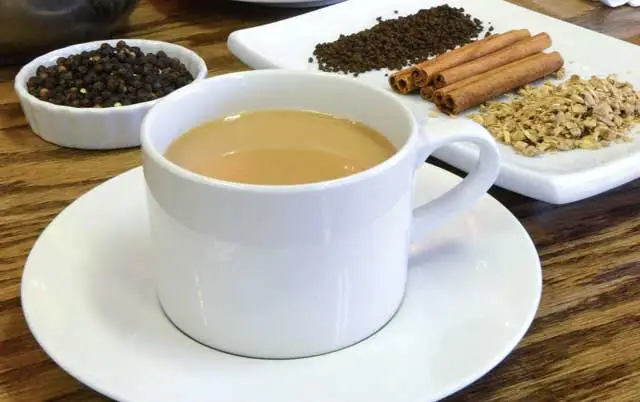
Homemade Masala Chai is more than just a beverage; it is an emotion deeply rooted in everyday life across India. From early mornings to late evening conversations, this spiced tea has a special place in homes, offices, and roadside stalls. The aroma of boiling spices mixed with tea leaves instantly creates a feeling of comfort and familiarity.
Every household prepares masala chai differently, and that personal touch is what makes it special. Some families prefer stronger ginger notes, while others love cardamom-forward flavors. This flexibility allows homemade chai to reflect personal taste and tradition passed down through generations.
Cultural Roots of Homemade Masala Chai
The story of masala chai is closely tied to Indian culture and hospitality. Offering tea to guests is seen as a sign of warmth and respect, making chai an essential part of social interaction. When prepared at home, it becomes a symbol of care rather than just a drink.
Historically, chai evolved as a blend of Ayurvedic spices used for wellness. Over time, tea leaves and milk were introduced, transforming it into the flavorful beverage we enjoy today. This cultural evolution adds authenticity and depth to every cup made at home.
Why Homemade Masala Chai Tastes Better
Making chai at home allows full control over ingredients and brewing time. Unlike ready-made tea mixes, homemade preparation uses fresh spices that release natural oils when boiled. This results in a richer aroma and deeper flavor profile that packaged options cannot replicate.
Another reason homemade chai stands out is freshness. The spices are crushed just before brewing, preserving their natural potency. This freshness elevates the taste while also enhancing the overall sensory experience of drinking chai.
Selecting the Right Spices
The soul of Homemade Masala Chai lies in its spices. Commonly used spices include ginger, cardamom, cinnamon, cloves, and black pepper. Each spice plays a unique role in balancing warmth, sweetness, and subtle heat.
Fresh ginger adds sharpness, cardamom brings sweetness, and cloves provide depth. The key is balance rather than overpowering any single element. Experienced home cooks often adjust spice ratios depending on weather or mood.
Tea Leaves and Milk Choices
The choice of tea leaves significantly impacts the final flavor. Strong black tea varieties like Assam or Darjeeling are preferred because they hold their strength when mixed with milk and spices. Lighter teas may get lost in the spice blend.
Milk selection also matters when preparing chai at home. Full-cream milk provides a rich texture, while toned or plant-based milk creates a lighter cup. Each option changes mouthfeel and taste, allowing customization based on preference.
Brewing Technique Matters
Brewing chai is not rushed; it requires patience and attention. Boiling spices first helps extract essential oils, creating a flavorful base. Tea leaves are added later to prevent bitterness, ensuring a smooth and balanced taste.
Simmering the chai for a few extra minutes allows flavors to blend naturally. This slow process is what gives homemade chai its signature depth. Many experienced chai lovers agree that timing makes all the difference.
Homemade Masala Chai for Daily Wellness
One reason people return to Homemade Masala Chai daily is its comforting effect on the body. Spices like ginger and cloves are known for aiding digestion and boosting immunity. This makes chai both enjoyable and beneficial.
During colder months, chai helps warm the body and soothe sore throats. In warmer seasons, lighter spice combinations can make it refreshing without being heavy. This adaptability adds to its everyday appeal.
Regional Variations Across India
Different regions prepare masala chai with subtle variations. In North India, ginger-forward chai is common, offering strong warmth and spice. Western regions often prefer sweeter notes with extra milk and sugar.
Southern versions may include fewer spices, focusing on tea strength instead. These regional preferences highlight how homemade chai adapts to local tastes while maintaining its comforting essence.
Emotional Connection With Chai
For many people, chai is tied to memories rather than recipes. The sound of boiling milk, the smell of spices, and the first sip often remind people of childhood mornings or evening conversations with family.
Preparing chai for loved ones becomes an act of care. Whether shared during rain or winter evenings, chai creates moments of connection that go beyond taste.
Modern Adaptations at Home
While traditional recipes remain popular, modern kitchens have introduced creative variations. Some people add fennel for sweetness, while others experiment with nutmeg or star anise. These additions keep homemade chai exciting and personalized.
Health-conscious households may reduce sugar or use natural sweeteners. Even with these changes, the core essence of chai remains comforting and familiar.
Serving Homemade Masala Chai
Serving Homemade Masala Chai is as important as brewing it. Clay cups, steel tumblers, or classic ceramic mugs all change the experience slightly. Each serving style brings its own charm and nostalgia.
Chai is often paired with light snacks like biscuits or toast, enhancing its enjoyment. This simple pairing turns an ordinary tea break into a cherished ritual.
Social Media and Chai Culture
In recent years, chai has gained popularity online, with creators sharing their brewing styles and family recipes. Videos showing slow boiling and spice crushing resonate with audiences seeking authenticity.
This digital presence has helped introduce homemade chai to global audiences. Despite modern exposure, the heart of chai remains deeply traditional and home-centered.
Consistency Comes With Practice
Perfecting Homemade Masala Chai takes time and repeated practice. Small adjustments in spice quantity or boiling time gradually help achieve the desired flavor. This learning process makes homemade chai rewarding.
Once mastered, the recipe becomes second nature. Many people prepare chai instinctively without measuring, relying on experience rather than strict instructions.
Chai as a Daily Ritual
Chai often marks transitions in the day, signaling the start of morning or a pause in the evening. This routine creates structure and comfort in daily life. Preparing chai at home strengthens this ritual.
The act of making chai becomes a moment of mindfulness. Even a few quiet minutes spent brewing can offer mental relaxation amid busy schedules.
Passing the Tradition Forward
Homemade chai recipes are often shared across generations. Elders teach younger family members the importance of balance and patience. This shared knowledge keeps traditions alive.
As new generations adapt the recipe, chai continues to evolve while staying rooted in its cultural foundation. This balance of tradition and change defines its lasting appeal.
Trust, Experience, and Authenticity
The credibility of Homemade Masala Chai comes from lived experience rather than commercial branding. People trust home-brewed chai because it reflects authenticity and care.
Food writers, chefs, and nutritionists often highlight homemade chai as a better alternative to artificial mixes. Its natural ingredients and customizable nature support both taste and well-being.
Why Homemade Always Wins
No café version can replace the comfort of chai made at home. The familiarity of flavors, the control over ingredients, and the emotional connection give homemade chai its unmatched value.
Every cup tells a personal story, shaped by hands that prepare it and people who share it. That is why homemade chai remains timeless across generations.
Read also:
daftar menu mie gacoan
gordhan thal menu
menu mixue
harga menu gacoan