

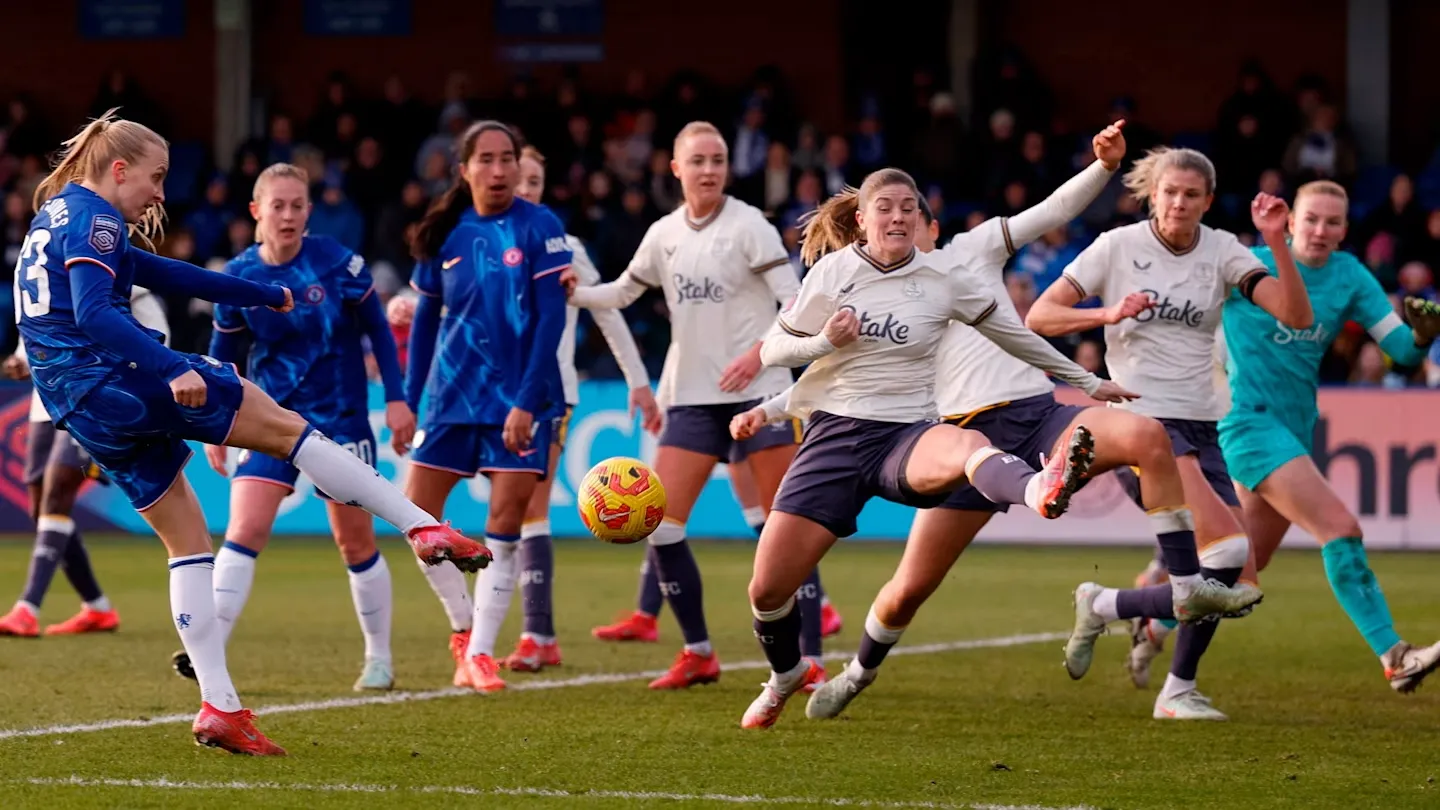
Women’s Football Growth is no longer just a hopeful narrative or a niche interest; it has evolved into a powerful, unstoppable movement that is fundamentally altering the DNA of global sports. If you take a stroll past a local park on a Saturday morning, you are now just as likely to see a group of young girls mimicking the footwork of Sam Kerr or Alexia Putellas as you are to see boys dreaming of becoming the next Messi. This visibility is the result of decades of quiet perseverance and a recent, explosive realization by the world that the female version of the beautiful game is a commercially viable, high-quality product.
The journey to this point has not been easy, as the sport spent much of the 20th century fighting against systemic barriers and outright bans in countries that now pride themselves on their footballing culture. For instance, in England, the FA famously banned women from playing on their members’ pitches in 1921, a move that effectively stifled the game for fifty years. Today, seeing nearly 90,000 fans pack into Wembley Stadium for a women’s international match is more than just a attendance record; it is a profound act of historical reclamation and a testament to the resilience of female athletes.
When we look at the data surrounding recent tournaments, the sheer scale of this expansion becomes undeniable. The 2023 FIFA Women’s World Cup in Australia and New Zealand acted as a global catalyst, shattering viewership records and proving that the appetite for women’s sports is truly international. It wasn’t just the traditional powerhouses like the USA or Germany making headlines; we saw the emergence of nations like Morocco, the Philippines, and Nigeria, who brought a level of passion and tactical discipline that captured the imagination of neutral fans everywhere.
This global interest has trickled down into domestic leagues, which are currently undergoing a professionalization phase that was unimaginable even a decade ago. The English Women’s Super League (WSL), the American NWSL, and Spain’s Liga F are no longer viewed as secondary competitions. They are becoming standalone brands with their own fanbases, broadcast deals, and iconic moments that dominate social media feeds. This professional environment allows players to focus entirely on their craft, leading to a massive spike in the technical quality and speed of the matches we see on television.
The Cultural Impact of Women’s Football Growth
The cultural shift accompanying this growth is perhaps the most significant legacy of the current era. For the first time in history, young girls have a visible, professional pathway that they can aspire to from a very young age. This representation matters because it validates their dreams and provides them with role models who look like them and share their experiences. When a young girl sees a stadium full of people chanting the name of a female player, it changes her perception of what is possible in her own life, regardless of whether she ends up playing professionally or not.
Furthermore, the fan culture surrounding women’s football is notably different from the men’s game, often described as more inclusive, family-friendly, and community-oriented. This “safe space” atmosphere has attracted a diverse demographic of supporters who might have felt alienated by the tribalism and occasionally toxic environments of traditional football stadiums. This unique culture is a key driver of the sport’s sustainability, as it creates a loyal and engaged audience that values the values of the game as much as the scoreline itself.
Professional clubs are also beginning to realize that the women’s team is not just a social responsibility project but a vital part of their global brand. Integrating the men’s and women’s teams under a single identity allows clubs to reach new markets and build deeper connections with their communities. We are seeing more “double-header” matchdays and shared training facilities, which foster a sense of unity and equality that resonates with the modern, socially conscious sports fan who demands better representation across the board.
The impact also extends into the media landscape, where female journalists, commentators, and analysts are increasingly occupying prominent roles. Their perspectives provide a more nuanced and inclusive narrative of the sport, ensuring that the stories of female athletes are told with the depth and respect they deserve. This visibility in the press box is just as important as visibility on the pitch, as it helps to normalize the presence of women in all areas of the footballing industry, from the boardroom to the dugout.
Economic Shifts Powering Women’s Football Growth
The financial architecture of the sport is undergoing a radical transformation as brands and broadcasters wake up to the massive potential of the women’s market. In the past, sponsorship deals for women’s teams were often “bundled” with the men’s team, effectively treating them as a free add-on. Today, we are seeing a shift toward “unbundled” deals, where brands like Nike, Barclays, and Visa are signing multi-million dollar contracts specifically for women’s competitions, recognizing the unique value of the female audience.
Broadcasting rights have become the primary battleground for this economic expansion. While there were significant tensions regarding the valuation of rights for the most recent World Cup, the eventual deals reflected a growing understanding that women’s football is a premium product. The revenue from these deals allows federations to reinvest in grassroots programs, providing the necessary equipment, coaching, and facilities to ensure that the next generation of players has everything they need to succeed at the highest level.
Ticket sales have also seen a massive surge, with major clubs regularly moving their women’s matches from small suburban grounds to their primary stadiums. This move is not just a publicity stunt; it is a response to genuine demand. Selling out venues like the Emirates Stadium or the Camp Nou is a powerful message to advertisers that women’s football is no longer a niche interest but a mainstream attraction capable of drawing massive, paying crowds on a consistent basis.
Professionalization also means better wages and working conditions for the players, which is a fundamental requirement for the long-term health of the game. While the gender pay gap remains a significant issue, the progress made in recent years is historic. Minimum wage requirements, maternity leave policies, and better health insurance are becoming the standard in top leagues. These protections ensure that players don’t have to choose between their careers and their personal lives, allowing them to remain in the sport for longer and reach their full potential.
Investment in data and analytics is another area where the women’s game is rapidly catching up to the men’s. High-performance centers are now using specialized tracking technology to monitor female athletes, recognizing that their physical requirements and injury risks are different from their male counterparts. This scientific approach helps to prevent injuries and optimize performance, ensuring that the standard of play continues to rise as the game becomes faster and more physically demanding with every passing season.
The role of private equity and external investment is also becoming more prominent. In the NWSL, for example, we have seen the valuation of franchises skyrocket as investors realize the “first-mover advantage” of getting into a rapidly growing market. This influx of capital allows for better marketing, better stadiums, and better overall infrastructure, creating a virtuous cycle where investment leads to a better product, which in turn attracts more fans and more revenue for the clubs and the league.
Regional expansion is another critical component of the economic story. While Europe and North America have traditionally led the way, we are seeing massive investment in the women’s game across Asia, Africa, and South America. Federations in countries like Morocco and Saudi Arabia are launching dedicated women’s leagues and investing in youth academies, recognizing that football is a universal language that can drive social and economic progress for women in all parts of the world.
However, the growth must be managed sustainably to avoid the “boom and bust” cycles that have plagued emerging sports in the past. Ensuring that the revenue from the top of the game trickles down to the grassroots is essential. If only the elite clubs are thriving, the competitive balance of the sport will suffer, which eventually leads to a less interesting product for the fans. A balanced ecosystem where every level of the game is supported is the only way to ensure that the current momentum lasts for decades.
As the commercial value of individual players rises, we are also seeing the emergence of the “superstar” athlete who has a massive influence beyond the pitch. Players like Megan Rapinoe or Chloe Kelly are now global icons with their own brand deals and social media followings. Their ability to transcend the sport and influence fashion, politics, and culture is a powerful tool for marketing the game to a wider audience, proving that the female player is a valuable asset in the modern “influencer” economy.
The digital space has played an outsized role in the Women’s Football Growth story. Because traditional media was slow to cover the sport, the women’s football community built its own homes on platforms like YouTube, TikTok, and Instagram. This grassroots digital presence created a direct connection between players and fans, fostering a level of engagement and intimacy that is often missing in the more guarded world of men’s professional football. Today, these digital channels are the primary way many fans consume the sport, bypasssing traditional gatekeepers entirely.
We must also acknowledge the role of the fans who have championed the game during the leaner years. Supporters’ groups have been the lifeblood of the sport, organizing travel to away games, advocating for better facilities, and keeping the pressure on federations to provide equal support. Their dedication is the foundation upon which the current success is built, and their voice remains vital as the sport navigates the complexities of rapid commercialization and global expansion.
Tactically, the game is evolving at a breathtaking pace. Modern women’s teams are highly organized, utilizing sophisticated pressing systems and intricate buildup play that would have been rare just fifteen years ago. This tactical maturity is a direct result of the better coaching and video analysis available to players from a younger age. The game is no longer just about athleticism; it is a high-speed chess match that rewards intelligence, vision, and technical precision under pressure.
Health and safety research specifically tailored to female athletes is finally becoming a priority. For a long time, sports medicine was based almost entirely on male data, leading to a lack of understanding regarding issues like ACL injuries or the impact of the menstrual cycle on performance. Today, there is a concerted effort to close this “gender data gap,” ensuring that female players have the medical support they need to stay on the pitch and perform at their best. This research is a vital part of the professionalization process.
The schedule of the women’s game is also being reconsidered to avoid player burnout. As more competitions are added, the demand on the top players is reaching a critical point. Finding a balance between the need for more matches to drive revenue and the need for rest to protect player health is a challenge that governing bodies like FIFA and UEFA are currently grappling with. A sustainable calendar that prioritizes the welfare of the athletes is essential for the future of the sport.
Looking ahead to the 2027 World Cup and beyond, the sense of anticipation is palpable. Every tournament sets a new benchmark for quality and engagement, pushing the boundaries of what we thought was possible. The “ceiling” for the women’s game has not yet been reached, and the coming years will likely see even more records broken and even more barriers dismantled. The beautiful game is finally becoming a game that truly belongs to everyone, regardless of gender.
The importance of female leadership in the corridors of power cannot be overstated. While we have seen more women appointed to executive roles in federations and clubs, there is still a long way to go to reach true parity. Having women in decision-making positions ensures that the specific needs of the women’s game are always on the agenda and that the sport is developed with a long-term, inclusive vision that benefits everyone involved in the footballing pyramid.
Grassroots participation remains the engine of the entire movement. Ensuring that every girl who wants to play has access to a safe pitch, a qualified coach, and a supportive environment is the most important task for any footballing nation. The Women’s Football Growth we see at the professional level is only possible if the foundation is strong. By investing in the grassroots, we are not just building better players; we are building a healthier, more active, and more inclusive society.
The storytelling of the women’s game is becoming more sophisticated and diverse. We are seeing more documentaries, books, and long-form journalism that dive deep into the lives and careers of the players. These stories provide a window into the dedication and the sacrifice required to reach the top, helping fans to build a deeper emotional connection with the athletes. This emotional bond is the “glue” that keeps fans coming back through the wins and the losses.
As we move forward, the focus must remain on the integrity and the joy of the game. Rapid growth brings many benefits, but it also brings challenges like increased pressure, commercial demands, and the risk of losing the community spirit that made the game so special in the first place. Navigating these challenges will require a collective effort from players, fans, and administrators to ensure that the heart of the sport remains protected even as its global footprint expands.
Ultimately, the story of women’s football is a story of triumph over adversity. It is a story of athletes who refused to take no for an answer and who proved that the beautiful game is even more beautiful when everyone is invited to the party. The momentum is here, the audience is waiting, and the future is bright. The surge we are witnessing today is just the beginning of a new, more inclusive chapter in the history of the world’s favorite sport.
The global community has a responsibility to keep pushing for progress, ensuring that the current growth is not a fleeting moment but a permanent shift in the sporting landscape. By continuing to invest, to watch, and to advocate, we can ensure that the next generation of girls grows up in a world where their athletic ambitions are limited only by their own talent and dedication. The game is changing, and it is changing for the better, one goal and one stadium at a time.
dodgers vs toronto blue jays match player stats
canada men’s national soccer team vs united states men’s national soccer team lineups
toronto blue jays vs dodgers match player stats
golden state warriors vs houston rockets match player stats
los angeles rams vs philadelphia eagles match player stats