

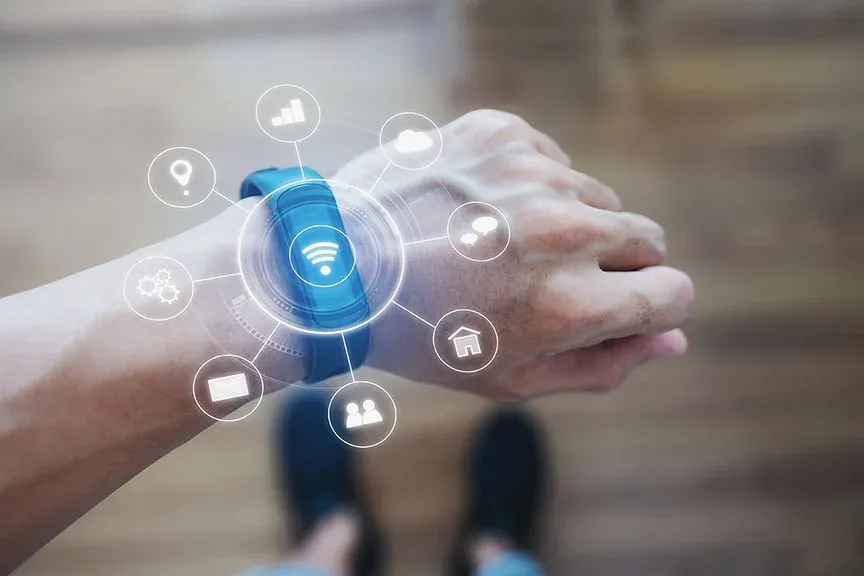
Smart wearables have quietly become part of daily life, blending into routines in ways people never imagined a decade ago. From tracking steps in the morning to monitoring sleep at night, these devices have evolved from trendy gadgets into personal digital companions that shape how individuals work, exercise, and stay healthy.
Imagine waking up to a smartwatch vibrating gently instead of a loud alarm, reminding you about your sleep quality and suggesting how to improve it. Later, your wearable alerts you to stand, hydrate, or relax when stress levels spike. These moments show how technology is becoming more human-centric, focusing on wellness, productivity, and convenience rather than just flashy features.
Understanding Smart Wearables and Their Evolution
Smart wearables refer to electronic devices worn on the body that collect data, provide real-time feedback, and connect seamlessly with smartphones or other digital platforms. Early wearables focused mainly on counting steps or telling time, but today’s versions integrate sensors, AI-driven insights, and cloud connectivity to deliver highly personalized experiences.
The journey of wearable technology started with simple pedometers and digital watches. Over time, tech giants and startups introduced smartwatches, fitness trackers, smart rings, AR glasses, and even smart clothing. Each generation brought better sensors, longer battery life, and smarter algorithms that interpret data meaningfully.
People now expect wearables to do more than measure activity. They want devices that understand their habits, anticipate needs, and help them make healthier and smarter decisions.
Smart wearables in Daily Life and Personal Productivity
Smart wearables are reshaping daily routines by making technology accessible without constant phone use. Professionals rely on smartwatches for notifications, calls, and calendar reminders without breaking focus. Students use wearables to manage schedules and reduce screen time, checking quick alerts on their wrist rather than scrolling endlessly on their phones.
For busy parents, wearable devices help manage fitness goals while staying connected to family notifications. Entrepreneurs and remote workers use wearables to track productivity, set reminders, and monitor stress levels, ensuring they maintain a healthy work-life balance.
These devices also integrate with smart home systems, allowing users to control lights, music, and security with simple gestures or voice commands. This seamless interaction creates a connected ecosystem that saves time and reduces cognitive load.
Smart wearables and Health Monitoring Revolution
Healthcare is one of the most impactful areas where Smart wearables are making a difference. Wearable sensors can measure heart rate, oxygen levels, ECG, sleep cycles, and even detect irregular heart rhythms. This data empowers individuals to take proactive steps toward better health.
Doctors and healthcare providers increasingly use wearable data to monitor patients remotely. For individuals with chronic conditions such as diabetes or hypertension, wearables provide continuous monitoring and alerts that help prevent medical emergencies. Elderly users benefit from fall detection features that can automatically notify caregivers or emergency services.
Real-life stories highlight how wearables have saved lives by detecting abnormal heart rhythms or dangerously low oxygen levels. These examples demonstrate how technology can bridge the gap between personal health awareness and professional medical care.
Smart wearables in Fitness and Lifestyle Transformation
Fitness enthusiasts were among the first adopters of wearable technology. Today, wearables track workouts, calories burned, heart rate zones, and recovery metrics with impressive accuracy. They also provide guided workouts and personalized coaching through companion apps.
For beginners, wearables offer motivation through reminders, achievements, and gamified challenges. Many users share that wearable devices helped them adopt healthier habits, such as walking more, sleeping better, and staying hydrated.
Lifestyle features extend beyond fitness. Smart rings and watches can analyze stress levels, mindfulness sessions, and sleep patterns, offering actionable insights for mental well-being. As mental health awareness grows, wearable technology plays a supportive role in daily self-care.
Smart wearables in Workplace and Industrial Applications
Beyond personal use, Smart wearables are transforming workplaces. In manufacturing and logistics, wearable sensors help workers maintain safety by detecting fatigue, hazardous conditions, or improper posture. Smart helmets and glasses provide augmented reality instructions, improving productivity and reducing errors.
In healthcare settings, nurses and doctors use wearable devices to receive alerts, track patient vitals, and streamline communication. In corporate environments, wearables help employees manage schedules and wellness programs, reducing burnout and increasing efficiency.
These applications show how wearable technology is not just a consumer trend but a powerful tool for enterprise and industrial innovation.
Smart wearables and the Rise of AI-Powered Insights
Artificial intelligence plays a crucial role in the evolution of wearables. Raw data collected by sensors becomes valuable only when interpreted intelligently. AI algorithms analyze patterns in sleep, activity, heart rate, and stress to provide personalized recommendations.
For example, wearables can suggest optimal workout times, recommend sleep adjustments, or detect early signs of illness. Some devices even predict menstrual cycles or provide fertility insights, demonstrating how AI-driven wearables can support diverse health needs.
As AI models improve, wearables will become more predictive and preventive, helping users avoid health issues before they become serious.
Privacy and Security in Smart Wearables
With great power comes great responsibility. Wearable devices collect sensitive personal data, including health metrics and location information. Ensuring privacy and security is essential for user trust.
Manufacturers implement encryption, secure cloud storage, and user-controlled permissions to protect data. However, users must also understand how to manage privacy settings and choose reputable brands with transparent data policies.
Discussions around data ownership and ethical use of wearable data are increasing. Governments and organizations are developing regulations to protect consumers and ensure responsible use of wearable technology.
Smart wearables in Fashion and Design Innovation
Wearables are no longer bulky gadgets; they are fashion statements. Designers collaborate with tech companies to create stylish smartwatches, smart jewelry, and smart clothing that blend seamlessly with everyday outfits.
Customizable watch faces, interchangeable straps, and minimalist designs make wearables appealing to fashion-conscious users. Smart rings and bracelets provide discreet tracking without compromising aesthetics.
The integration of technology into fashion opens new possibilities for self-expression while delivering functional benefits.
Smart wearables and Connectivity Ecosystem
Modern wearables operate within a connected ecosystem that includes smartphones, tablets, smart home devices, and cloud platforms. Bluetooth, Wi-Fi, and cellular connectivity allow wearables to function independently or as extensions of other devices.
Some smartwatches now support standalone calls, messaging, and music streaming without a phone. This independence is especially useful for runners, travelers, and outdoor enthusiasts who prefer lightweight connectivity.
Integration with digital assistants like voice AI enhances usability, allowing users to perform tasks hands-free, from setting reminders to controlling smart home devices.
Smart wearables and Future Technology Trends
The future of Smart wearables looks promising with advancements in sensors, materials, and computing power. Researchers are developing non-invasive glucose monitoring, advanced biometric sensors, and flexible displays that can be integrated into clothing and accessories.
Augmented reality glasses and brain-computer interface wearables are emerging, offering new ways to interact with digital content. These technologies could revolutionize education, gaming, remote work, and healthcare.
Battery technology is also improving, with innovations like solar charging, kinetic energy harvesting, and ultra-low-power chips extending device lifespan.
Smart wearables and User Experience Personalization
Personalization is a key factor driving wearable adoption. Devices learn user preferences over time and adapt notifications, insights, and recommendations accordingly.
For example, wearables can adjust reminder frequency based on user behavior or recommend workouts based on fitness levels. Personalized dashboards and insights make data easy to understand and actionable.
This human-centered approach ensures wearables remain helpful rather than overwhelming, enhancing user engagement and satisfaction.
Smart wearables and Economic Impact
The wearable technology market is expanding rapidly, creating opportunities for manufacturers, developers, healthcare providers, and service industries. Startups innovate with niche wearable solutions for sports, healthcare, and enterprise applications.
Job roles in wearable hardware design, software development, data analytics, and cybersecurity are increasing. Governments and educational institutions are investing in research and training programs to support this growing sector.
Consumers benefit from competitive pricing, improved features, and diverse product options as the market matures.
Smart wearables and Education and Learning
Educational institutions are exploring wearable technology to enhance learning experiences. Smartwatches and AR glasses can deliver interactive content, track student engagement, and support hands-on training.
In medical and engineering education, wearables provide real-time feedback during simulations and practical training. Students can analyze performance metrics and improve skills through data-driven insights.
Wearable technology also supports remote learning by enabling interactive experiences beyond traditional screens.
Smart wearables and Sports Performance Optimization
Athletes use advanced wearables to monitor training load, recovery, and performance metrics. Professional teams analyze wearable data to prevent injuries and optimize training strategies.
Wearables track metrics like VO2 max, heart rate variability, and biomechanics, providing detailed insights into physical performance. Coaches and athletes use this data to make informed decisions about training intensity and recovery periods.
Amateur athletes and fitness enthusiasts benefit from similar features, making professional-level insights accessible to everyone.
Smart wearables and Mental Health Awareness
Mental health is gaining recognition as an essential aspect of overall well-being. Wearables can detect stress patterns through heart rate variability and activity levels, providing alerts and relaxation recommendations.
Guided breathing exercises, mindfulness reminders, and sleep tracking support mental wellness. Some users report improved stress management and better sleep quality after adopting wearable-guided routines.
As mental health technology advances, wearables may play a significant role in early detection and intervention.
Smart wearables and Environmental Sustainability
Sustainability is becoming a priority in wearable manufacturing. Companies are exploring eco-friendly materials, recyclable components, and energy-efficient designs.
Some brands offer trade-in programs and software updates to extend device lifespan, reducing electronic waste. Solar-powered wearables and low-energy chips contribute to sustainable technology practices.
Consumers are increasingly aware of environmental impact and prefer brands that demonstrate responsible manufacturing and recycling initiatives.
Smart wearables and Consumer Adoption Challenges
Despite their benefits, wearables face challenges such as battery limitations, data accuracy concerns, and user fatigue. Some users abandon wearables after initial enthusiasm due to discomfort or overwhelming notifications.
Manufacturers address these challenges by improving ergonomics, enhancing sensor accuracy, and offering customizable notifications. Education and user-friendly interfaces also help increase long-term adoption.
Understanding user needs and delivering meaningful value remains critical for wearable success.
Smart wearables and Cultural Influence
Wearables have become cultural symbols representing modern lifestyles and tech-savvy identities. Influencers, athletes, and celebrities showcase wearables, driving consumer interest and adoption.
Communities form around wearable brands, sharing fitness challenges, achievements, and lifestyle tips. Social features foster motivation and accountability, making health and productivity a shared journey.
Wearables also influence how society perceives health, productivity, and digital connectivity.
Smart wearables and Ethical Considerations
Ethical concerns arise around data ownership, surveillance, and digital dependency. Users must balance convenience with privacy and autonomy.
Companies must ensure transparent data practices and avoid misuse of personal information. Ethical design principles focus on user consent, data security, and responsible AI.
Public awareness and regulatory frameworks will shape the ethical landscape of wearable technology.
Smart wearables and Integration with Healthcare Systems
Healthcare systems are integrating wearable data into electronic health records, enabling continuous monitoring and personalized care. Telemedicine platforms use wearable data to enhance virtual consultations.
Insurance companies explore wearable-based wellness programs that incentivize healthy behavior. While these initiatives offer benefits, they also raise questions about data use and fairness.
Collaboration between tech companies, healthcare providers, and regulators is essential for safe and effective integration.
Smart wearables and The Road Ahead
Smart wearables represent a convergence of technology, health, fashion, and lifestyle. As devices become more intelligent, discreet, and integrated, they will continue shaping how people interact with technology and manage their lives.
From improving personal health to transforming industries, wearable technology is a powerful force driving digital transformation. The journey of wearables is still unfolding, with endless possibilities for innovation and impact.
As society embraces wearable technology, individuals and organizations must focus on responsible use, data security, and human-centered design to unlock the full potential of this transformative technology.
Read also:-
qapoxerfemoz
where to find aapoxerfemoz
dk380c4.0-h8 model size
jheniferffc
photoacopanhete