

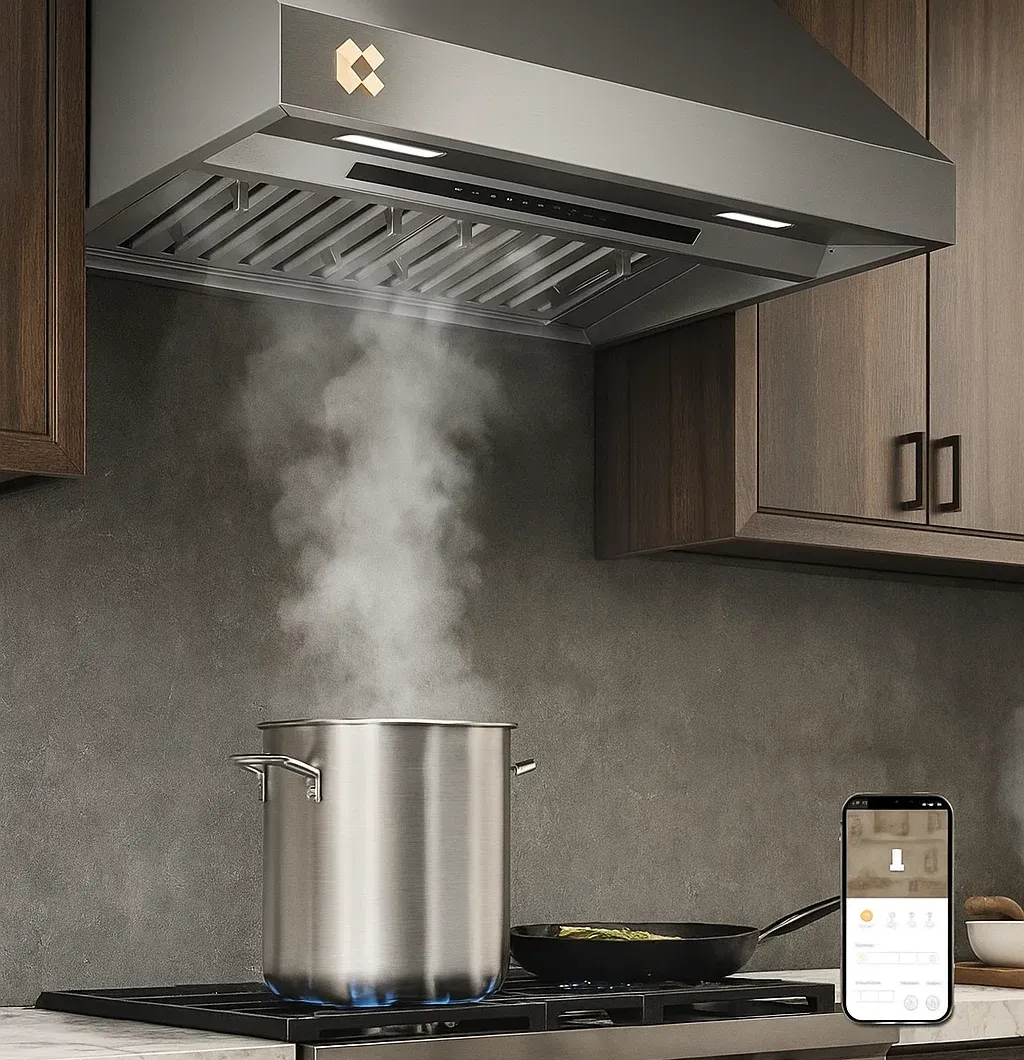
A modern kitchen is more than just a place for cooking—it is a space for creativity, comfort, and family interaction. However, cooking also produces smoke, grease, heat, and odors that can quickly make the environment uncomfortable. This is where range hood inserts become an essential part of kitchen design.
A range hood insert is a built-in ventilation system designed to fit inside a custom hood enclosure or cabinetry. Unlike traditional range hoods that come with a visible exterior, inserts are hidden, offering a sleek and seamless appearance while still delivering powerful ventilation performance.
Whether you are designing a luxury kitchen or upgrading your current setup, understanding range hood inserts can help you make a smarter investment for both functionality and aesthetics.
What Are Range Hood Inserts?
Range hood inserts are internal ventilation units installed inside a custom-built hood shell. They include the motor, fan, filters, and lighting components, but the outer decorative structure is usually provided separately by cabinetry or custom woodwork.
The main purpose of these inserts is to remove airborne grease, smoke, heat, and cooking odors from the kitchen. They are commonly used in high-end kitchens where design continuity is important.
Unlike bulky traditional hoods, range hood inserts are hidden from view, making them a popular choice for homeowners who prefer a clean and minimalistic kitchen look.
How Range Hood Inserts Work
The working mechanism of range hood inserts is relatively simple but highly effective. They operate through three main steps:
-
Air Intake: The insert pulls in contaminated air from the cooking area using a powerful fan system.
-
Filtration: The air passes through filters that trap grease, smoke particles, and odors.
-
Ventilation or Recirculation: Cleaned air is either vented outside through ductwork or recirculated back into the kitchen.
High-quality range hood inserts often come with multiple fan speeds, allowing users to adjust suction power depending on cooking intensity.
Benefits of Range Hood Inserts
There are several reasons why homeowners and designers prefer range hood inserts:
1. Seamless Kitchen Design
One of the biggest advantages is their hidden installation. They allow full customization of the hood design, which blends perfectly with cabinets.
2. Strong Ventilation Power
Despite being concealed, many range hood inserts offer powerful airflow, making them suitable for heavy cooking environments.
3. Flexibility in Design
You can choose any custom hood style—wood, stainless steel, or decorative finishes—while the insert handles the functionality.
4. Improved Air Quality
They effectively remove grease and smoke, improving indoor air quality and reducing kitchen odors.
5. Easy Maintenance
Most models come with removable filters that can be washed or replaced easily.
Types of Range Hood Inserts
When selecting range hood inserts, it is important to understand the different types available:
1. Ducted Inserts
These vent air outside the home through ducts. They are the most efficient option for removing heat, smoke, and odors completely.
2. Ductless Inserts
These use charcoal filters to clean the air before recirculating it back into the kitchen. They are easier to install but slightly less effective than ducted systems.
3. Convertible Inserts
Convertible models can function as either ducted or ductless, offering maximum flexibility depending on your kitchen setup.
Choosing the Right Range Hood Insert
Selecting the right range hood insert depends on several important factors:
1. Kitchen Size
Larger kitchens require more powerful inserts with higher CFM (cubic feet per minute) ratings.
2. Cooking Style
If you frequently cook oily or smoky foods, you need a stronger ventilation system.
3. Noise Level
Look for models with quieter motors if your kitchen is open to living or dining areas.
4. Installation Type
Decide whether you want ducted or ductless installation based on your home structure.
5. Design Compatibility
Make sure the insert fits well inside your custom hood enclosure for proper airflow and aesthetics.
Installation Overview
Installing range hood inserts typically requires professional help, especially if ductwork is involved. However, understanding the process can help you plan better:
-
The insert is mounted inside a custom-built hood frame.
-
Electrical wiring is connected to power the fan and lights.
-
If ducted, ventilation pipes are installed leading outside.
-
Filters and fan settings are tested for performance.
Proper installation ensures maximum efficiency and long-term durability.
Maintenance Tips for Range Hood Inserts
To keep your range hood inserts working efficiently, regular maintenance is essential:
-
Clean grease filters every 2–4 weeks depending on usage.
-
Replace charcoal filters in ductless models as recommended by the manufacturer.
-
Wipe the exterior and interior surfaces regularly to prevent grease buildup.
-
Check the fan motor annually for performance issues.
-
Ensure proper airflow by keeping ducts clean and unobstructed.
Proper care not only improves performance but also extends the lifespan of the unit.
Common Problems and Solutions
Even high-quality range hood inserts may face occasional issues:
1. Weak Suction
This usually happens due to clogged filters. Cleaning or replacing them often solves the problem.
2. Excess Noise
Loose installation or debris in the fan can cause noise. Tightening components and cleaning the fan helps.
3. Odor Retention
In ductless systems, charcoal filters may need replacement if odors persist.
4. Electrical Issues
If the unit does not power on, check wiring or circuit connections.
Range Hood Inserts vs Traditional Range Hoods
While traditional hoods are more visible and easier to install, range hood inserts offer better design flexibility and aesthetic appeal. Traditional models are ideal for basic kitchens, while inserts are better suited for modern or custom-designed kitchens.
Range hood inserts also tend to provide stronger performance when paired with proper duct systems.
Modern Kitchen Trends and Ventilation
Today’s kitchen designs emphasize minimalism, hidden appliances, and smart technology. Range hood inserts fit perfectly into this trend because they remain invisible while delivering high performance.
Interestingly, some homeowners also use a portable range hood. as a temporary or flexible solution in small kitchens, apartments, or outdoor cooking spaces where built-in systems are not practical.
However, for long-term kitchen upgrades, inserts remain the preferred choice due to their durability and integration with cabinetry.
Energy Efficiency and Performance
Modern range hood inserts are designed with energy-efficient motors and LED lighting. This helps reduce electricity consumption while maintaining strong airflow performance.
Some models also come with sensor-based controls that automatically adjust fan speed based on heat or smoke levels, improving both convenience and efficiency.
Final Thoughts
Range hood inserts are an excellent solution for homeowners who want a combination of strong kitchen ventilation and elegant design. They offer powerful air cleaning capabilities while remaining hidden inside custom cabinetry, making them ideal for modern kitchen aesthetics.
From ducted systems for maximum efficiency to ductless options for flexible installation, there is a wide variety of choices available depending on your needs.
With proper selection, installation, and maintenance, range hood inserts can significantly improve air quality, cooking comfort, and overall kitchen experience for years to come.