

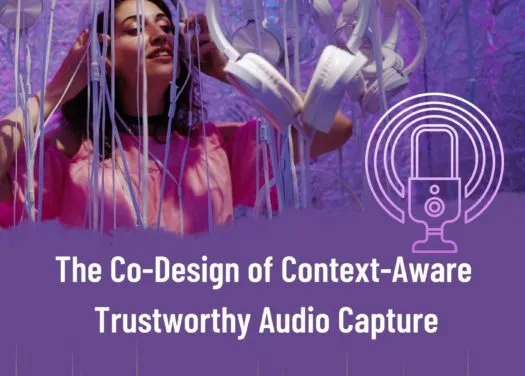
AI Sound Optimization is fundamentally changing the way we interact with our digital and physical environments by turning chaotic noise into crystal-clear experiences. Imagine sitting in a bustling metropolitan coffee shop with the clinking of porcelain and the hiss of espresso machines echoing all around you. You have an important video call in five minutes, and the environment is anything but professional. In the past, this would have been a disaster for your audio quality, but today, advanced algorithms can instantly isolate your voice and suppress every other frequency. This leap in technology is not just about making things louder; it is about making them smarter through machine learning and real-time spectral analysis.
The journey of sound technology has moved from the era of simple mechanical amplification to the sophisticated world of digital signal processing. We are no longer limited by the physical size of a speaker or the acoustics of a room because software can now compensate for environmental flaws. This transition represents a significant milestone in digital literacy and consumer technology. When we talk about optimizing sound, we are looking at the marriage of high-level mathematics and human psychoacoustics. It is about understanding how our ears perceive frequency and using artificial intelligence to mimic—and then improve—that natural process.
Many people use this technology every day without even realizing it, perhaps while wearing their favorite pair of noise-canceling headphones or using a modern smartphone. These devices are constantly listening and adapting to the world around them to provide a consistent listening experience. The complexity behind these systems is staggering, involving neural networks trained on millions of hours of audio samples to distinguish between a human voice and a barking dog. This level of expertise in engineering ensures that the end user enjoys a seamless experience that feels entirely natural.
Trustworthiness in the audio industry is built on the consistency of the output, and that is where artificial intelligence shines the brightest. Unlike traditional equalizers that apply static changes to an audio signal, these modern systems are dynamic and responsive. They can detect a sudden gust of wind or a door slamming and adjust the output in milliseconds to protect the listener’s hearing. This proactive approach to audio management is what separates standard equipment from high-fidelity, intelligent sound systems that prioritize both quality and safety.
How AI Sound Optimization Redefines the Listening Experience
The application of AI Sound Optimization has opened doors for content creators who previously struggled with poor recording environments. Think about the rising popularity of “on-the-go” podcasting or street interviews where the background noise is unpredictable. In the traditional workflow, an editor would spend hours manually scrubbing through frequencies to remove hums or sirens. Today, a single AI-driven plugin can analyze the vocal track, reconstruct missing frequencies, and deliver a studio-quality result in a fraction of the time. This efficiency is a game-changer for the creative economy.
The secret lies in the way neural networks handle spectral data, treating sound as a complex landscape rather than a simple wave. By breaking down audio into thousands of tiny components, the AI can identify which parts belong to the primary signal and which are unwanted artifacts. This process, often referred to as de-noising or speech enhancement, is incredibly difficult for traditional software to achieve without making the voice sound robotic. However, because the AI is trained on actual human speech patterns, it knows how a voice should sound and can fill in the gaps with remarkable accuracy.
In the world of professional cinema and home theaters, this technology is being used to solve the age-old problem of muffled dialogue. We have all experienced that frustrating moment during an action movie where the explosions are deafeningly loud, but the whispers are impossible to hear. Intelligent sound systems can now analyze the audio stream in real-time, identifying dialogue frequencies and boosting them independently of the surrounding sound effects. This creates a balanced soundstage that respects the director’s vision while ensuring the audience never misses a word.
This level of optimization is also making its way into the automotive industry, where road noise and wind have always been the enemies of high-quality audio. Car manufacturers are now integrating microphones throughout the cabin to monitor the acoustic environment constantly. The AI Sound Optimization system then generates “anti-noise” through the car’s speakers to cancel out low-frequency road rumble. This results in a cabin that feels much quieter and more premium, allowing for better music appreciation and clearer hands-free phone calls while driving at highway speeds.
The Role of Intelligence in Acoustic Room Correction
One of the most impressive feats of modern audio engineering is the ability to fix a “bad room” through software. Every room has its own unique acoustic signature, influenced by the height of the ceiling, the material of the floors, and even the placement of furniture. These physical factors can cause certain frequencies to build up and become boomy or cause others to disappear entirely. For a long time, the only solution was to install expensive acoustic foam and bass traps, but AI is providing a much more accessible alternative.
Using a simple microphone, these systems can play a series of “sweep” tones to map the room’s response. The artificial intelligence then analyzes the results and creates a custom correction filter that adjusts the output of the speakers to compensate for the room’s flaws. It is like having a professional acoustic consultant living inside your soundbar or receiver. This ensures that whether you are in a small, carpeted bedroom or a large, glass-walled living room, the music sounds exactly as the artist intended it to sound in the studio.
This technology is also vital for the burgeoning field of spatial audio and virtual reality. To create a truly immersive environment, the sound must change as you move your head or walk through a virtual space. AI can calculate the complex reflections and “head-related transfer functions” needed to trick your brain into thinking a sound is coming from behind you or above you. This level of precision requires immense processing power and sophisticated algorithms that can predict how sound waves will interact with the human anatomy.
Beyond entertainment, this has massive implications for public safety and emergency services. In large transit hubs like airports or train stations, announcements are often garbled by the echoes of the massive halls. By using intelligent room correction and adaptive equalization, these hubs can ensure that emergency announcements are intelligible to everyone, regardless of where they are standing. This is a perfect example of how optimizing sound can have a direct impact on the welfare and security of the general public.
Enhancing Accessibility and Hearing Health
Perhaps the most noble application of AI Sound Optimization is found in the latest generation of hearing aids and assistive listening devices. For individuals with hearing loss, the biggest challenge is often the “cocktail party effect”—the inability to focus on a single conversation in a noisy room. Traditional hearing aids simply amplified everything, which often made the noise even more overwhelming. Modern AI-powered hearing aids, however, can distinguish between voices and background noise, focusing on the person standing directly in front of the user.
These devices can also learn from the user’s preferences over time. If a user consistently turns up the volume in a specific location, like their local church or a favorite restaurant, the AI remembers those coordinates and automatically adjusts the settings the next time they arrive. This personalized approach to hearing health is significantly improving the quality of life for millions of people. It allows them to stay socially engaged and confident in environments that they might have previously avoided due to their hearing limitations.
There is also a growing focus on preventing hearing damage before it starts. Many modern smartphones now include features that monitor the volume levels of your headphones and warn you if you are exceeding safe limits. Some systems go a step further by analyzing the “loudness” of a track rather than just the volume, ensuring that the listener gets a consistent experience without sudden, ear-piercing peaks. This proactive management of hearing health is essential in an era where we spend so many hours a day with earbuds in our ears.
The expertise involved in developing these medical-grade audio systems is a testament to the interdisciplinary nature of modern technology. It requires a deep understanding of audiology, signal processing, and user experience design. By placing the needs of the human ear at the center of the development process, engineers are creating tools that are not just functional, but life-changing. This commitment to accessibility is a hallmark of a mature and responsible tech industry that values inclusivity as much as innovation.
Gaming and the Competitive Advantage of Optimized Sound
In the world of competitive e-sports, audio is often just as important as visual clarity. Gamers rely on “audio cues” to understand where their opponents are and what they are doing. A slight footstep behind a wall or the sound of a weapon being reloaded can be the difference between winning and losing. AI Sound Optimization is being used to enhance these specific frequencies, making them stand out from the cinematic background music and explosions of the game.
This is often achieved through advanced 3D audio processing, which creates a spherical sound field around the player. By using AI to simulate the way sound bounces off virtual walls and floors, developers can give players a much more accurate sense of distance and direction. This level of immersion is not just about making the game more fun; it is about providing a strategic advantage. It allows players to react faster and make more informed decisions based on the information they are receiving through their headsets.
Moreover, the communication between teammates in gaming is often marred by keyboard clicks, fan noise, and heavy breathing. Many gaming platforms now integrate AI-based noise suppression as a standard feature. This ensures that the only thing being transmitted over the voice channel is clear, intelligible speech. This reduces the cognitive load on the players, allowing them to focus entirely on the game rather than struggling to understand their teammates’ instructions.
The hardware side of gaming is also seeing a shift toward intelligence. Many high-end gaming headsets now come with dedicated processors that handle the sound optimization locally, reducing the load on the computer’s CPU. This ensures that there is zero latency in the audio, which is crucial for fast-paced competitive play. The marriage of powerful hardware and smart software is creating an era of “intelligent audio” that is setting new standards for the entire entertainment industry.
The Evolution of Music Production and Mastering
Music producers have always been the gatekeepers of sound quality, spending years perfecting their ears to hear the tiniest imperfections in a recording. While the human ear will always be the final judge of art, AI is becoming an incredibly powerful assistant in the studio. During the recording phase, AI can help identify “phase issues” or frequency clashes between different instruments that might go unnoticed until the mixing stage. This allows engineers to fix problems at the source, leading to a much cleaner final product.
Mastering, which is the final step of preparing a song for release, has traditionally been a highly specialized and expensive process. Today, AI-driven mastering platforms can analyze a track and apply the necessary compression, EQ, and limiting to make it sound professional and consistent across all playback devices. While some purists argue that AI lacks the “soul” of a human engineer, there is no denying that it has made high-quality mastering accessible to independent artists who might not have the budget for a traditional studio.
The creative potential of AI in sound is also expanding into the realm of generative audio. Some systems can now generate realistic background atmospheres or even suggest melodic ideas based on the existing elements of a track. This is not about replacing the artist, but about providing them with a new set of tools to explore. It allows for a more experimental and fluid creative process, where the technology handles the technical heavy lifting while the human focuses on the emotional and artistic direction.
Trustworthiness in music production is about preserving the integrity of the performance. The best AI Sound Optimization tools are those that are invisible to the listener. They shouldn’t sound like a “filter” has been applied; they should simply sound like the best possible version of the original recording. This requires a level of subtlety and nuance that only the most advanced machine learning models can achieve. By respecting the dynamics and the “air” of a recording, these tools are helping to preserve the human element in an increasingly digital world.
The Science of Psychoacoustics and Artificial Intelligence
To truly understand how we optimize sound, we have to look at the science of psychoacoustics—the study of how humans perceive sound. Our brains are incredibly good at filtering out background noise and focusing on what matters, but this requires a lot of mental energy. When we are in a noisy environment, we often feel tired because our brains are working overtime to process the audio. AI can help reduce this cognitive load by doing the filtering for us before the sound even reaches our ears.
This is particularly important in professional environments like call centers or open-plan offices. Constant background noise has been proven to decrease productivity and increase stress levels. By using intelligent headsets that provide “active silence” and voice enhancement, companies can create a much more comfortable and productive environment for their employees. It is a subtle but powerful way to improve the quality of daily life through technology.
The AI models used in sound optimization are often designed to mimic the human auditory system. They use “cochlear models” to process audio in a way that is similar to how the inner ear functions. This allows the AI to prioritize the frequencies that are most important for speech intelligibility and emotional connection. By aligning the technology with our natural biology, we can create a much more pleasant and natural listening experience. It is the ultimate example of bio-mimicry in the digital age.
Furthermore, these systems can adapt to the specific hearing profile of the individual. As we age, we often lose the ability to hear high-frequency sounds. An intelligent audio system can compensate for this by subtly boosting those frequencies for the specific listener, without affecting the sound for anyone else. This personalized approach to audio is the future of consumer electronics, moving away from a “one-size-fits-all” model to a “one-size-fits-you” philosophy.
Smart Cities and the Management of Urban Noise
As the world becomes more urbanized, noise pollution is becoming a major public health concern. Chronic exposure to loud city noises like traffic, sirens, and construction has been linked to heart disease, sleep disorders, and high blood pressure. City planners and engineers are now looking to AI to help manage the “soundscape” of our cities. This involves using a network of sensors to monitor noise levels in real-time and identifying the primary sources of pollution.
By using the data gathered from these sensors, cities can implement smarter traffic management systems or design buildings that act as acoustic shields for public parks and residential areas. Some cities are even experimenting with “active noise cancellation” on a massive scale, using specialized materials and speaker arrays to create quiet zones in busy urban centers. This is an ambitious use of technology that aims to make our cities more livable and sustainable.
In the future, our smartphones might alert us to high noise levels in our environment, suggesting a quieter route or reminding us to put in our earplugs. This integration of personal and urban data will create a more holistic approach to health and well-being. By treating sound as a vital part of our environment that needs to be managed and optimized, we can create spaces that are not just quieter, but more harmonious.
The expertise needed to manage urban noise is a blend of civil engineering, data science, and acoustic physics. It requires a long-term vision and a commitment to the welfare of the citizens. By investing in intelligent sound management, cities can improve the quality of life for everyone, reducing stress and fostering a sense of community. It is a silent but essential part of the smart city movement that will define the urban experience in the decades to come.
The Future of Real-Time Translation and Audio Synthesis
The most futuristic application of this technology is the integration of real-time translation with voice synthesis. We are quickly approaching a world where you can speak to someone in another language and have your voice translated and synthesized in their language, in your own voice, in real-time. This requires a massive amount of AI sound optimization to ensure that the tone, the emotion, and the nuances of the original speech are preserved through the translation process.
This has the potential to break down the final barriers between different cultures and facilitate a level of global collaboration that was previously impossible. Imagine a medical expert in Japan giving a live, interactive lecture to students in Brazil, with everyone communicating naturally in their own tongue. This is the ultimate goal of the digital communication revolution, and it is being made possible by the incredible advances in audio AI.
Voice synthesis is also becoming an essential tool for those who have lost their ability to speak due to illness or injury. By analyzing old recordings of the person’s voice, AI can create a digital “voice clone” that they can control through eye-tracking or other assistive technologies. This allows them to maintain their identity and communicate with their loved ones in a way that feels personal and human. It is a powerful example of how technology can restore what has been lost.
As we move forward, the line between “real” and “synthetic” sound will continue to blur. This brings up important questions about trust and ethics, which the industry must address. Ensuring that AI is used to enhance human communication rather than deceive is a vital part of the ongoing conversation. By building transparency and accountability into the heart of these systems, we can ensure that the future of sound is as trustworthy as it is impressive.
The journey of sound optimization is far from over. As our processing power increases and our algorithms become more sophisticated, we will continue to find new ways to improve the way we hear the world. Whether it is through a pair of tiny earbuds, a home theater system, or the streets of a smart city, the goal remains the same: to create a clear, balanced, and healthy audio environment for everyone. The sound of the future is not just louder; it is smarter, more personalized, and infinitely more human.