

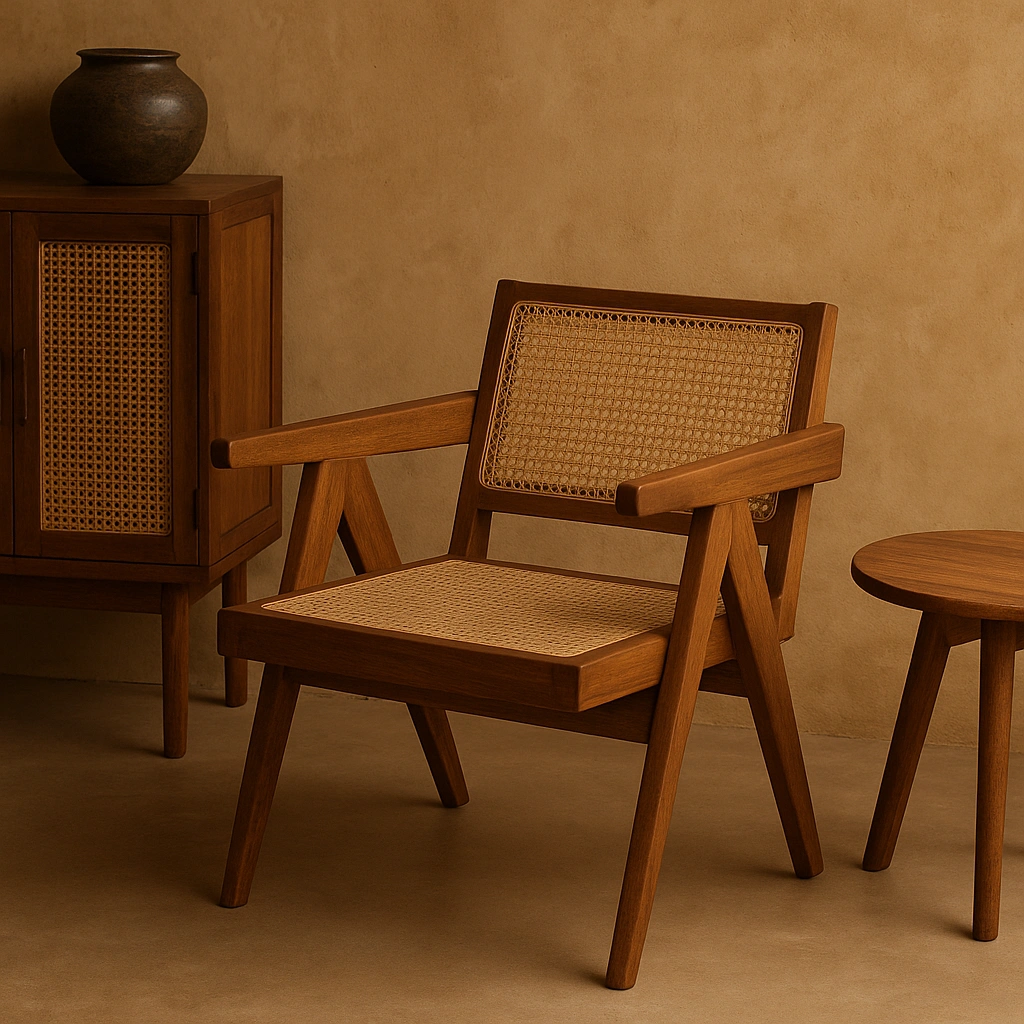
In a remote corner of India’s Northeast, amid the emerald hills of Nagaland, a quiet revolution in design is taking place. One that is not loud or driven by algorithms, but rooted deeply in tradition, craftsmanship, and community. A furniture brand born here isn’t just creating beautiful objects—it’s weaving the stories of its people into every curve, grain, and texture.
This Naga furniture brand, little known to the wider market just a few years ago, is now being celebrated by design enthusiasts and conscious consumers alike. It doesn’t mass-produce, nor does it chase fast trends. Instead, it honors the time-tested practices of handmade excellence, sustainable living, and social responsibility—redefining what luxury and purpose mean in the world of interior design.
A Brand Born in the Hills, Forged by Heritage
Nagaland is a land of vibrant tribal cultures, each with its own dialect, textiles, festivals, and woodworking styles. Passed down through generations, woodcarving and bamboo craft have been an integral part of the Naga identity. From intricately carved Morungs (tribal youth dormitories) to hand-hewn tools, the region’s artistry is a testament to the skill of its makers.
Recognizing the untapped potential of this artistry, a group of local designers and social entrepreneurs launched a homegrown furniture label—rooted in Naga culture, but reimagined for contemporary homes.
What sets this brand apart is its commitment to ethical design and collaborative craft. Every piece is made using locally sourced wood—like teak, walnut, and indigenous species—crafted by Naga artisans who infuse their tribal aesthetics, symbols, and philosophies into modern forms.
Furniture With a Soul: Where Every Piece Tells a Story
In a market saturated with flat-pack furniture and synthetic replicas, this Naga brand offers a refreshing alternative: furniture that breathes, ages, and evolves with time.
Each table, chair, or cabinet reflects a fusion of tradition and modernity. You’ll see hand-chiseled motifs inspired by ancestral tattoos, armrests that echo the curves of tribal horns, or stools shaped like ceremonial drums.
Yet the beauty lies not only in design, but in meaning.
-
A center table made from reclaimed wood tells a story of environmental resilience.
-
A rocking chair carved by a Konyak elder reflects years of tribal legacy.
-
A sideboard with cane panels showcases the sustainable practices of local forest communities.
Nothing here is machine-made or rushed. Each item is a labor of love, taking weeks or even months to complete.
Empowering Communities, One Chair at a Time
The founders of this Naga furniture brand were clear from the start: they weren’t just building a business—they were creating livelihoods.
In many tribal areas, especially after years of political unrest and economic isolation, young people were migrating in search of work. This brand reversed that trend.
They set up artisan hubs in villages, provided skill training, and created a fair-wage model that ensures craftspeople are paid well above industry standards. Women, who were traditionally not part of woodworking, are also being trained and included in design, weaving, and finishing.
The impact is profound:
-
Over 150 artisans employed directly and many more supported through raw material sourcing.
-
Traditional skills revived, with master craftsmen mentoring the next generation.
-
Local pride restored, as communities see their heritage celebrated globally.
Sustainable From Forest to Finish
At a time when climate consciousness is no longer optional, this brand is pioneering regenerative design practices.
✅ Locally harvested timber, with strict adherence to eco-forestry norms
✅ Natural finishes, using linseed oil and beeswax instead of toxic lacquers
✅ Low-waste production, with offcuts reused for accessories or fuel
✅ Carbon-neutral packaging, using biodegradable materials and recycled jute
Even the logistics are rethought—products are shipped in batches to minimize emissions, and customers are encouraged to “buy less, but better.”
Bridging Tradition and the Modern Market
How does a hyper-local brand from Nagaland connect with the global design community?
Through storytelling, digital presence, and authenticity.
Their Instagram feed is a blend of behind-the-scenes glimpses of rural workshops, slow-motion videos of wood being sculpted, and finished pieces in urban settings. The brand also hosts pop-up exhibitions in Delhi, Bangalore, and Mumbai, allowing people to see, touch, and experience the furniture firsthand.
They’ve been featured in publications like Architectural Digest, Elle Decor India, and Platform Magazine, and now collaborate with eco-conscious interior designers across the country.
Their online store ships pan-India, and the brand is preparing for its first international showcase at a sustainable design expo in Europe.
A Movement, Not Just a Brand
What began as a modest social enterprise is now part of something bigger—a revival of indigenous design in India.
While most urban consumers were once drawn to Scandinavian minimalism or mid-century modern, there’s a growing desire to bring local, rooted aesthetics into living spaces. This Naga brand delivers exactly that—furniture that’s not only beautiful but deeply meaningful and personal.
It invites people to reflect:
Who made this chair?
Where did the wood come from?
What culture does it represent?
And that’s where it transcends commerce—it becomes a cultural bridge.
Real People, Real Impact
Meet Apila, a young Naga woman who joined as an apprentice two years ago. Today, she leads a team of female artisans in Mokokchung, crafting woven panels and developing her own line of wall décor under the brand’s mentorship program.
And Thungdemo, a master carver in his 70s, whose tribal motifs now feature in custom orders for eco-resorts and boutique hotels. “I never thought people outside my village would want what I’ve made with my hands,” he says with quiet pride.
Their stories are not just side notes—they are the foundation on which this brand stands.
Why This Brand Matters Now More Than Ever
In an age where everything feels mass-produced and fleeting, this Naga furniture brand offers:
✅ Authenticity over imitation
✅ Purpose over profit
✅ Community over competition
It’s a call to slow down, to appreciate heritage, and to choose designs that enrich not just your home—but also the lives of those who make them.
Final Thoughts
This Naga furniture brand is not just creating furniture—it’s creating a movement. One that respects the past while innovating for the future. One that empowers artisans while delighting customers. One that makes craft not a relic, but a relevant and thriving force.
So, the next time you look for a new addition to your home, ask yourself:
Do I want another generic item, or do I want a piece of culture, community, and craft?
If your answer is the latter, this Naga brand is where you’ll find it.
FAQs
Q1: Can I buy this Naga furniture online?
Yes, the brand has an official website that offers nationwide shipping and customization options. They also participate in select design expos and pop-ups.
Q2: Are the materials used sustainable?
Absolutely. The brand uses ethically sourced local wood, natural finishes, and eco-conscious packaging with minimal environmental footprint.
Q3: Is the furniture customizable?
Yes. Most designs can be customized in terms of size, wood type, and finishing to match your space and preferences.
Read More: