

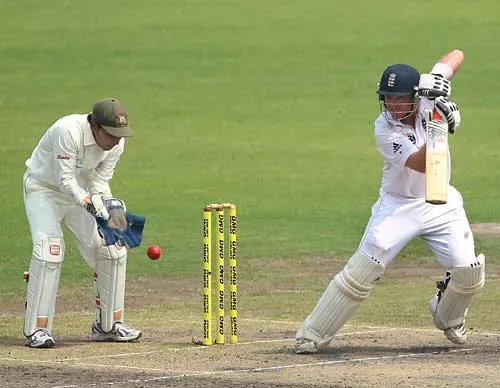
Test cricket batting average leaders represent the purest form of batting excellence in the longest format of the game. In a sport where patience, temperament, and technical precision are constantly tested, maintaining a high average over years of competition is a remarkable achievement.
Unlike T20 strike rates or ODI milestones, a Test batting average reflects sustained performance against the toughest conditions. From swinging English mornings to spinning Indian afternoons and bouncy Australian tracks, these numbers tell the story of resilience.
When fans debate greatness, the discussion often begins with Test cricket batting average leaders because consistency across decades defines true legends.
Why Batting Average Matters in Test Cricket
Batting average in Test cricket is calculated by dividing total runs scored by the number of times a batter has been dismissed. It sounds simple, but achieving a high average over a long career is incredibly difficult.
A single low-scoring series can reduce an average significantly. Facing elite bowlers across different eras requires constant adaptation.
Test cricket batting average leaders have mastered the art of minimizing mistakes. They value their wicket as much as their runs.
The metric rewards patience and punishes recklessness, making it one of cricket’s most respected benchmarks.
The Benchmark: Sir Donald Bradman
No conversation about Test cricket batting average leaders can begin without Don Bradman.
Bradman’s average of 99.94 remains the highest in Test history. Even decades later, it feels almost mythical.
He played 52 Tests between 1928 and 1948, scoring 6,996 runs. His ability to dominate bowlers consistently set a standard no one has come close to matching.
Bradman’s precision footwork, quick reflexes, and mental focus made him a statistical phenomenon.
To this day, his record stands as the ultimate benchmark for batting excellence.
Modern-Day Test Cricket Batting Average Leaders
While Bradman’s record seems untouchable, several modern players have achieved extraordinary averages.
Kane Williamson has consistently maintained an impressive average above 50, demonstrating calmness and technical excellence.
Joe Root continues to climb run charts with consistent performances in challenging conditions.
Steve Smith has been one of the standout Test cricket batting average leaders of the modern era, often averaging above 60 during peak years.
These players have proven that excellence is still achievable in an era of intense competition and packed schedules.
Test Cricket Batting Average Leaders Across Eras
Comparing players across different generations is always challenging.
Early cricketers faced uncovered pitches and limited protective gear. Modern batters deal with advanced bowling analytics and high-speed attacks.
Yet Test cricket batting average leaders emerge in every era.
Jacques Kallis combined consistency with all-round brilliance, maintaining a high average across 166 Tests.
Kumar Sangakkara blended elegance and reliability, finishing with an outstanding career average.
Each era presents unique obstacles, but the essence of great batting remains unchanged.
Minimum Matches and Qualification Criteria
To be considered among official Test cricket batting average leaders, players must meet minimum innings criteria.
Short careers with high averages do not carry the same weight as long-term performance.
Sustaining a high average over 100 innings requires physical endurance and mental resilience.
Longevity distinguishes genuine legends from brief statistical anomalies.
This ensures fairness when ranking players historically.
The Role of Conditions in Maintaining a High Average
Test cricket is played across diverse environments.
English conditions favor swing bowling. Australian pitches offer bounce and pace. Subcontinental surfaces assist spin.
Test cricket batting average leaders demonstrate adaptability.
They adjust techniques based on pitch behavior and weather conditions.
Mastering footwork against spin or leaving deliveries outside off stump in seaming conditions defines elite performers.
Adaptability often separates high averages from fluctuating careers.
Pressure Situations and Match Context
Not all runs are equal.
Scoring 150 in a dead rubber differs from a century in a series decider.
Test cricket batting average leaders often shine in high-pressure scenarios.
Match-saving innings in the fourth innings carry immense value.
These performances elevate averages while also strengthening reputations.
Fans remember the context behind the numbers.
Statistical Trends in the Modern Game
Modern Test cricket sees faster scoring rates.
Aggressive batting approaches sometimes increase risk.
Yet players like Marnus Labuschagne have balanced aggression with discipline, maintaining impressive averages.
Technology also influences performance.
Video analysis allows batters to correct flaws quickly.
Advanced data helps them prepare for specific bowlers.
Despite tougher scrutiny, Test cricket batting average leaders continue to emerge.
Mental Strength and Concentration
Batting for hours requires intense concentration.
One lapse can end an innings abruptly.
Test cricket batting average leaders develop routines to maintain focus.
They break long innings into smaller targets.
Some focus on playing session by session rather than chasing milestones.
Mental conditioning plays a crucial role in sustaining high averages over time.
The Influence of Team Strategy
Team roles can influence individual averages.
An aggressive opener may sacrifice personal statistics for quick starts.
Middle-order anchors often accumulate higher averages due to stable batting positions.
Test cricket batting average leaders often bat in positions that balance risk and responsibility.
However, true greatness transcends batting order.
Legends adapt to team needs without compromising consistency.
EEAT Perspective on Statistical Accuracy
Discussing Test cricket batting average leaders requires accurate data from credible sources.
Statistics should align with official records maintained by the International Cricket Council and national cricket boards.
Transparency enhances trustworthiness.
Providing historical context demonstrates expertise.
Balanced analysis strengthens authority, especially when comparing players across eras.
Reliable reporting ensures readers receive factual insights rather than exaggerated claims.
Emerging Players and Future Leaders
Young talents aim to join the elite list of Test cricket batting average leaders.
Players like Babar Azam and Harry Brook have shown promising early numbers.
Maintaining form over a decade will determine whether they secure lasting positions among leaders.
Cricket history shows that consistency, not explosive beginnings, defines legacy.
Fans closely monitor averages season after season, watching potential legends evolve.
Cultural Impact of High Averages
In cricket-loving nations, averages become part of everyday conversation.
School children memorize statistics of Test cricket batting average leaders.
Media debates revolve around comparing modern stars to historical icons.
These numbers influence Hall of Fame discussions and legacy rankings.
High averages symbolize excellence, inspiring aspiring cricketers worldwide.
Balancing Strike Rate and Stability
Modern audiences appreciate aggressive batting.
However, in Tests, survival remains critical.
Test cricket batting average leaders strike a balance.
They score at a healthy pace while preserving their wicket.
Patience does not mean passivity.
Great batters know when to defend and when to attack.
This strategic balance sustains high averages over long careers.
Test cricket batting average leaders continue to define the gold standard of batting excellence, reminding cricket fans that patience, adaptability, and unwavering focus remain the foundations of greatness in the longest format.
Read also:-
bangladesh west indies
australian men’s cricket team vs pakistan national cricket team match scorecard
australian men’s cricket team vs south africa national cricket team
india national cricket team vs south africa national cricket team stats