

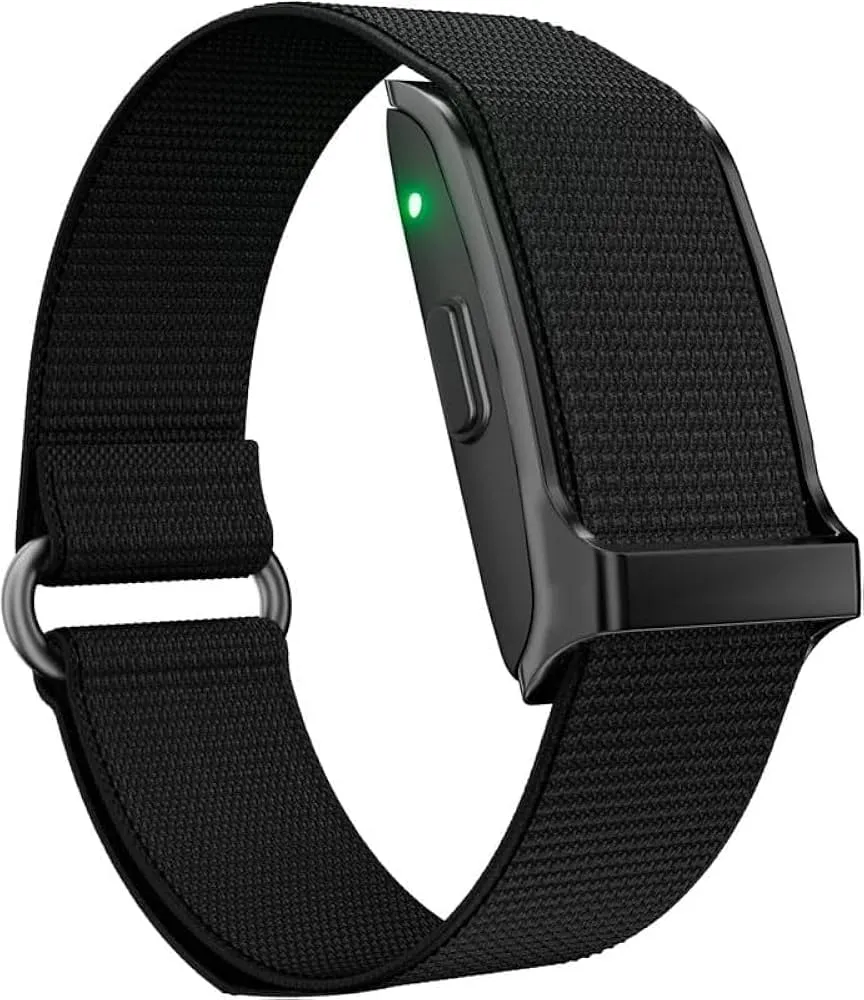
Smart wearable health trackers have quietly become one of the most transformative tools in modern healthcare, blending technology with everyday life in a way that feels both natural and empowering. Just a few years ago, tracking your heart rate or sleep cycles required expensive medical equipment. Today, it sits comfortably on your wrist.
Imagine waking up and instantly knowing how well you slept, how ready your body is for a workout, and whether your stress levels were elevated overnight. That’s not science fiction anymore. It’s daily life for millions of users who rely on smart wearable technology to stay informed and proactive about their well-being.
As someone who has tested multiple devices over the past five years and followed advancements in digital health closely, I’ve seen firsthand how these tools have evolved. What started as simple step counters are now intelligent companions offering deep health insights backed by medical research and AI-powered analytics.
Let’s explore how these devices work, why they matter, and how they are reshaping personal health management.
Table of Contents
ToggleThe Evolution of Smart Wearable Health Trackers
The journey of Smart wearable health trackers began with basic pedometers that simply counted steps. Over time, brands like Fitbit and Apple changed the landscape by introducing devices capable of tracking heart rate, calories burned, and sleep patterns.
The launch of the Apple Watch brought health tracking into the mainstream. Suddenly, people weren’t just counting steps; they were monitoring ECG readings and blood oxygen levels. Meanwhile, Garmin focused on performance-driven metrics for athletes, while Samsung expanded wearable health tracking within the Android ecosystem.
Today’s devices incorporate advanced sensors, machine learning algorithms, and even FDA-cleared health features in some regions. The shift from fitness accessory to health essential has been remarkable.
How Smart Wearable Health Trackers Actually Work
At their core, these devices rely on biosensors. Optical sensors measure heart rate using photoplethysmography, detecting blood volume changes beneath the skin. Accelerometers track movement, while gyroscopes analyze orientation and motion.
More advanced models include:
Continuous heart rate monitoring
Blood oxygen (SpO2) sensors
Electrocardiogram (ECG) functionality
Skin temperature tracking
Stress level detection via heart rate variability
What makes Smart wearable health trackers powerful is not just data collection but interpretation. Algorithms analyze patterns over time, providing actionable insights instead of raw numbers.
For example, if your resting heart rate gradually increases over several days, your tracker may suggest recovery or reduced activity. This proactive guidance bridges the gap between awareness and action.
Why Smart Wearable Health Trackers Matter in Everyday Life
The true value of Smart wearable health trackers lies in behavioral change. Data alone does nothing. But when presented clearly and consistently, it can shift habits.
Consider someone trying to improve sleep quality. A wearable shows fragmented sleep and high stress before bedtime. Over time, they adjust routines, reduce screen time, and practice breathing exercises. Within weeks, measurable improvement appears.
This feedback loop is powerful.
Many healthcare professionals now acknowledge the benefits of wearables in preventive care. Patients bring sleep reports, heart rate logs, and activity summaries to appointments. Doctors gain a broader view of lifestyle patterns between visits.
In a world where lifestyle diseases are rising, prevention matters more than ever.
Smart Wearable Health Trackers and Heart Health
Cardiovascular health is one of the most significant breakthroughs in wearable technology. Devices can detect irregular heart rhythms, alerting users to potential atrial fibrillation.
However, it’s important to maintain perspective. These tools are not replacements for professional diagnosis. They are screening aids. When used responsibly, they enhance awareness without causing unnecessary panic.
The integration of heart rate variability tracking also provides insight into stress and recovery, helping users balance work and rest more effectively.
Fitness Tracking Beyond Step Counting
When people first heard about wearables, they associated them with step goals. Today, the scope is far broader.
Athletes use performance metrics such as VO2 max estimates, recovery scores, training load, and cadence tracking. Casual users rely on guided workouts and movement reminders.
What sets Smart wearable health trackers apart is personalization. Instead of generic fitness advice, devices adapt based on individual data patterns.
For example, if you consistently reach 8,000 steps daily, your tracker might gently nudge you toward 9,000. If your stress levels spike during work hours, it may recommend breathing exercises.
This subtle personalization encourages sustainable change rather than short bursts of motivation.
Sleep Tracking and Recovery Insights
Sleep is one of the most underappreciated pillars of health. Modern wearables track light sleep, deep sleep, REM cycles, and interruptions.
Users often discover surprising patterns. Late-night meals, alcohol consumption, or heavy workouts close to bedtime show measurable effects.
By reviewing trends over weeks instead of isolated nights, people make smarter decisions. They experiment with bedtime routines, adjust room temperature, and reduce caffeine intake.
Sleep tracking also ties into recovery metrics. Athletes especially benefit from understanding when their body is primed for performance and when it needs rest.
The Role of AI in Smart Wearable Health Trackers
Artificial intelligence has elevated wearable technology from passive trackers to intelligent health companions.
Machine learning models analyze vast datasets to identify patterns invisible to the human eye. Over time, your device learns your baseline metrics and flags anomalies.
For example, sudden drops in blood oxygen levels during sleep may signal potential breathing issues. Gradual increases in resting heart rate could indicate illness before symptoms appear.
As AI improves, predictive capabilities are expanding. The future may include early detection of chronic conditions using continuous monitoring.
This shift aligns with preventive healthcare models, where intervention happens before serious complications arise.
Data Privacy and Ethical Considerations
With great data comes great responsibility.
One common concern surrounding Smart wearable health trackers is privacy. These devices collect sensitive health information, including heart patterns and sleep cycles.
Reputable companies use encryption and secure cloud storage, but users should remain informed. Reading privacy policies and understanding data-sharing permissions is essential.
Regulatory frameworks are also evolving. In many regions, certain health features must meet strict standards before being marketed.
Trust is foundational. Without it, adoption slows.
Choosing the Right Smart Wearable Health Trackers
The market is saturated with options, from entry-level fitness bands to premium smartwatches.
Your ideal choice depends on priorities.
If basic activity tracking suffices, simpler devices offer affordability and long battery life. If you need advanced health metrics, ECG functionality, or integration with medical apps, higher-end models may be better.
Compatibility with your smartphone ecosystem matters. Apple users often gravitate toward integrated experiences, while Android users explore broader brand diversity.
Comfort and wearability should not be overlooked. A device that feels bulky or irritates the skin will eventually end up in a drawer.
Testing devices personally and reading expert reviews can help narrow decisions.
The Future of Smart Wearable Health Trackers
Looking ahead, innovation shows no signs of slowing.
Researchers are working on non-invasive glucose monitoring, hydration tracking, and improved blood pressure estimation. Flexible materials and smart fabrics may soon embed sensors directly into clothing.
Healthcare systems are increasingly exploring integration with electronic medical records. Imagine a world where your doctor can securely review long-term wearable data during consultations.
Telemedicine combined with continuous monitoring could redefine chronic disease management.
As accuracy improves and costs decrease, adoption will likely expand across age groups and demographics.
Real-Life Impact Stories
One of the most compelling aspects of wearable technology is real-world transformation.
A friend of mine, a 42-year-old office professional, began using a wearable after experiencing frequent fatigue. Over months, data revealed poor sleep consistency and elevated nighttime heart rate.
With adjustments to diet, exercise timing, and stress management, measurable improvements appeared. He felt more energized and even reduced caffeine dependency.
Another example involves a marathon runner who used recovery metrics to prevent overtraining injuries. Instead of pushing through fatigue, data guided smarter training cycles.
These are not isolated cases. Everyday users continue sharing stories of awareness leading to meaningful lifestyle shifts.
Integrating Smart Wearable Health Trackers into Daily Routine
Technology only works when it fits seamlessly into life.
Consistency matters more than perfection. Wearing your device daily provides more accurate trend analysis than sporadic usage.
Syncing data regularly ensures backups and detailed insights. Many users establish a quick morning routine: review sleep score, check resting heart rate, glance at readiness metrics.
Over time, this ritual becomes second nature.
The goal is not obsession over numbers but informed awareness. Balance remains key.
EEAT and Trust in Wearable Technology
Experience, Expertise, Authoritativeness, and Trustworthiness define high-quality health information. The wearable industry increasingly collaborates with medical researchers, universities, and regulatory bodies.
Clinical validation studies strengthen credibility. Transparent reporting of limitations builds trust.
Users should seek brands that publish research partnerships and openly discuss accuracy margins.
As someone who has tested wearables across fitness levels and consulted healthcare professionals about their interpretation, I emphasize responsible usage. These tools empower but do not replace medical expertise.
Smart wearable health trackers are more than gadgets. They represent a shift toward data-driven self-awareness and preventive health culture.
From tracking heart rhythms to improving sleep habits, these devices bridge the gap between daily behavior and long-term wellness.
As technology continues evolving, their role in healthcare will likely deepen, offering even greater personalization and early detection capabilities.
For anyone seeking greater insight into their body and lifestyle, embracing wearable health technology may be one of the most practical steps toward a healthier future.