

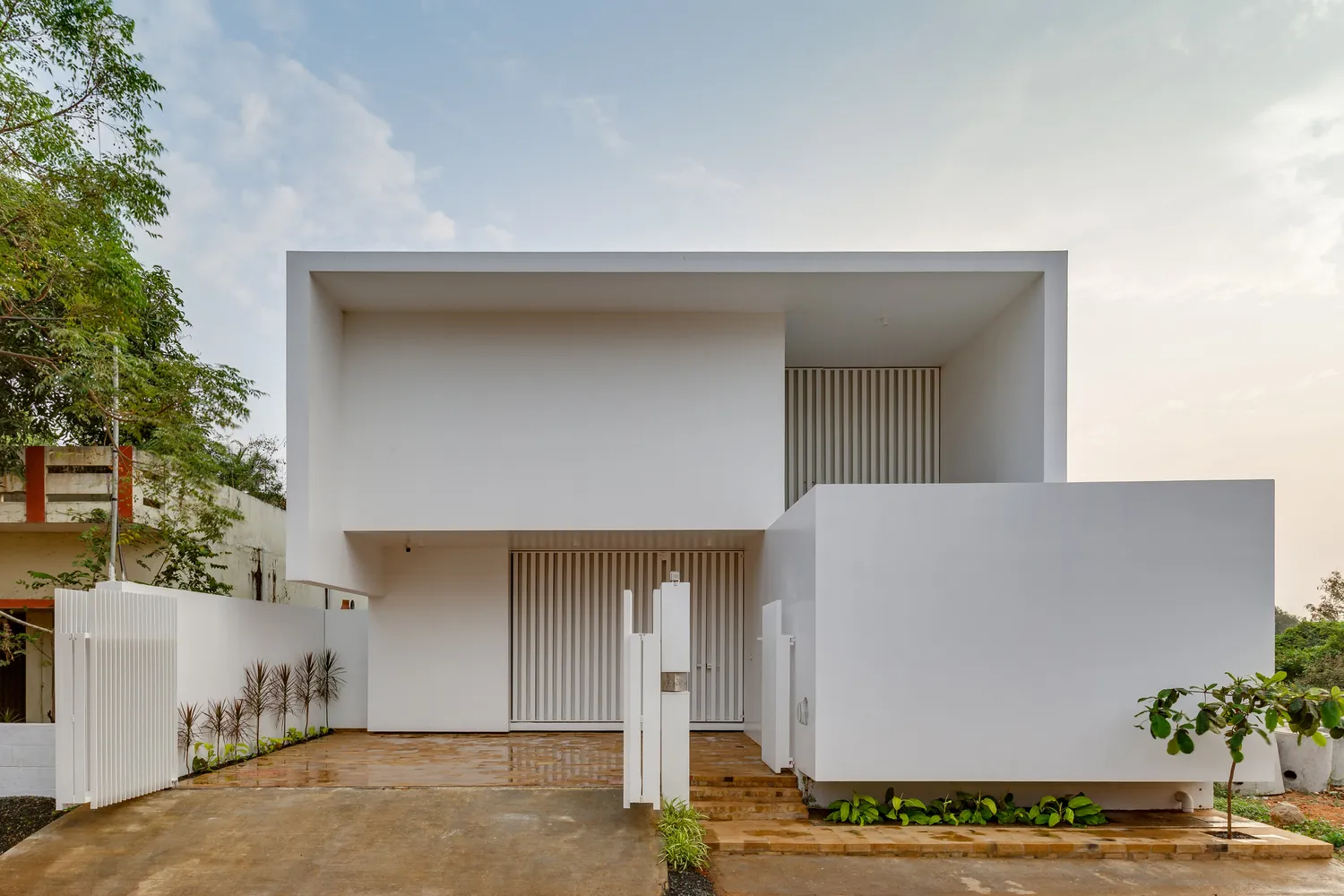
Minimalist house elevation is more than just a design choice; it is a profound statement about clarity and the intentional use of space in our chaotic modern world. When we strip away the unnecessary ornamentation that often clutters traditional architecture, we are left with the core soul of a structure. This architectural style relies on the “less is more” philosophy, where every line, window, and texture serves a specific purpose. For many homeowners, walking up to a house that feels calm and organized provides an immediate sense of peace before they even step through the front door.
The beauty of a minimalist facade lies in its honesty. It does not try to hide behind decorative moldings or complicated rooflines. Instead, it celebrates the raw geometry of cubes, rectangles, and planes. This honesty creates a timeless look that feels as relevant today as it did during the mid-century modern movement. Architects who specialize in this style often focus on the interplay of light and shadow, using the sun as a natural decorator that changes the appearance of the home throughout the day.
When we consider the visual impact of a home, the elevation is essentially the “face” it presents to the world. A minimalist approach ensures that this face is serene, sophisticated, and highly functional. It requires a deep understanding of proportions, as even the slightest misalignment in a window or a doorway can disrupt the entire balance of the design. This precision is what makes these homes so captivating to the eye, drawing us in with their effortless elegance and quiet confidence.
Defining the Aesthetic of a Minimalist House Elevation
To achieve a successful Minimalist house elevation, one must first understand the importance of negative space. In architecture, negative space refers to the areas around and between the physical structures. In a minimalist design, the “empty” walls are just as important as the windows or doors. These vast, clean surfaces allow the eye to rest and appreciate the sheer scale and form of the building without being distracted by intricate details.
Materials play a crucial role in defining this aesthetic. We often see a blend of raw concrete, smooth plaster, natural wood, and expansive glass. Each material is chosen for its inherent beauty and durability. For instance, a cedar wood cladding might be used to add warmth to an otherwise cool grey concrete facade. The goal is to create a dialogue between different textures while maintaining a monochromatic or neutral color palette that feels cohesive and grounded.
Windows are perhaps the most vital component of a minimalist facade. Instead of small, divided panes, minimalist designs favor large, floor-to-ceiling glass panels. These windows do more than just provide light; they erase the boundary between the indoors and outdoors. From the outside, these glass surfaces act as mirrors, reflecting the surrounding landscape and sky, which helps the house blend into its environment rather than standing out as an artificial intrusion.
The Strategic Use of Materials in Minimalist House Elevation
In the world of modern construction, the selection of materials for a Minimalist house elevation requires an expert eye for longevity and visual harmony. Take the example of a project in a coastal region. An architect might choose a high-grade white stucco that reflects the intense sun, paired with marine-grade aluminum window frames. This combination isn’t just about looks; it is about choosing materials that can withstand the salt air while maintaining their crisp, clean edges for decades.
Natural stone is another favorite, though it is used sparingly in minimalist designs. Rather than covering the entire house, a single “feature wall” of slate or limestone might be used to ground the elevation. This provides a sense of weight and permanence. When paired with the lightness of glass and the thin lines of steel, the stone creates a balanced composition that feels both modern and ancient at the same time.
We also see a rising trend in the use of industrial materials like weathered steel or exposed I-beams. These elements add an “industrial minimalist” edge to a home. They celebrate the structural integrity of the building, showing the viewer exactly how the house is held together. When these raw, industrial textures are contrasted with soft, interior lighting peering through large windows, the result is an elevation that feels incredibly dynamic and full of character.
The Story of the Monolith House
I once visited a home known as “The Monolith House,” a stunning example of what happens when a designer commits fully to the minimalist vision. The owners, a couple who worked in high-stress creative fields, wanted a home that felt like a sanctuary. The front elevation was essentially a series of three overlapping concrete blocks of varying heights. There were no visible handles on the front door, and the windows were recessed deep into the walls to create dramatic shadows.
As the sun began to set, the house transformed. Hidden LED strips tucked into the overhangs began to glow, casting a soft light down the concrete walls. This wasn’t just a building; it was a piece of sculpture. The owner mentioned that they spent months choosing the exact shade of grey for the concrete, wanting something that would change from a warm sand color in the morning to a deep, moody charcoal in the rain. That level of detail is what defines the true minimalist spirit.
This project also highlighted the importance of a hidden entryway. In a minimalist design, the front door is often integrated so seamlessly into the facade that it almost disappears. This creates a sense of mystery and exclusivity. By removing the traditional “front porch” clutter, the focus remains on the purity of the form. Visitors are guided by a path of large stone pavers, surrounded by simple, architectural greenery like tall grasses or a single, sculptural tree.
Fenestration and the Rhythm of Openings
Fenestration, or the arrangement of windows and doors, is where the “rhythm” of a Minimalist house elevation is created. In traditional homes, windows are often placed symmetrically with matching shutters. In a minimalist home, the placement is often asymmetrical but carefully balanced. One side of the house might have a massive glass wall, while the other side features a long, horizontal “ribbon” window that provides privacy while still letting in a sliver of the horizon.
This intentional placement is often driven by the interior function of the house. A minimalist facade is a reflection of the life happening inside. If there is a double-height living room, the exterior glass reflects that volume. If there is a private study, the window might be a small, square aperture that frames a specific view like a living painting. This connection between the internal layout and the external appearance is a hallmark of high-quality architectural design.
Maintenance is a practical consideration that often goes hand-in-hand with these designs. Because there are no decorative eaves or complicated moldings, there are fewer places for dust, dirt, or pests to gather. However, the simplicity of the surfaces means that any imperfection—like a crack in the plaster or a streak on the glass—is more noticeable. This is why using premium materials and hiring skilled craftsmen is non-negotiable for anyone looking to build a minimalist masterpiece.
Color Palettes and the Power of Neutrals
The color palette of a Minimalist house elevation is usually restrained to a few carefully chosen tones. White is a classic choice, as it highlights the purity of the geometry and reflects light beautifully. However, we are seeing a shift toward darker, more atmospheric colors. Deep charcoals, midnight blacks, and warm earthy browns are becoming popular for those who want their home to feel more grounded and cozy rather than stark and clinical.
Using a monochromatic scheme—where different shades of the same color are used—adds depth without adding clutter. For example, a house might feature light grey concrete walls, medium grey window frames, and a dark grey metal roof. This subtle variation keeps the elevation from looking flat. It allows the textures of the materials to do the talking, rather than relying on contrasting colors to create visual interest.
Wood is the “secret weapon” in the minimalist color palette. A touch of oak, teak, or charred shou sugi ban wood can instantly transform a cold facade into a welcoming one. The organic grains and natural honey tones of the wood provide a necessary contrast to the man-made perfection of steel and glass. It reminds the viewer that the home is a place for humans, providing a bridge between the sharp lines of the architecture and the soft curves of the natural landscape.
Lighting as an Architectural Tool
Outdoor lighting is an essential element that is often overlooked in the early stages of design. In a minimalist home, you won’t find ornate lanterns hanging by the door. Instead, lighting is “architectural,” meaning it is built into the structure itself. Uplights might be buried in the ground to graze the texture of a stone wall, or recessed lights might be hidden in the soffits to illuminate the pathway without showing the light source itself.
The goal of minimalist lighting is to create a silhouette. At night, the house should look like a glowing lantern. When the interior lights are on, the large glass panes reveal the warm life inside, creating a beautiful contrast with the cool, dark exterior. This interplay makes the house feel safe and inviting. It also enhances the safety of the property by illuminating walkways and entrances in a subtle, sophisticated way.
Smart home technology has made this easier than ever. Modern minimalist elevations often feature sensors that adjust the exterior lighting based on the time of day or the presence of people. This ensures that the house always looks its best while also being energy-efficient. There is something magical about a house that “wakes up” as you drive into the driveway, softly lighting your path to the front door without overwhelming the neighborhood with bright, glaring lights.
Integrating the Landscape into the Design
A Minimalist house elevation does not stop at the walls of the building; it extends into the landscape. A cluttered garden with dozens of different flower species and ornate fences will clash with a minimalist facade. Instead, the landscaping should follow the same principles of simplicity and structure. Xeriscaping, which uses drought-resistant plants and gravel, is a perfect match for this architectural style.
We often see the use of “green screens” or hedges that act as living walls. These provide privacy without the need for heavy wooden fences or brick walls. A single row of bamboo or a perfectly manicured boxwood hedge can define the boundary of the property while maintaining the clean lines of the overall design. The use of water features, such as a simple reflecting pool, can also enhance the minimalist vibe by adding a sense of movement and reflection.
Storytelling through landscaping can be quite powerful. Imagine a minimalist white villa situated in a desert landscape. The stark whiteness of the house provides a dramatic backdrop for the twisted, organic shapes of agave and yucca plants. The shadows cast by these plants against the flat walls of the house create an ever-changing art gallery. This relationship between the static building and the living plants creates a home that feels alive and connected to its roots.
The Role of Sustainability and Passive Design
Minimalism and sustainability are natural partners. By focusing on essential forms and removing unnecessary bulk, minimalist homes often have a smaller environmental footprint. Passive design strategies, which use the building’s orientation and materials to regulate temperature, are a staple of minimalist architecture. For example, a large concrete wall on the sunny side of the house can act as a thermal mass, absorbing heat during the day and releasing it slowly at night.
Flat roofs, a common feature in minimalist elevations, are perfect for the installation of solar panels or even “green roofs” covered in vegetation. These green roofs provide excellent insulation and help manage rainwater runoff. Because minimalist designs prioritize large windows, they also maximize natural day-lighting, reducing the need for artificial lights during the day. This reduces energy consumption and creates a healthier indoor environment for the residents.
Many minimalist architects also prioritize the use of recycled or locally sourced materials. Reclaimed wood for a feature wall or recycled steel for the window frames adds a layer of depth and story to the house. It shows that the home is not just a modern box, but a conscious choice to live better and more responsibly. This commitment to the environment adds to the “expertise” and “trustworthiness” of the design, as it considers the long-term impact on the planet.
Entryway Design: The Final Focal Point
The entryway is the climax of the Minimalist house elevation. In a design where everything else is simplified, the door becomes a significant focal point. Minimalist doors are often oversized, sometimes reaching from the floor to the ceiling. They might be made of a single, massive slab of pivot-hinged wood or a sleek sheet of dark metal. The handle is often a simple, vertical bar or even a recessed “pull” that doesn’t disrupt the surface of the door.
This sense of entry is vital. It is the transition point from the public world to the private sanctuary. Even without a traditional porch, the entryway can be defined by a slight recess in the wall or a cantilevered roof that provides shelter from the rain. This “functional sculpture” is what makes a minimalist home feel so well-thought-out. Every element has been considered, from the way the light hits the door handle to the sound the door makes when it clicks shut.
Building a minimalist home is an exercise in discipline. It requires the homeowner to let go of the “more is better” mindset and embrace the beauty of “just enough.” It is a journey toward finding what truly matters in a living space. By focusing on quality materials, perfect proportions, and a harmony with nature, a minimalist elevation creates a home that is not just a place to live, but a masterpiece of modern design that will inspire for years to come.
Rooflines and the Silhouette of the Home
The roofline is the final stroke in the drawing of a minimalist facade. While flat roofs are the most iconic choice, they are not the only option. We also see “butterfly” roofs, where the roof slopes inward, or simple shed roofs that slope in a single direction. The key is that the roofline should be a single, clean gesture. There are no complicated gables or dormer windows to break the silhouette.
Flat roofs allow for the creation of stunning rooftop terraces, providing extra outdoor space without increasing the footprint of the home. These “hidden” spaces are a favorite in urban minimalist designs, where land is at a premium. From the street, the house looks like a simple, elegant box. But from the air, it reveals a lush, private garden or an outdoor lounge. This duality is one of the most exciting aspects of modern minimalist living.
For homes in areas with heavy snowfall, a minimalist design might feature a hidden pitch. The roof looks flat from the street level because it is hidden behind a parapet wall, but it actually has a slight slope to manage drainage and snow load. This clever engineering allows the home to maintain its minimalist aesthetic while functioning perfectly in a harsh climate. It is another example of how minimalist design is about solving problems through clever, simplified solutions.
Read also :-