

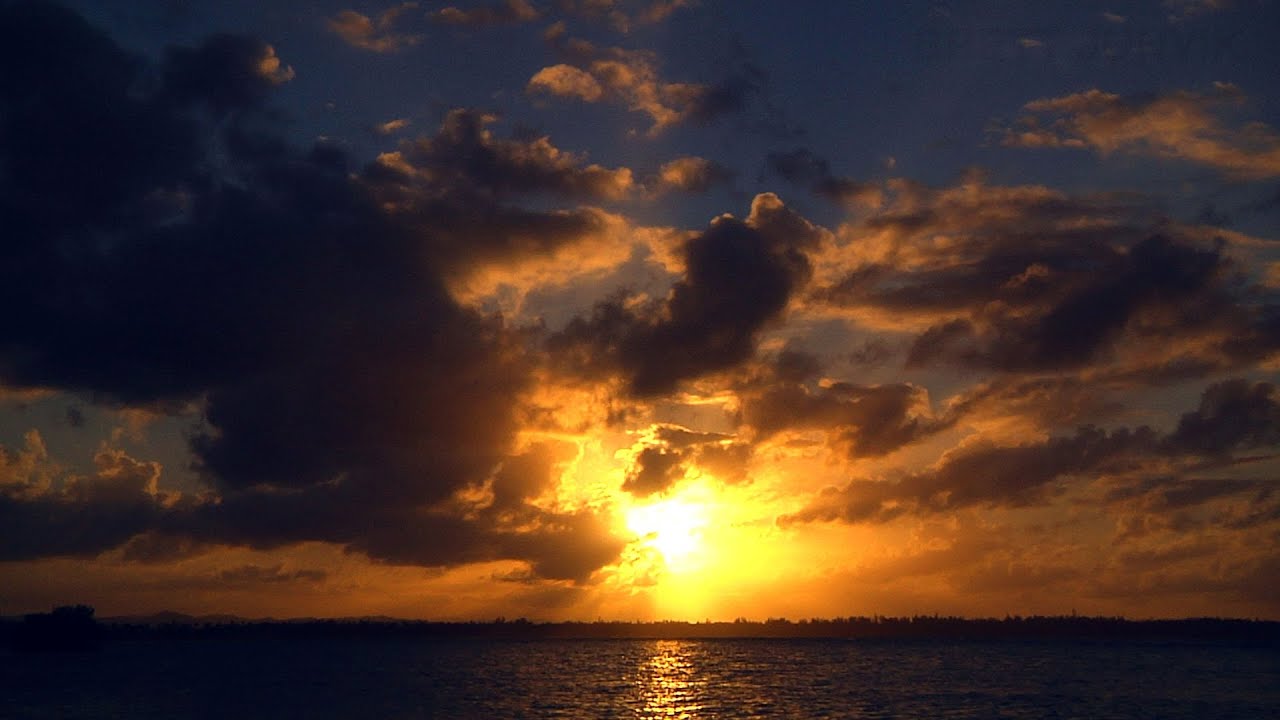
Ever stood outside after a breathtaking sunset, watching the colors fade from the sky, and wondered, “When will it be completely dark?” You’re not alone! Whether you’re a stargazer, photographer, night hiker, or simply curious, understanding what happens after sunset today is not only fascinating but also incredibly useful.
In this guide, we’ll explore what really happens after sunset today, how long it takes for the sky to get completely dark, and why it varies depending on where you are and the time of year.
What Happens After Sunset Today?
To begin, it’s important to understand that sunset today doesn’t mean the sky goes instantly black. Far from it!
Sunset marks the moment when the upper edge of the Sun dips below the horizon. But the light show isn’t over. After sunset today, the sky enters three distinct twilight phases:
-
Civil Twilight
-
Nautical Twilight
-
Astronomical Twilight
Each phase has its own unique characteristics and affects how dark the sky appears.
Civil Twilight: The Postcard Hour
Right after sunset today, we enter civil twilight. This is the period where there’s still enough light for most outdoor activities without artificial lighting. The sky glows with beautiful reds, purples, and oranges—perfect for those Instagram-worthy shots.
Duration: Typically lasts about 20 to 30 minutes after sunset today, depending on your latitude and season.
Fun Fact: Streetlights usually turn on during civil twilight!
Nautical Twilight: The Deepening Blues
Next comes nautical twilight. This phase begins when the Sun is between 6° and 12° below the horizon. At this point, the sky darkens significantly, and the horizon is no longer clearly visible at sea—hence the name.
This is a great time for casual stargazing, as brighter stars and planets begin to emerge. If you’ve ever caught a glimpse of Venus or Jupiter shining right after sunset today, it was likely during nautical twilight.
Duration: Roughly 30 to 40 minutes depending on location and season.
Astronomical Twilight: The Final Fade
Finally, we enter astronomical twilight, when the Sun is between 12° and 18° below the horizon. By now, most of the ambient light has faded, and the sky appears fully dark to the casual observer.
But astronomers wait until the end of astronomical twilight—only then is the sky truly dark enough for deep-sky observations. That’s when the magic of the night sky really begins.
Duration: Usually lasts another 30 to 40 minutes.
So, When Is It Totally Dark After Sunset Today?
On average, it takes about 70 to 100 minutes for the sky to go from sunset today to complete darkness, depending on several factors:
-
Latitude: The farther from the equator you are, the longer twilight lasts.
-
Season: Twilights are shorter around the equinoxes and longer around the solstices.
-
Altitude: Higher elevations can experience slightly different twilight durations.
-
Weather Conditions: Clouds can accelerate the perception of darkness, even during twilight.
So next time you’re checking sunset today, remember that complete darkness doesn’t set in immediately—it’s a gradual, beautiful process.
Why Does Your Location Matter?
Here’s something cool: if you’re in the tropics (like near the equator), twilight phases after sunset today are brief—total darkness sets in faster. But if you’re in northern Europe or Canada during summer, it might never get completely dark at all!
In places like Alaska or Norway, the Sun may dip just below the horizon and linger, keeping the sky glowing for hours. That’s why sunset today in those areas can look more like a very long dusk.
Why Photographers and Stargazers Love Twilight
For photographers, the hour after sunset today is often called the “blue hour.” It’s when the natural light is soft and diffused—perfect for cityscapes, portraits, and landscapes.
Stargazers, on the other hand, wait for the end of astronomical twilight, when light pollution from the Sun finally disappears. That’s when you can see the Milky Way, nebulae, and other celestial wonders. So, tracking sunset today can be your first step to planning a perfect night under the stars.
How to Predict the Darkness After Sunset Today
Thanks to modern tools and apps, predicting the phases after sunset today is easier than ever. Here are some useful tools:
-
Timeanddate.com – Offers detailed twilight times for any location.
-
Sky Guide / Star Walk / Stellarium – Great for stargazing planning.
-
Weather apps – Often include sunset today times and cloud forecasts.
-
Photography apps – Golden Hour and Blue Hour trackers for photographers.
Just plug in your location and date to see exactly how long it will take for the sky to go dark after sunset today.
Travel Tip: Plan Around Sunset Today
If you’re traveling or planning an outdoor event, tracking sunset today is a handy way to schedule your evening. Whether you’re camping, hiking, or planning a proposal under the stars, knowing when it gets truly dark helps you make the most of your time.
Example: Hiking a mountain trail? You’ll want to be off the path by the end of civil or nautical twilight. Trust us, the last thing you want is to get stuck in the dark without a flashlight!
Different Twilight Durations Around the World
Here’s a quick snapshot of how long it takes for complete darkness after sunset today in different regions:
| Location | Avg. Time to Full Darkness |
|---|---|
| Equator (Quito) | 70–80 minutes |
| New York City | 90 minutes |
| London | 95–100 minutes |
| Oslo (Summer) | May not get fully dark |
| Sydney | 80–90 minutes |
| Cape Town | 75–85 minutes |
As you can see, the twilight experience after sunset today varies quite a bit depending on where you are.
Bonus: Twilight and Your Body Clock
Your internal clock, or circadian rhythm, is also influenced by the light after sunset today. Exposure to blue light (from the fading sky or screens) can affect melatonin production and sleep cycles.
If you’re trying to wind down in the evening, dimming the lights after sunset today and avoiding screens can help signal your body that it’s bedtime. Nature has its own rhythm—when we align with it, we often sleep better and feel more energized.
Wrapping It Up: From Glow to Galaxy
So, how long after sunset today does the sky become totally dark? On average, you’re looking at about 90 minutes, give or take. But it’s more than just a countdown—it’s a spectacular transition that deserves to be noticed.
Next time you check the time for sunset today, stick around for the whole show. Watch as the world slowly turns off its lights and hands the stage to the stars. Whether you’re planning a romantic evening, an astrophotography session, or a simple walk at dusk, that transition from sunset to full darkness is a journey worth appreciating.