

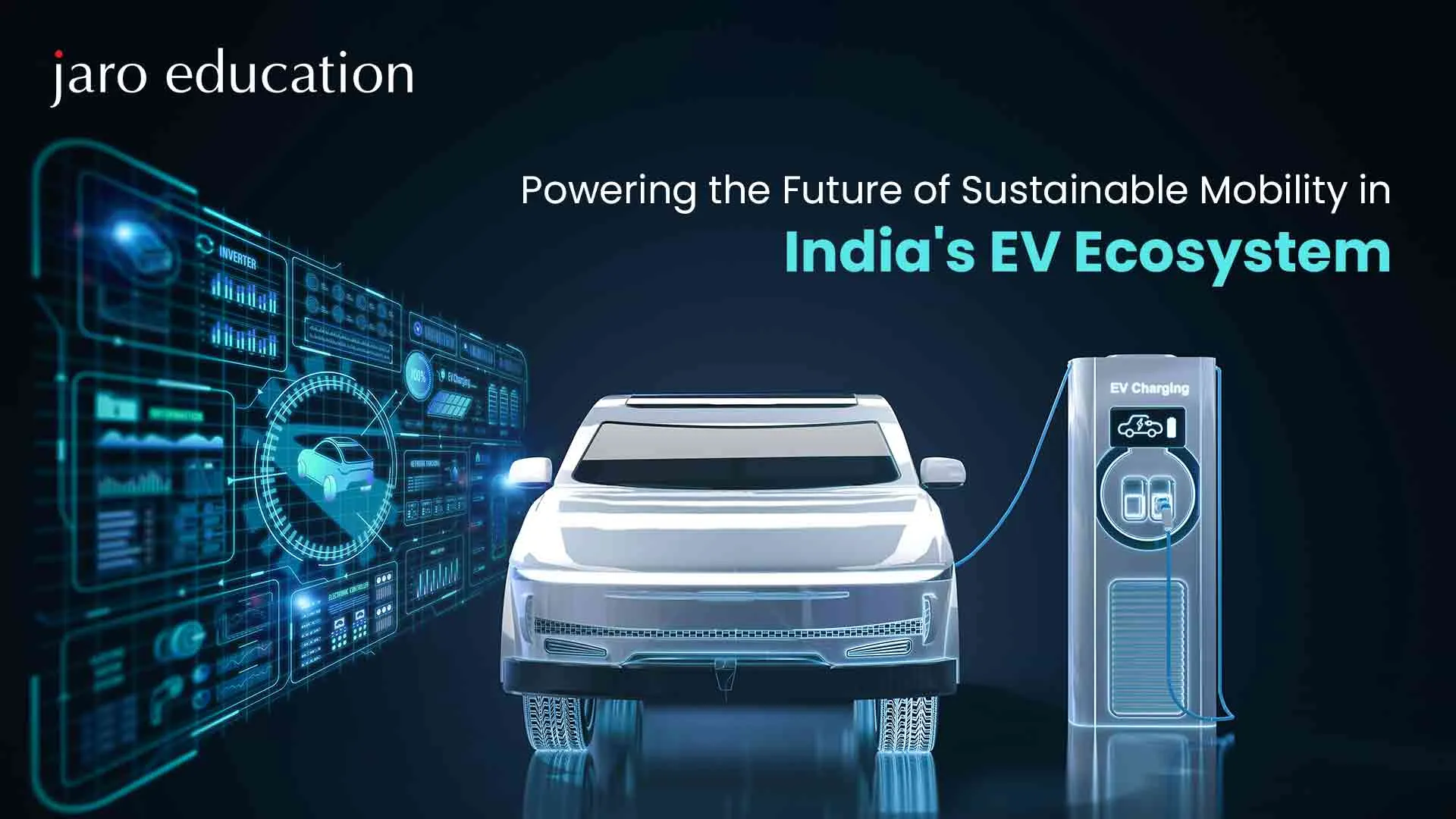
Future of electric mobility is no longer a distant vision—it is unfolding right now on roads, highways, and cities across the globe. From silent electric cars gliding through traffic to charging stations appearing in urban neighborhoods, the transformation is visible and accelerating. This shift represents more than a technological upgrade; it reflects a global commitment to cleaner, smarter, and more sustainable transportation.
Just a few years ago, electric vehicles were considered niche products. Today, they are becoming mainstream. Families use them for daily commutes, businesses integrate them into logistics fleets, and governments support them through infrastructure and incentives. This transition is redefining how people interact with transportation.
The rapid evolution of technology, combined with environmental urgency, ensures that electric mobility will shape the future of transportation for decades to come.
The Evolution and Future of Electric Mobility
The automotive industry has always evolved alongside technological progress. From steam-powered engines to gasoline vehicles, each era introduced transformative changes. Electric mobility represents the next major step in that journey.
Companies like Tesla played a critical role in proving that electric cars could be powerful, stylish, and practical. Their vehicles demonstrated that sustainability does not require sacrificing performance.
Traditional manufacturers such as Volkswagen and Hyundai have also invested heavily in electric vehicle development. Their commitment shows that the future of electric mobility is supported by both innovators and legacy brands.
This widespread adoption reflects a global shift toward cleaner and more efficient transportation solutions.
Environmental Impact and Sustainability
Climate change has become one of the most pressing global challenges. Transportation contributes significantly to carbon emissions, making sustainable alternatives essential.
Electric vehicles produce zero tailpipe emissions. This reduces air pollution in cities and improves public health. Cleaner air means fewer respiratory illnesses and a healthier environment.
The future of electric mobility is closely linked to sustainability goals. Governments worldwide are implementing policies to reduce fossil fuel dependence and encourage electric vehicle adoption.
Renewable energy integration further strengthens the environmental benefits of electric transportation.
Battery Technology Driving the Future of Electric Mobility
Battery innovation is at the heart of electric mobility. Early electric vehicles faced limitations due to short range and long charging times. Modern battery technology has overcome many of these challenges.
Lithium-ion batteries now offer longer driving ranges, faster charging, and improved durability. Companies like Panasonic collaborate with automakers to develop advanced battery solutions.
Researchers are also exploring solid-state batteries, which promise higher efficiency and safety. These advancements ensure that the future of electric mobility will include vehicles capable of traveling longer distances with shorter charging times.
Improved battery performance increases consumer confidence and accelerates adoption.
Charging Infrastructure and Accessibility
Charging infrastructure plays a crucial role in electric mobility adoption. Without convenient charging options, drivers may hesitate to switch from traditional vehicles.
Public charging stations are expanding rapidly. Urban areas, highways, shopping centers, and residential complexes are installing charging points to support electric vehicles.
Companies like ChargePoint and Shell are investing in charging networks globally.
The expansion of charging infrastructure ensures that the future of electric mobility will be accessible, practical, and convenient for everyone.
Economic Benefits of Electric Mobility
Electric mobility offers significant financial advantages for both individuals and businesses.
Electric vehicles have fewer moving parts than traditional vehicles. This reduces maintenance costs and increases reliability. Drivers save money on fuel, oil changes, and engine repairs.
Businesses benefit from lower operating costs, especially in logistics and delivery sectors.
The economic efficiency of the future of electric mobility makes it attractive not only for environmental reasons but also for financial sustainability.
Technological Innovation and Smart Integration
Electric vehicles are closely linked to digital innovation. Modern EVs include smart features such as real-time monitoring, remote control through mobile apps, and intelligent navigation systems.
Companies like Apple and Google provide software integration that enhances user experience.
Drivers can monitor battery levels, locate charging stations, and optimize routes using connected systems.
This technological integration highlights how the future of electric mobility combines sustainability with digital convenience.
Government Policies Supporting Electric Mobility
Government support plays a critical role in accelerating electric vehicle adoption.
Many countries offer tax incentives, subsidies, and infrastructure investments to encourage electric mobility.
Policies promoting clean energy and emission reduction create favorable conditions for electric vehicle growth.
The strong support from policymakers ensures that the future of electric mobility remains a global priority.
Real-Life Experiences Driving the Future of Electric Mobility
Many drivers who switch to electric vehicles describe the experience as transformative.
The smooth acceleration, quiet operation, and lower operating costs create a unique driving experience.
For example, urban commuters appreciate the convenience of charging at home overnight. Business owners benefit from reduced fuel expenses.
These real-world experiences demonstrate the practical benefits of the future of electric mobility.
Challenges and Solutions
Despite progress, electric mobility faces challenges.
Charging infrastructure gaps, battery production costs, and consumer awareness remain key concerns.
Manufacturers and governments are working together to address these issues.
Innovations in battery technology, infrastructure expansion, and education initiatives ensure that the future of electric mobility continues progressing.
Business Opportunities and Industry Growth
Electric mobility is creating new opportunities across industries.
Automakers, battery manufacturers, software developers, and infrastructure providers are investing heavily in electric technology.
Job creation in engineering, manufacturing, and energy sectors continues to grow.
The economic potential of the future of electric mobility extends beyond transportation into broader industrial transformation.
Electric Mobility and Urban Development
Cities are evolving alongside electric transportation.
Urban planners are designing smart cities with integrated charging infrastructure and electric public transport systems.
Electric buses, taxis, and delivery vehicles reduce noise and pollution.
These developments ensure that the future of electric mobility contributes to healthier and more efficient urban environments.
Consumer Trust and Market Adoption
Consumer trust is essential for technology adoption.
Reliable performance, safety, and affordability increase confidence in electric vehicles.
Manufacturers invest in research, testing, and quality assurance to meet consumer expectations.
This trust strengthens the foundation of the future of electric mobility, encouraging widespread adoption.
Innovation and the Road Ahead
Innovation continues to drive electric mobility forward.
Advancements in battery efficiency, charging speed, and vehicle design improve performance and convenience.
Automakers are developing new electric models across various price ranges, making electric vehicles accessible to more consumers.
The ongoing progress confirms that the future of electric mobility will redefine transportation, sustainability, and technological advancement worldwide.
The Human Connection to Electric Mobility
Beyond technology and economics, electric mobility represents a cultural shift.
People are becoming more conscious of their environmental impact. Choosing electric vehicles reflects a commitment to sustainability.
Families, businesses, and communities are embracing cleaner transportation solutions.
This emotional and social connection ensures that the future of electric mobility continues gaining momentum as a defining feature of modern life.
Read also :-