

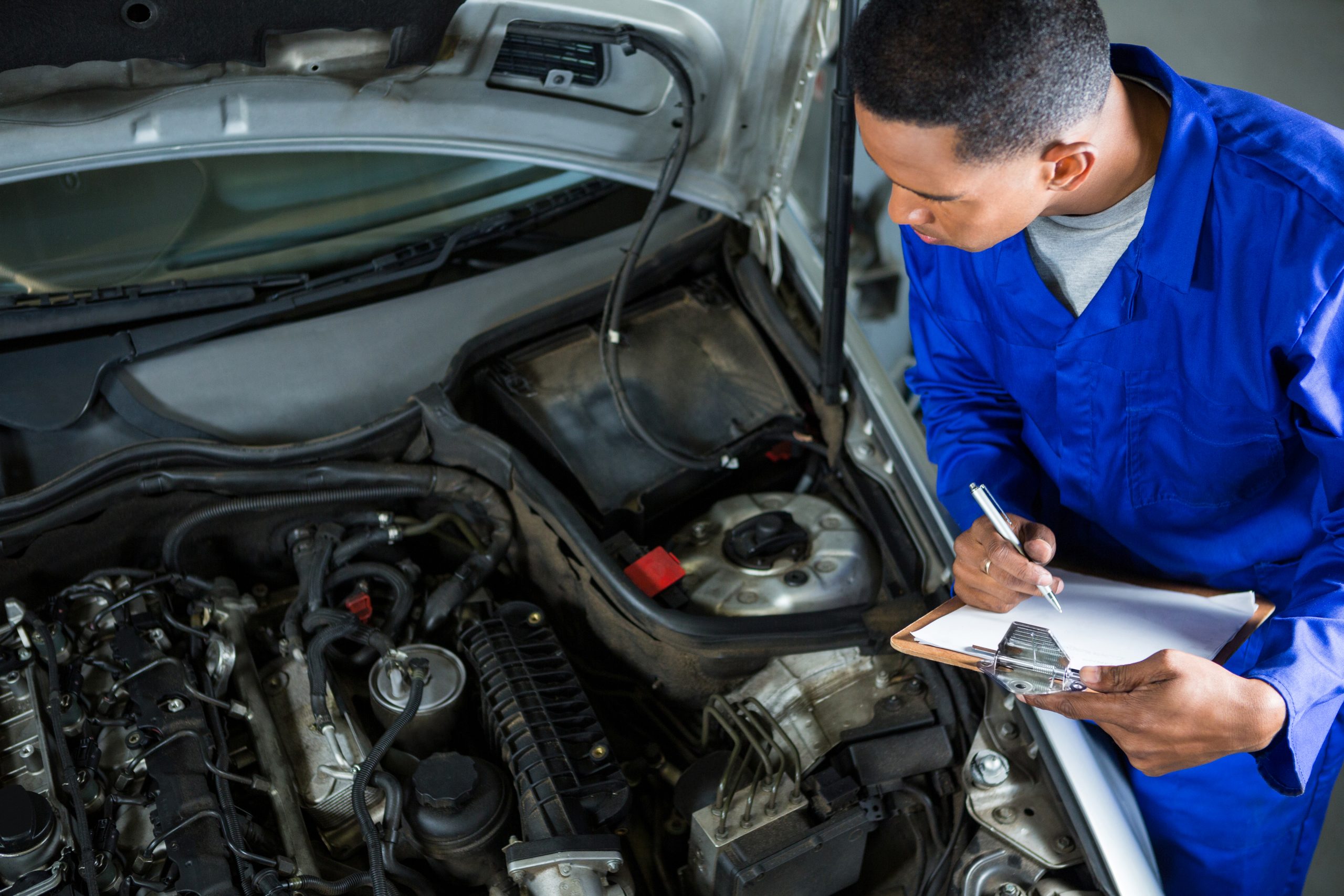
Let’s be honest for a second. Most of us only think about our car’s engine when something goes terribly wrong. A weird noise, a warning light, or that sinking feeling when the car refuses to start. That’s exactly why understanding engine maintenance basics is not just “good to know” but absolutely essential.
Your engine is the heart of your vehicle. Treat it well, and it will reward you with smoother rides, better mileage, and fewer surprise repair bills. Ignore it, and well… your wallet will feel the pain.
This guide breaks down engine maintenance basics in plain English. No mechanical jargon overload. No scare tactics. Just practical, proven advice that actually works in the real world.
Before we dive deep, let’s ground ourselves with a few important facts.
Engine Reliability & Maintenance Stats (Quick Snapshot)
| Metric | Data |
|---|---|
| Average engine lifespan with good care | 200,000–300,000 km |
| Oil-related engine failures | ~40% of cases |
| Fuel efficiency improvement with maintenance | Up to 10% |
| Cost difference: maintenance vs major repair | 5–10x cheaper to maintain |
| Overheating-related breakdowns | Top 3 causes globally |
These numbers highlight one simple truth: engine maintenance basics save money, time, and stress.
What Exactly Are Engine Maintenance Basics?
At its core, engine maintenance basics refer to the routine checks, services, and habits that keep your engine running efficiently and safely over time. This includes lubrication, cooling, air intake, fuel delivery, and monitoring wear-and-tear.
Think of it like personal health. You don’t wait for a hospital visit to start caring about your body. Your engine deserves the same respect.
The most important part? You don’t need to be a mechanic to understand engine maintenance basics.
Why Engine Maintenance Basics Matter More Than Ever
Modern engines are powerful, efficient, and technologically advanced—but they’re also sensitive. Poor fuel, delayed servicing, or ignored warning signs can quickly escalate into expensive problems.
Following engine maintenance basics helps you:
Improve fuel economy
Reduce emissions
Avoid sudden breakdowns
Extend engine life
Maintain resale value
From a user-first perspective, this means fewer headaches and more confident driving.
1. Engine Oil: The Lifeblood You Must Never Ignore
If engine maintenance basics had a golden rule, this would be it: never neglect engine oil.
Engine oil lubricates moving parts, reduces friction, prevents overheating, and traps contaminants. Running on old or insufficient oil causes metal-to-metal contact, which is a fast track to engine damage.
Expert Insight:
Automotive engineers consistently agree that delayed oil changes are the number one cause of premature engine wear.
Check oil levels at least once a month and change oil as recommended by your manufacturer. This single habit defines good engine maintenance basics.
2. Keep the Engine Cool (Literally)
Overheating is one of the fastest ways to destroy an engine. Coolant regulates engine temperature and prevents internal components from warping.
Basic cooling system care includes:
Checking coolant levels
Inspecting hoses for leaks
Ensuring the radiator fan works
Ignoring cooling issues violates engine maintenance basics and often leads to costly head gasket failures.
3. Air Filters: Small Part, Big Impact
Your engine needs clean air to function efficiently. A clogged air filter restricts airflow, reducing power and increasing fuel consumption.
Replacing or cleaning air filters is one of the easiest engine maintenance basics, yet it’s frequently ignored.
Clean air = better combustion = healthier engine.
4. Fuel Quality and Fuel Filters Matter
Poor fuel quality can clog injectors, reduce performance, and cause knocking. Fuel filters stop contaminants from reaching sensitive engine parts.
As part of engine maintenance basics, always:
Use recommended fuel grade
Replace fuel filters on schedule
Avoid running on near-empty tanks frequently
These habits protect your engine from long-term damage.
5. Spark Plugs: Tiny Sparks, Huge Responsibility
Spark plugs ignite the air-fuel mixture. Worn plugs cause misfires, rough idling, and poor mileage.
Replacing spark plugs at the right time improves:
Engine smoothness
Cold starts
Fuel efficiency
It’s a simple but essential part of engine maintenance basics.
6. Listen to Your Engine (It Talks!)
Engines communicate through sounds, vibrations, and smells. Knocking noises, unusual vibrations, or burning smells are early warning signs.
User-first advice:
If something feels “off,” it probably is.
Responding early is a core principle of engine maintenance basics and prevents small issues from becoming major failures.
7. Belts and Hoses Deserve Attention Too
Belts and hoses keep vital systems running. Cracked hoses or worn belts can cause sudden breakdowns.
Regular inspection ensures:
Proper cooling
Consistent power delivery
No surprise roadside stops
Ignoring them is a common mistake that violates engine maintenance basics.
8. Battery Health Directly Affects Engine Performance
While the battery doesn’t power the engine directly, it plays a key role in starting and electronic control systems.
Weak batteries strain starters and sensors, affecting overall engine health. Checking terminals and voltage is a smart move within engine maintenance basics.
9. Dashboard Warning Lights Are Not Decorations
Modern engines are smart. When a warning light appears, it’s your engine asking for help.
Ignoring warning lights is the opposite of engine maintenance basics.
Early diagnostics save money and prevent cascading failures.
10. Regular Servicing Beats Emergency Repairs
Scheduled servicing keeps everything aligned, calibrated, and clean. Professional inspections catch issues you might miss.
Expert Insight:
Preventive maintenance costs significantly less than reactive repairs over a vehicle’s lifetime.
This philosophy sits at the heart of engine maintenance basics.
Common Myths About Engine Maintenance Basics
Myth: Modern engines don’t need frequent care
Truth: Precision engines need more care, not less
Myth: Only mileage matters
Truth: Time, driving style, and environment matter equally
Myth: Maintenance is expensive
Truth: Neglect is far more expensive
Understanding these myths helps users make informed decisions aligned with engine maintenance basics.
Conclusion
Mastering engine maintenance basics isn’t about becoming a car expert. It’s about building simple habits that protect one of the most expensive components of your vehicle.
From oil changes to listening for warning signs, every small action adds up. Follow these engine maintenance basics, and your engine will reward you with reliability, performance, and peace of mind for years to come.
Read also:
afghanistan national cricket team vs zimbabwe national cricket team match scorecard
afghanistan national cricket team vs zimbabwe national cricket team match scorecard
afghanistan national cricket team vs zimbabwe national cricket team match scorecard
FAQs
What are engine maintenance basics for beginners?
Engine maintenance basics include checking oil, monitoring coolant, replacing filters, and responding to warning lights regularly.
How often should engine oil be changed?
Most engines need oil changes every 5,000–10,000 km depending on oil type and driving conditions.
Can engine maintenance improve fuel efficiency?
Yes, proper engine maintenance basics can improve fuel efficiency by up to 10%.
Is engine maintenance necessary for new cars?
Absolutely. New cars still require strict adherence to engine maintenance basics to maintain warranty and performance.
What happens if engine maintenance is ignored?
Ignoring engine maintenance basics leads to overheating, poor mileage, breakdowns, and costly repairs.