

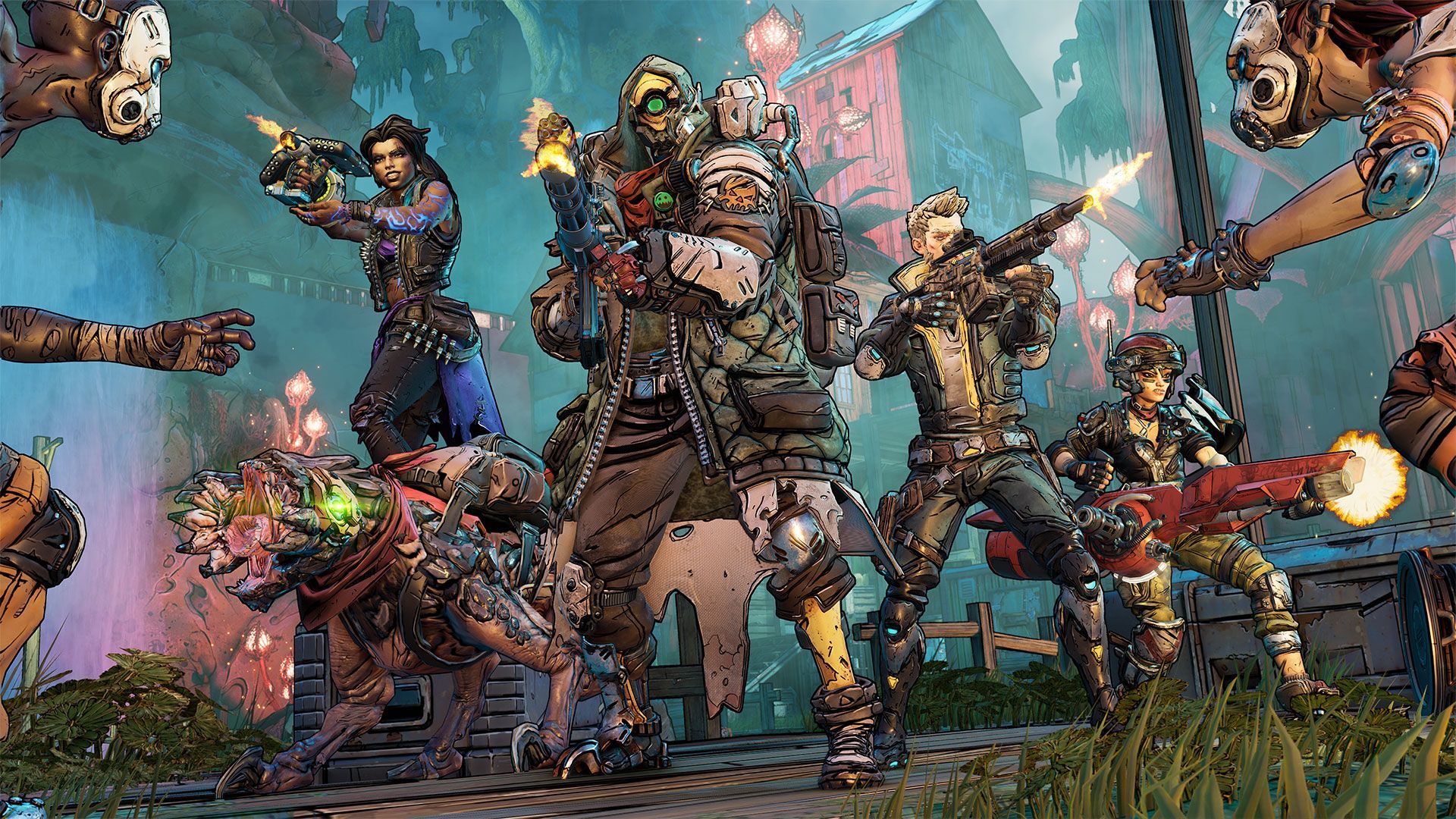
Cross-platform multiplayer games are redefining how players connect, compete, and create memories in the gaming world. Gamers no longer feel limited to one particular device, and that sense of freedom is shaping a new generation of shared experiences. For many players, the idea that a PC gamer can team up with a friend on mobile or console still feels exciting. This shift is not just a technological upgrade but a transformation in how communities form and interact.
The core idea behind modern cross-platform gaming revolves around accessibility. It gives opportunities to friends who use different devices, makes gaming more inclusive, and opens doors to larger communities. Even players who might not own high-end hardware can still participate fully. This creates a more balanced and welcoming gaming environment that stands out from previous generations of gaming.
The Evolution of Cross-platform Multiplayer Games
Cross-platform technology did not appear overnight. It has evolved over years of experimenting, testing, and improving online connectivity. Earlier gaming generations had strict limitations, often locking players to one ecosystem. Developers gradually recognized that players wanted to stay connected regardless of device, and this demand led to breakthroughs that shaped the current era.
Early Challenges in Cross-Platform Development
The biggest barrier was synchronizing gameplay experiences across different systems. Each device had its own operating system, performance level, and network handling method. Bringing these together into one unified ecosystem required precision and advanced engineering.
Another challenge was maintaining fairness. A player on a high-performance PC might have an advantage over someone on mobile or console. Developers had to balance performance adjustments, aim-assist techniques, and matchmaking systems to ensure everyone enjoyed a stable and fair gameplay environment.
Milestones That Opened New Possibilities
Consistency in network protocols and improvements in cloud architecture allowed developers to create shared environments. Games started adapting unified accounts, cross-progression features, and cloud saves. These upgrades helped players feel connected no matter where they played.
This era also saw the rise of cross-play titles that embraced openness rather than protecting exclusive ecosystems. Communities grew larger, and updates became universal across platforms, creating synchronized global experiences.
Why Cross-platform Multiplayer Games Are Gaining Popularity
The rise of cross-platform multiplayer games is a result of several factors that align with the preferences of modern gamers. The current generation values friendship, convenience, and community more than platform loyalty. Developers recognize this trend and continue to build features that support a global connected experience.
A More Social Gaming World
The biggest motivation behind cross-play is social connection. Friends want to play together regardless of device, and cross-play eliminates barriers. Whether someone owns a console, a PC, or a smartphone, they remain part of the same gaming world.
Families benefit too. A parent playing on a tablet can join a child on a console, making gaming a shared family activity rather than a separate experience. This shared connectivity turns gaming into a more meaningful activity.
Unified Communities Across Devices
Cross-play creates much larger communities. Games thrive when their player base is active, and cross-platform connectivity ensures players find matches faster and compete with a diverse crowd. Developers benefit from this too, as their games last longer and maintain active players for years.
This sense of unity is essential for multiplayer titles. Players consistently meet new people, join different types of matches, and participate in events without worrying about platform limitations.
How Cross-platform Multiplayer Games Shape Player Experience
Cross-platform play impacts the overall gaming experience in several key ways. These games are designed to maintain stable performance across different devices while still offering a meaningful and enjoyable environment.
Consistency in Game Mechanics
To provide identical gameplay across platforms, developers ensure that the core mechanics remain the same. Controls may differ, but the overarching rules, progression paths, and rewards stay consistent. This fairness helps create enjoyable and balanced competition.
Improved Matchmaking Experience
A larger community means more stable matchmaking. Players find opponents faster, leading to smoother gameplay. With cross-play enabled, even niche genres have active communities that keep the game engaging.
Freedom of Choice
Gamers can choose their preferred device. Some may play using a controller, others with a keyboard, and some through touch controls. Cross-platform gaming honors every choice without restricting anyone.
Cross-platform Multiplayer Games and Modern Technology
Technological advancements have played a crucial role in making cross-platform gaming possible. Developers use modern tools to connect players across different ecosystems smoothly.
The Role of Game Engines
Popular engines like Unity and Unreal support cross-platform development, allowing teams to build and deploy games on multiple systems from a unified framework. This significantly reduces development time and ensures updates roll out uniformly.
Networking Technology
Improved server architecture, cloud integration, and rapid content deployment make online connectivity smoother. Developers can now monitor and adjust game servers in real-time to handle traffic across platforms.
Cross-progression and Cloud Saves
These features make cross-play even more rewarding. A player can start a game on mobile, continue on PC, and finish on a console without losing progress. This seamless transition enhances the user experience enormously.
Cross-platform Multiplayer Games in Competitive Esports
Competitive gaming has embraced cross-play in many events. The esports industry benefits from a unified community that participates without platform restrictions.
Fair Competition Through Smart Balancing
Developers add balancing tools like input-based matchmaking or device-specific lobbies to ensure competition is fair. This allows gamers on different devices to enjoy balanced matches without feeling disadvantaged.
Bigger Tournaments and Global Participation
Cross-platform functionality gives more players the chance to join tournaments. Teams can recruit players regardless of the device they use, opening opportunities for rising talent worldwide.
A More Diverse Esports Scene
With cross-play, esports becomes more inclusive. Gamers from many backgrounds and devices come together to compete, enrich strategies, and create more dynamic tournaments.
Storytelling Through Shared Experiences in Cross-platform Games
Cross-platform titles often become memorable because they capture moments shared between players on different systems. A PC gamer may assist a friend on a console during a mission, or a mobile player might revive a teammate during a critical moment. These emotional experiences bring players closer.
Friends Reuniting Across Platforms
Many players rediscover old friendships through cross-play. They reconnect with friends who moved to different gaming systems and enjoy experiences they thought were no longer possible. Cross-play removes long-standing barriers and creates a new path for social gaming.
Family Bonding Through Shared Adventures
Parents and children can play together more naturally. Some may use high-end PCs, while others prefer tablets or consoles. Cross-play ensures that fun is not restricted by hardware.
Building Memories Across Devices
Every achievement, every win, and every cooperative mission becomes meaningful when shared across systems. Cross-platform gaming turns simple moments into lifelong memories.
Challenges Still Faced by Cross-platform Multiplayer Games
Despite major progress, cross-play still faces issues that developers continually work to solve. These challenges do not limit the growth of cross-platform gaming but guide developers to improve user experience.
Balancing Player Advantage
Players on devices with precision controls, like PC, may have slight advantages over others. Developers use matchmaking filters and input recognition to maintain fairness.
Technical Synchronization
Different platforms have varying performance levels. Maintaining consistent updates, patch timings, and network behavior across all systems requires careful planning.
Security and Account Management
Cross-play involves shared accounts across multiple ecosystems. Developers must ensure that accounts remain secure and that players’ progress is protected.
The Future of Cross-platform Multiplayer Games
The future promises even more immersive and connected experiences. Developers are already planning innovative features that will take cross-play to new levels.
Cloud Gaming Integration
Games will run directly from cloud servers, enabling smoother cross-play without hardware limitations. This removes barriers for players with low-end systems.
AI-Enhanced Connectivity
AI systems may soon manage matchmaking, optimize network traffic, and enhance the stability of cross-platform interactions.
Unified Player Ecosystems
Future platforms may allow players to share friends lists, achievements, and inventories across all devices effortlessly.
Why Cross-platform Multiplayer Games Matter in Today’s Gaming Culture
Cross-platform gaming is more than a technological feature; it represents a cultural shift in the industry. It brings players together, bridges platform gaps, and creates global communities. It encourages inclusivity, accessible gameplay, and long-term growth across genres.
A Gaming World Without Boundaries
Players no longer feel limited by their devices. Cross-play gives them freedom, allowing anyone to join matches instantly.
Developers Supporting Player Freedom
Companies that embrace cross-play gain loyal communities. Players support titles that support them, leading to healthier, stronger ecosystems.
A Long-lasting Trend
The rise of cross-play is not temporary. It has become a foundational expectation in the gaming industry and will continue shaping the future of online multiplayer games.
Read also:
cloud gaming beta
prime gaming loot
addicting games unblocked
amazon prime gaming rewards
