

Color theory basics are the foundation of every beautiful painting, striking logo, eye-catching website, and memorable brand identity. Whether you realize it or not, color influences how you feel, what you click on, and even what you trust.
Think about the last time you walked into a room painted soft blue. It probably felt calm. Now imagine a bright red wall. The energy instantly changes. That shift isn’t accidental. It’s rooted in psychology, perception, and the structured principles behind color relationships.
Understanding color doesn’t require an art degree. With clear guidance and real-world examples, anyone can apply these concepts confidently. This guide explains everything in a friendly, practical way while staying grounded in proven artistic and design principles.
Why Color Theory Basics Matter More Than You Think
When beginners start drawing or designing, they often focus only on shapes and layout. But color is what brings emotion and clarity to the work.
Professional designers study Color theory basics early in their training because color decisions directly affect communication. A healthcare brand often uses blue because it signals trust and reliability. Fast-food chains use red and yellow because those colors stimulate appetite and urgency.
If you ignore color relationships, your work may look confusing or overwhelming. If you understand them, your designs feel intentional and balanced.
In real-world practice, color theory isn’t about memorizing charts. It’s about observing how colors interact in everyday life. Look at sunsets, markets, clothing displays, and nature. You’ll start noticing patterns everywhere.
Understanding the Color Wheel in Color Theory Basics
The color wheel is the starting point of Color theory basics. It visually organizes colors based on their relationships.
Primary colors include red, blue, and yellow. These cannot be created by mixing other colors.
Secondary colors are formed by mixing primary colors. For example, red and blue create purple.
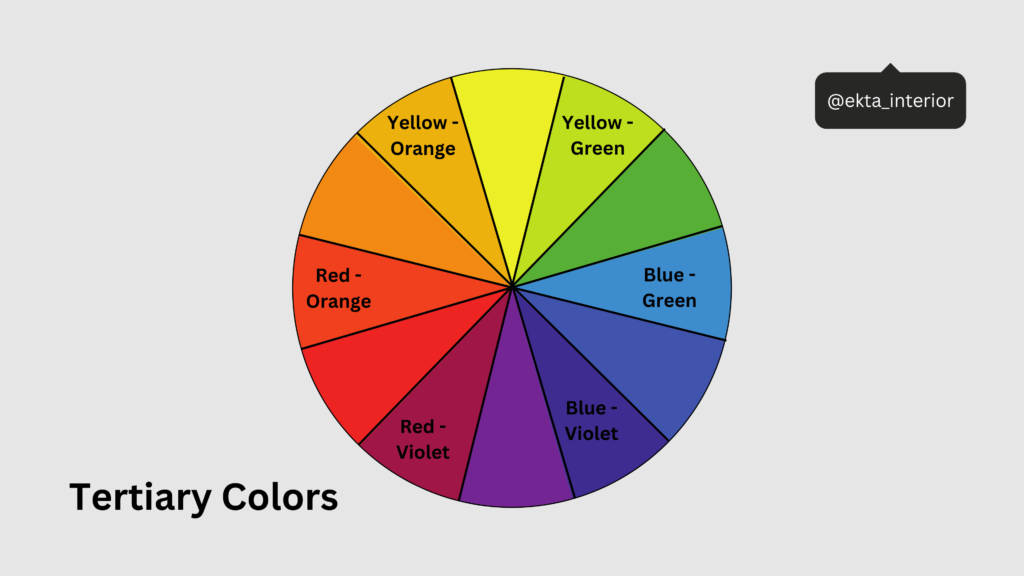
Tertiary colors come from mixing primary and secondary colors, giving you shades like red-orange or blue-green.
This simple structure helps artists understand how colors connect. When you know where a color sits on the wheel, you can predict how it will interact with others.
Design schools teach the color wheel first because it simplifies complex decisions. It becomes your visual map for building harmonious palettes.
Warm and Cool Colors in Color Theory Basics
One of the most practical parts of color theory basics is understanding temperature.
Warm colors include reds, oranges, and yellows. These colors feel energetic, bold, and attention-grabbing. They appear closer to the viewer.
Cool colors include blues, greens, and purples. These feel calm, distant, and soothing.
Interior designers use this principle constantly. A small room painted warm may feel cozy but smaller. A cool-toned room often feels larger and more open.
In digital design, warm colors can guide attention to buttons or important elements. Cool tones create backgrounds that don’t overwhelm the user.
Balancing warm and cool shades prevents visual fatigue.
Color Harmony and Balance in Color Theory Basics
Harmony happens when colors look pleasing together. There are several well-known harmony types.
Complementary colors sit opposite each other on the color wheel. Blue and orange create strong contrast. Red and green do the same.
Analogous colors sit next to each other. For example, blue, blue-green, and green feel smooth and cohesive.
Triadic schemes use three evenly spaced colors, offering vibrant but balanced contrast.
Experienced designers rely on these frameworks daily. They are not rigid rules, but tested systems developed through centuries of artistic study.
Painters from classical eras intuitively understood these relationships, long before digital tools existed.
The Psychology Behind Color Theory Basics
Color influences emotion deeply. This isn’t guesswork; it’s supported by research in psychology and marketing.
Blue often represents trust and stability. That’s why banks and tech companies frequently use it.
Green connects with nature and growth. It’s common in wellness and environmental branding.
Red signals urgency, passion, or excitement.
Yellow suggests optimism and attention.
However, context matters. Cultural backgrounds can change interpretation. In some cultures, white represents purity. In others, it symbolizes mourning.
Understanding emotional associations is a powerful application of Color theory basics in real-world branding.
Value and Contrast in Color Theory Basics
Value refers to how light or dark a color is. Even without changing hue, adjusting value can completely transform a design.
A dark blue and a light blue may share the same hue but feel entirely different.
Contrast helps important elements stand out. Without contrast, designs feel flat and hard to read.
If you convert a colorful image to grayscale and it still looks balanced, your value contrast is working properly.
Professional illustrators constantly check their artwork in black and white to test structure before finalizing colors.
Saturation and Intensity in Color Theory Basics
Saturation measures how vivid or muted a color appears.
Bright, fully saturated colors feel energetic and modern. Muted colors feel subtle and sophisticated.
Overusing highly saturated tones can overwhelm viewers. Strategic desaturation creates breathing space.
In branding, luxury companies often use muted palettes to signal elegance.
Understanding saturation adds another layer of control within Color theory basics.
Applying Color Theory Basics in Digital Design
Modern tools make color selection easier, but the principles remain the same.
Design software includes built-in color wheels and harmony suggestions. However, tools cannot replace understanding.
When designing a website, limit your palette to a few main colors. Too many competing hues reduce clarity.
Use accent colors intentionally. A single bold button stands out more than five different bright elements.
User experience experts emphasize consistency. Repeating colors across pages builds trust and familiarity.
Digital creators who master Color theory basics create designs that feel clean and purposeful.
Real-Life Example: Fixing a Flat Design
Imagine a beginner creating a poster for a school event. They choose random bright colors for text and background.
The result feels chaotic.
Now apply structured principles. Choose a dominant cool background like navy. Add warm orange accents for headlines. Use white for readability.
Suddenly the design feels organized and visually engaging.
This transformation comes directly from understanding relationships rather than guessing.
Common Mistakes Beginners Make in Color Theory Basics
One frequent mistake is relying only on favorite colors. Personal preference doesn’t always equal good harmony.
Another issue is ignoring value contrast. Light gray text on a white background looks stylish but becomes unreadable.
Overusing pure black can also flatten designs. Deep charcoal often looks more refined.
Beginners sometimes use too many saturated colors at once. This reduces visual hierarchy.
Recognizing these errors speeds up improvement.
Nature as the Best Teacher of Color Theory Basics
If you want inspiration, look outside.
Sunsets combine warm oranges with cool purples seamlessly.
Forests blend various greens with earthy browns in balanced proportions.
Flowers often use complementary color schemes naturally.
Photographers study natural lighting to understand color shifts during different times of day.
Nature offers endless examples of balanced palettes rooted in fundamental color relationships.
Building Professional Skill Through Practice
Improvement doesn’t happen overnight.
Try recreating famous paintings to study their palettes.
Experiment with limiting yourself to two or three colors in small projects.
Convert images to grayscale to analyze value before adding color.
Practice adjusting saturation levels in digital artwork.
Over time, your instinct improves because you’ve trained your eye.
Mastering Color theory basics builds confidence in both art and design projects.
Trustworthy Learning and Experience-Based Growth
These principles are not trends. They are taught in accredited art institutions and used by professionals in branding, illustration, architecture, and digital media.
Artists refine their understanding through years of observation and practice.
Designers rely on tested frameworks when creating brand guidelines.
Color relationships have been studied for centuries, from classical painting techniques to modern UX research.
Applying Color theory basics responsibly ensures your work remains both creative and strategically effective.
Color theory basics empower creators to move beyond guesswork and create work that communicates clearly and emotionally. With structured understanding and consistent practice, you gain control over how viewers experience your designs.
As you continue experimenting, you’ll start noticing how subtle color shifts influence mood and meaning. The more you observe and apply these principles, the more intuitive your decisions become.
Color stops being confusing and starts becoming one of your strongest creative tools.
Read also: