

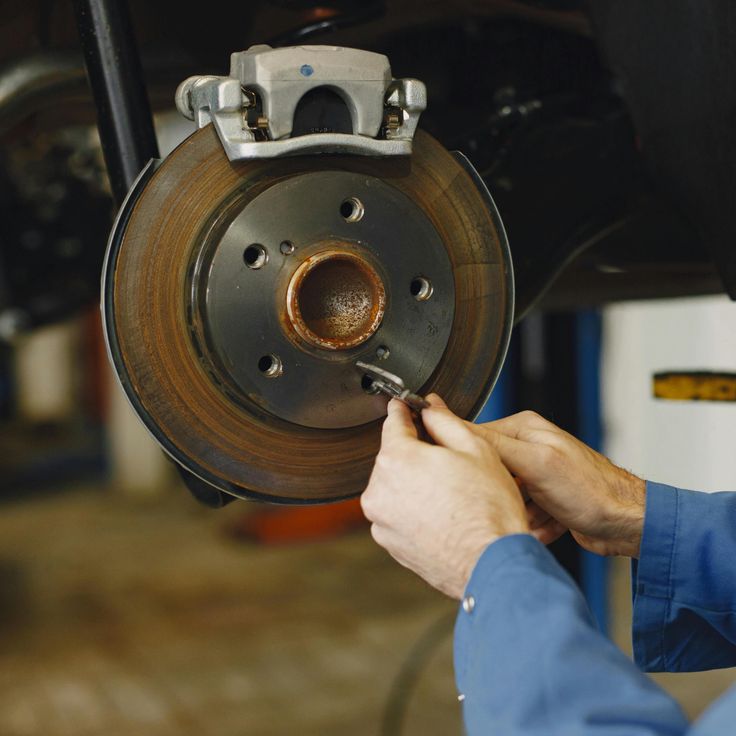
Brake grinding noise diagnosis often begins with a moment of dread, usually when a driver presses the brake pedal and hears an unpleasant metal-on-metal sound.
That noise instantly raises questions. Is it dangerous? Can the car still be driven? Will repairs be expensive? For many drivers, brake sounds are confusing because brakes naturally make some noise over time. The challenge lies in understanding when a sound is harmless and when it signals serious trouble.
This in-depth guide breaks down the real causes of grinding noises, using expert knowledge, real-world scenarios, and practical insights to help drivers make informed decisions before minor issues become major safety risks.
Table of Contents
ToggleWhy Grinding Noises Should Never Be Ignored
Brakes are your car’s most important safety system.
When grinding noises appear, it often means braking components are worn beyond their safe limit. Unlike squeaks, grinding usually indicates direct metal contact, which accelerates damage quickly.
Ignoring grinding sounds risks reduced stopping power and higher repair costs.
A Real Driver Experience With Brake Grinding
A weekend commuter once noticed a faint grinding noise during morning drives.
At first, it disappeared after a few minutes. Months later, braking felt rough, and the noise became constant. The brake pads had worn completely, damaging the rotors and calipers.
What could have been a simple pad replacement turned into a costly brake overhaul.
How Brake Systems Are Designed to Work
Brakes rely on friction.
When you press the pedal, brake pads clamp against rotors to slow the vehicle. This friction creates heat, which components are designed to handle safely.
Problems arise when materials wear unevenly or exceed their service life.
Common Causes of Grinding Brake Noises
Grinding noises usually come from worn parts.
Brake pads contain friction material that eventually wears away. Once gone, the metal backing plate contacts the rotor, producing a harsh grinding sound.
This sound is a clear warning that immediate attention is needed.
Brake Pad Wear Indicators Explained
Many brake pads include wear indicators.
These small metal tabs create noise when pads wear thin. While they often cause squealing, prolonged neglect leads to grinding once pads are fully worn.
Wear indicators are early alerts, not final warnings.
Rotor Damage and Its Role in Grinding Sounds
Rotors must have smooth surfaces.
Scored, warped, or deeply grooved rotors create grinding sensations during braking. Damaged rotors worsen pad wear and reduce braking efficiency.
Once rotors are damaged, resurfacing or replacement becomes necessary.
Caliper Problems That Cause Grinding
Brake calipers hold pads in position.
If calipers seize or slide pins stick, pads may stay in contact with the rotor. This constant contact causes uneven wear and grinding noises.
Caliper maintenance is often overlooked but critically important.
Debris and Rust Between Brake Components
Foreign objects can cause grinding.
Small stones, rust flakes, or debris lodged between pads and rotors produce grinding sounds, especially after driving on rough or wet roads.
While sometimes temporary, persistent debris damage should be inspected.
Brake Grinding Noise Diagnosis for Front vs Rear Brakes
Front brakes wear faster.
Most braking force comes from the front wheels, making front brake grinding more common. Rear brake noises often indicate uneven wear or parking brake issues.
Identifying the location helps narrow the diagnosis.
When Grinding Occurs Only While Braking
Noise during braking points to friction components.
Pads, rotors, or calipers are likely worn or damaged. This is the most common scenario drivers encounter.
Immediate inspection prevents further system damage.
Grinding Noises While Driving Without Braking
This situation signals constant contact.
A stuck caliper or warped rotor may cause grinding even without brake application. Continuous contact generates heat and accelerates wear.
Driving in this condition is unsafe.
Weather-Related Brake Grinding Sounds
Moisture affects brakes.
After rain or overnight humidity, surface rust forms on rotors. This rust can cause brief grinding noises that disappear after braking.
Persistent noise, however, indicates deeper issues.
How Driving Habits Influence Brake Wear
Aggressive driving shortens brake life.
Hard braking, frequent stops, and heavy loads increase friction and heat. Over time, this leads to faster wear and grinding noises.
Smooth driving preserves brake components.
Brake Grinding Noise Diagnosis in Urban Traffic
City driving stresses brakes.
Frequent stop-and-go traffic accelerates pad wear. Grinding noises often appear sooner in urban environments.
Urban drivers should schedule brake inspections more frequently.
Highway Driving and Brake Noise Differences
Highway driving is gentler on brakes.
Less frequent braking allows components to cool. Grinding noises in highway-driven vehicles often indicate severe neglect or component failure.
Noise in these cases deserves urgent attention.
The Role of Brake Hardware and Shims
Hardware matters.
Anti-rattle clips and shims reduce vibration and noise. Missing or damaged hardware can cause grinding or scraping sounds.
Proper installation ensures quiet operation.
DIY Inspection vs Professional Diagnosis
Basic checks help awareness.
Drivers can visually inspect brake pads through wheel openings. However, accurate brake grinding noise diagnosis requires professional tools and experience.
Experts can measure rotor thickness and caliper function accurately.
How Long Can You Drive With Grinding Brakes
The honest answer is not long.
Grinding indicates advanced wear. Continued driving risks brake failure and increases repair costs.
Safety should always outweigh convenience.
Cost Differences Between Early and Late Repairs
Timing matters financially.
Replacing worn pads is affordable. Waiting until grinding damages rotors and calipers multiplies costs.
Early action protects both safety and budget.
Brake Grinding Noise Diagnosis for Older Vehicles
Older vehicles face unique challenges.
Corrosion, worn hardware, and outdated materials increase grinding risks. Preventive maintenance becomes essential.
Age amplifies small issues quickly.
The Impact of Poor-Quality Brake Parts
Not all parts are equal.
Low-quality pads wear faster and produce more noise. Inferior materials increase grinding risk and reduce braking performance.
Quality components ensure longer service life.
Brake Grinding Noise Diagnosis After Brake Replacement
New brakes can still grind.
Improper installation, unlubricated components, or incompatible parts may cause noise. Break-in periods also influence sound.
Persistent grinding after service needs reinspection.
How Heat and Overheating Affect Brakes
Heat changes metal behavior.
Overheated brakes glaze pads and warp rotors, leading to grinding sensations. Heat damage reduces braking efficiency.
Proper cooling and driving habits prevent overheating.
Brake Fluid and Its Indirect Role
Brake fluid supports braking pressure.
Contaminated fluid causes uneven pressure and caliper issues, indirectly contributing to grinding. Fluid maintenance supports overall brake health.
Fluid neglect often hides deeper problems.
Brake Grinding Noise Diagnosis and Safety Risks
Grinding compromises safety.
Reduced stopping power, longer braking distances, and potential brake failure put drivers at risk. Noise is the system’s warning signal.
Listening to brakes saves lives.
Professional Mechanic Insights on Grinding Noises
Experienced mechanics hear grinding daily.
They consistently find worn pads, damaged rotors, or seized calipers as root causes. Their advice emphasizes routine inspections.
Expert knowledge reinforces preventive care.
Seasonal Effects on Brake Wear
Winter accelerates corrosion.
Road salt and moisture increase rust formation, contributing to grinding sounds. Seasonal inspections help catch issues early.
Climate awareness supports brake longevity.
How Technology Helps Modern Brake Diagnosis
Modern vehicles use sensors.
Brake wear sensors and diagnostic systems provide alerts before grinding occurs. Technology supports proactive maintenance.
However, physical inspections remain essential.
Myths About Brake Grinding Sounds
Some drivers believe noise is normal.
While minor squeaks can be harmless, grinding is never normal. Misunderstanding delays repairs.
Accurate knowledge prevents costly mistakes.
Brake Grinding Noise Diagnosis for Long Trips
Road trips magnify brake stress.
Continuous driving with worn brakes increases failure risk. Pre-trip inspections prevent breakdowns.
Prepared vehicles ensure safer journeys.
Trusting Your Instincts as a Driver
Drivers know their cars.
New or unusual sounds should never be ignored. Instinctive concern often signals real issues.
Listening builds safer habits.
Long-Term Benefits of Proper Brake Maintenance
Maintenance builds reliability.
Well-maintained brakes last longer, perform better, and stay quieter. Grinding becomes rare with consistent care.
Preventive maintenance pays off.
Brake Grinding Noise Diagnosis That Protects Lives
Understanding brake grinding noise diagnosis empowers drivers.
When noise appears, knowledge guides action. Early diagnosis prevents damage, protects safety, and reduces stress.
Brakes speak through sound, and grinding is their loudest warning. Acting promptly transforms a frightening noise into a manageable repair and keeps every journey safer.