

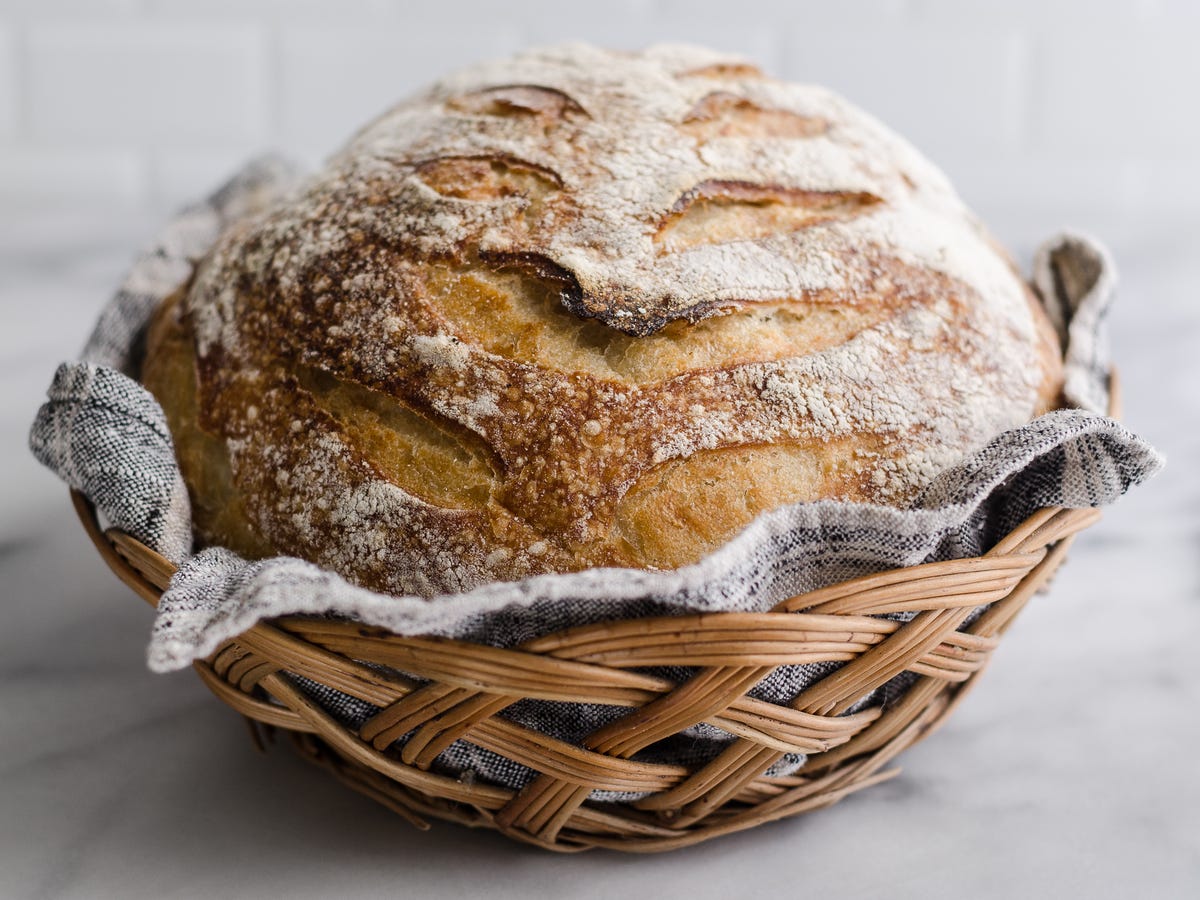
Artisanal sourdough bread has a charm that transcends ordinary bakery loaves. Its crisp crust, airy crumb, and tangy flavor make it a staple for home bakers and professional chefs alike. If you’ve ever bitten into a slice of truly handcrafted sourdough, you know it’s not just food—it’s an experience.
Sourdough isn’t just about mixing flour and water. It’s about patience, technique, and understanding the delicate balance of wild yeast and lactic acid bacteria. Every loaf tells a story of time, care, and passion. For those ready to elevate their baking game, mastering artisanal sourdough bread is both an art and a rewarding journey.
Understanding the Magic of Artisanal Sourdough Bread
What sets artisanal sourdough bread apart is its natural fermentation. Unlike commercial yeasts, sourdough relies on a starter—a living culture of flour and water—to leaven the bread. This slow fermentation process develops complex flavors and improves digestibility.
Many bakers find the first attempts challenging, but once you understand the rhythms of feeding your starter, timing your proof, and controlling the oven environment, the process becomes intuitive. The tangy aroma that fills the kitchen during baking is a reward in itself, a small celebration of your craft.
The Starter: Heart of Your Artisanal Sourdough Bread
Every exceptional artisanal sourdough bread begins with a strong, active starter. Creating one from scratch is surprisingly simple but requires dedication. Mix equal parts flour and water, and allow it to ferment at room temperature. Over days, wild yeast and bacteria transform this mixture into a lively, bubbly culture ready to raise your dough.
Many bakers swear by using whole-grain flours for the initial starter. The richer nutrient content accelerates microbial activity, producing a more flavorful and robust starter. Once established, a starter can last indefinitely with regular feedings, making it a lifelong baking companion.
Choosing the Right Flour for Your Loaves
The foundation of artisanal sourdough bread is the flour. Bread flour, with its higher protein content, provides strong gluten development, which supports the open crumb structure sourdough is known for. Some bakers blend whole wheat, rye, or spelt to introduce earthy flavors and subtle complexity.
Experimenting with flour ratios is part of the artistry. A touch of rye can enhance fermentation speed, while whole wheat adds depth to the flavor profile. The beauty of sourdough is its adaptability—you can craft a loaf uniquely suited to your taste and style.
Hydration and Its Impact on Texture
Hydration—the ratio of water to flour—plays a critical role in artisanal sourdough bread. Higher hydration doughs yield open, airy crumbs, while lower hydration creates a tighter, more structured texture. Managing hydration requires intuition: the dough should feel elastic and slightly sticky but manageable for shaping.
Many novice bakers fear sticky doughs, but embracing the moisture is essential. Stretching, folding, and gentle handling develop gluten without tearing. This patience and touch differentiate casual baking from the craftsmanship that defines artisanal loaves.
Mastering the Art of Folding and Shaping
Shaping your dough is where the magic of artisanal sourdough bread becomes visible. Gentle folds during bulk fermentation strengthen the gluten network while preserving gas bubbles, essential for that characteristic airy crumb.
Bakers often describe shaping as meditative. The tactile connection to the dough offers both a challenge and satisfaction. A well-shaped loaf, left to proof, grows elegantly, ready for the transformative heat of the oven.
Proofing: Timing Is Everything
Patience is the most crucial ingredient in artisanal sourdough bread. Proofing, the final rise before baking, allows the dough to develop flavor, structure, and the ideal elasticity. Under-proofed dough lacks volume, while over-proofed dough collapses.
Temperature, humidity, and starter activity all influence proofing times. Many bakers use the “poke test”: a gentle press with a fingertip should leave a slight indentation that slowly springs back. Mastering this technique ensures consistently excellent loaves.
Baking Techniques for a Perfect Crust
Baking transforms your carefully nurtured dough into edible art. Steam is key for a crisp, golden crust, so many bakers use Dutch ovens or misting techniques. The high initial temperature encourages oven spring, giving the loaf its signature height and crackling crust.
A well-baked artisanal sourdough bread is aromatic, with a caramelized crust and tender interior. Listening to the hollow tap after baking is a small but thrilling moment—it confirms a perfectly baked loaf.
Flavor Profiles: Tangy, Nutty, and Complex
One of the most enchanting aspects of artisanal sourdough bread is its flavor depth. The slow fermentation creates natural acids, giving sourdough its tangy note. The choice of flour, fermentation duration, and hydration all influence the flavor.
Some bakers enjoy the mild tang of white flour sourdough, while others prefer robust whole grain blends. A well-fermented loaf balances sourness with sweetness and a subtle nuttiness, offering a complex flavor experience unmatched by commercial bread.
Pairing Artisanal Sourdough Bread with Foods
Serving artisanal sourdough bread elevates any meal. Its tang and texture complement cheeses, cured meats, and fresh produce. Toasted slices pair beautifully with avocado, soft cheeses, or even a drizzle of honey.
For many, sourdough is more than a side—it becomes the star. A fresh loaf on a family table invites conversation, slows the pace, and transforms simple meals into memorable experiences.
Maintaining Your Sourdough Starter
A thriving starter is the lifeblood of artisanal sourdough bread. Consistent feeding schedules, proper hydration, and attention to environmental conditions keep it active. Some bakers refrigerate starters for convenience, reviving them with a few feedings before baking.
The connection to your starter can feel personal. Many bakers name their cultures, tracking growth and flavor changes over time. It’s more than a mixture of flour and water—it’s a living partner in the craft of breadmaking.
Embracing the Learning Journey
Making artisanal sourdough bread isn’t about perfection—it’s about growth and discovery. Each loaf teaches a lesson, from shaping challenges to flavor adjustments. The joy comes not just from eating the bread but from understanding the process and seeing tangible results of your effort.
Baking sourdough can feel like a dance between science and intuition. Over time, bakers develop a sense of rhythm, understanding their starter, dough behavior, and the influence of environmental factors. This knowledge becomes a personal language, unique to each kitchen and each baker.
Community and Sharing
The world of artisanal sourdough bread is rich with community. Online forums, local baking clubs, and social media groups provide tips, inspiration, and shared stories. Many bakers find encouragement in comparing results, troubleshooting challenges, and celebrating achievements together.
Sharing a freshly baked loaf is an expression of care and connection. From gifting neighbors to hosting brunches, sourdough becomes a medium to connect, bridging culinary art and human experience.
Innovations and Contemporary Twists
Even traditional artisanal sourdough bread evolves. Bakers experiment with flavors, adding ingredients like olives, herbs, seeds, or dried fruits. Each variation brings a new texture, aroma, and taste to the table while preserving the essence of sourdough craftsmanship.
Innovation doesn’t replace tradition—it enhances it. A creative baker respects fermentation techniques and starter health while exploring new possibilities, keeping the art form vibrant and relevant in modern kitchens.
Read also: