

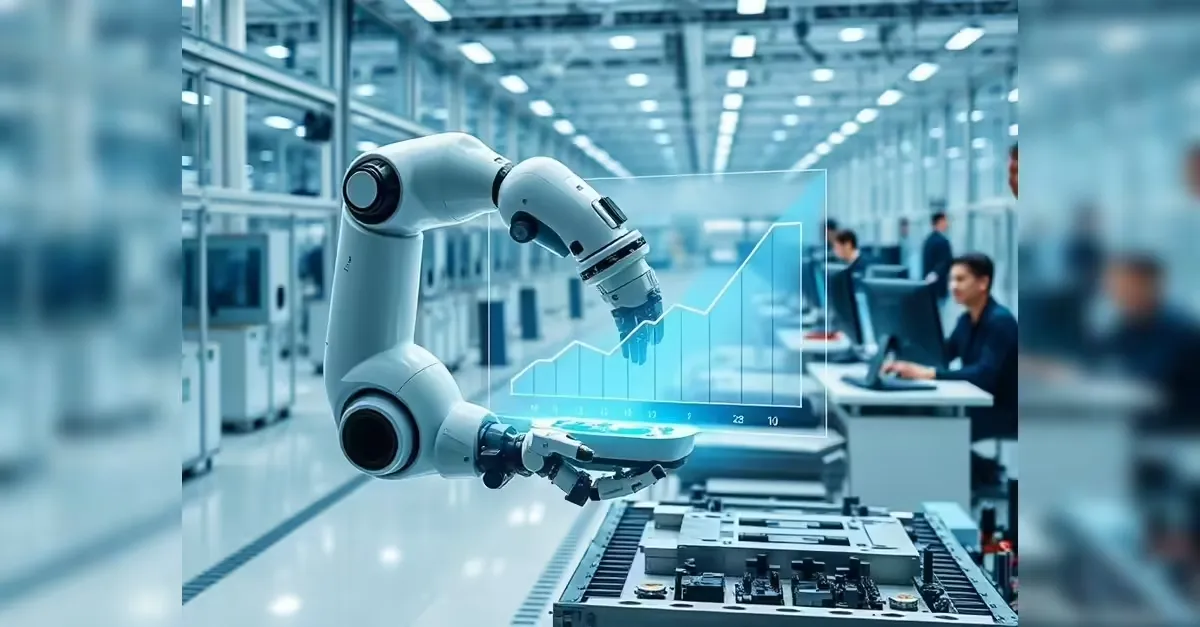
AI-powered automation is no longer a futuristic concept reserved for science fiction novels or high-budget laboratory experiments. Today, it serves as the heartbeat of modern digital transformation, helping businesses of all sizes navigate an increasingly complex global market. If you have ever felt overwhelmed by repetitive tasks that seem to swallow your workday, you are already looking for the solutions these intelligent systems provide. This technology represents a significant leap from the basic automated scripts of the past, offering a blend of machine learning and data processing that mimics human decision-making.
The beauty of this technology lies in its ability to handle nuance and variability that traditional software simply cannot touch. Imagine a system that doesn’t just move data from point A to point B but actually understands the context of that data. When a customer sends an email expressing frustration, an intelligent system can identify the sentiment, prioritize the message for a human agent, and even suggest a personalized resolution. This is the practical reality of how smart systems are being integrated into our daily professional lives to create more space for creative and strategic thinking.
The Evolution of AI-powered automation in Modern Business
To understand where we are going, we must first look at how far we have come from the early days of simple task management. In the beginning, automation was rigid and relied entirely on “if-then” logic, which meant that any slight deviation in a process would cause the whole system to break. You might remember the frustration of a software program crashing because a single field in a spreadsheet was formatted incorrectly. Those days are rapidly fading into the distance as we embrace a much more flexible approach to technological assistance.
Modern systems now utilize neural networks and natural language processing to learn from the environments they operate within. This shift means that the software becomes more efficient the more it is used, identifying patterns that a human eye might miss over thousands of transactions. For instance, in the world of logistics, these systems can predict potential delays caused by weather or port congestion before they even happen. By analyzing historical data alongside real-time updates, the software suggests alternative routes to keep the supply chain moving smoothly without constant human intervention.
This evolution has also changed the way we view the relationship between humans and machines in the office. We are moving away from the fear that technology will replace people and moving toward a collaborative model known as augmented intelligence. In this scenario, the machine handles the heavy lifting of data crunching and repetitive entry, while the human focuses on empathy, complex problem-solving, and relationship building. It is a partnership that allows professionals to operate at their highest potential rather than being bogged down by the mundane.
Why AI-powered automation is the Secret to Sustainable Growth
For any business looking to scale, the primary challenge is usually the limitation of human hours and the high cost of manual errors. AI-powered automation solves this by providing a scalable framework that grows alongside your ambitions without requiring a proportional increase in overhead. When you implement these systems, you are essentially building a digital workforce that operates twenty-four hours a day without fatigue. This consistency is vital for maintaining quality standards as your volume of work increases.
Consider the financial sector, where precision is not just a preference but a strict regulatory requirement. Banks are now using intelligent systems to monitor millions of transactions for fraudulent activity in real-time. A human team could never keep up with that volume, but an intelligent algorithm can flag suspicious patterns in milliseconds. This level of protection allows the institution to grow its customer base safely, knowing that their security infrastructure is capable of handling the load.
Beyond security, these tools are revolutionizing the way companies interact with their clients through hyper-personalization. Marketing teams can now use automated systems to analyze a customer’s browsing history and past purchases to deliver incredibly relevant recommendations. Instead of sending out a generic blast email to thousands of people, the system crafts individual messages that resonate with each person’s unique needs. This leads to higher conversion rates and a much stronger sense of brand loyalty among the target audience.
Real-World Applications Across Diverse Industries
In the healthcare industry, the stakes for efficiency and accuracy are higher than almost anywhere else. Doctors and nurses are often stretched thin, spending a significant portion of their shifts on administrative documentation rather than direct patient care. By introducing intelligent systems, medical facilities can automate the scheduling of appointments and the updating of electronic health records. This gives medical professionals more time to focus on diagnosis and treatment, which directly improves patient outcomes and reduces burnout among staff.
Manufacturing has also seen a dramatic shift through the use of predictive maintenance powered by intelligent algorithms. Sensors on the factory floor collect data on heat, vibration, and speed, feeding it into a central system that can predict when a machine is likely to fail. Instead of waiting for a breakdown to occur—which causes expensive downtime—the system schedules a repair during a planned lull in production. This proactive approach saves companies millions of dollars in lost productivity and repair costs every single year.
The legal profession, often seen as traditional and slow to change, is also finding incredible value in these tools. Law firms deal with thousands of pages of documents during the discovery phase of a case, a process that used to take weeks of manual labor by junior associates. Now, intelligent software can scan these documents for specific keywords, legal concepts, or inconsistencies in a fraction of the time. This doesn’t replace the lawyer’s judgment, but it ensures they are working with the most relevant information from the very start of the case.
Building Trust Through Expertise and Authoritativeness
When we talk about handing over critical business processes to software, the conversation must inevitably turn to trust and reliability. It is essential to work with platforms that prioritize data security and transparency in how their algorithms make decisions. This is where the concept of “Explainable AI” becomes important, as it allows human supervisors to understand the logic behind a machine’s recommendation. Without this transparency, it is difficult for leadership teams to fully commit to a digital transformation strategy.
Expertise in this field isn’t just about having the latest software; it’s about understanding the specific workflows of your industry. A retail-focused automation tool will have very different requirements than one designed for a chemical engineering firm. Therefore, the most successful implementations are those led by individuals who understand both the technology and the human elements of the business. You need a clear roadmap that identifies which tasks are ready for a digital upgrade and which ones still require the nuanced touch of a human expert.
Authoritativeness in the world of intelligent systems is built over time through consistent results and a commitment to ethical standards. As these tools become more prevalent, there is a growing responsibility to ensure they are used in a way that is fair and unbiased. This means regularly auditing the data sets used to train the machines to ensure they aren’t inadvertently picking up human prejudices. A trustworthy system is one that is built on clean, representative data and is subject to regular human oversight to ensure it stays on the right track.
Overcoming the Hurdles of Implementation
One of the biggest obstacles to adopting AI-powered automation is the initial fear of technical complexity. Many business owners worry that they don’t have the in-house expertise to manage such a sophisticated system. However, the market has responded to this concern by developing low-code and no-code platforms that are much more accessible to the average professional. You no longer need a PhD in computer science to set up a workflow that connects your CRM to your accounting software and your email marketing platform.
Another common challenge is the resistance to change from employees who may feel threatened by the introduction of new technology. To navigate this, it is crucial to foster a culture of continuous learning and to communicate the benefits clearly to the entire team. Show your staff how the new tools will take away the parts of their jobs they find most boring or stressful. When employees see that the technology is there to support them rather than replace them, they are much more likely to embrace the transition and find creative ways to use it.
Data silos also represent a significant hurdle for many organizations trying to modernize their processes. If your information is trapped in different departments that don’t talk to each other, even the smartest AI will struggle to be effective. A successful rollout often starts with a thorough cleaning of your data and the creation of a unified system where information can flow freely. This preparation phase might take some time, but it is the foundation upon which all future efficiency will be built.
The Impact on Customer Experience and Satisfaction
In our modern, fast-paced economy, customers have come to expect instant gratification and seamless interactions. AI-powered automation is the primary engine driving this shift in consumer expectations. When a person reaches out to a brand, they don’t want to wait forty-eight hours for a response; they want an answer right now. Intelligent chatbots and automated support portals can handle the vast majority of common questions instantly, leaving the complex issues for human representatives to solve with care.
This speed doesn’t have to come at the expense of a personal touch, which is a common misconception about automated systems. By using the data at its disposal, an intelligent system can remember a customer’s preferences and past issues better than any human could. When that customer calls in, the agent already has a full history of their interactions, allowing them to provide a much more empathetic and personalized experience. It creates a feeling that the company truly knows and values the individual, even as it serves millions of others.
Furthermore, these tools can help brands stay ahead of customer needs by identifying trends before they become obvious. By analyzing social media mentions, review sites, and direct feedback, a company can spot a growing demand for a new feature or a common complaint about a specific product. This allows the business to be proactive rather than reactive, making changes that delight customers before they even have a chance to get frustrated. It is a level of agility that was simply impossible before the advent of these smart systems.
Navigating the Ethical Landscape of Intelligent Systems
As we lean more heavily on AI-powered automation, we must also be mindful of the ethical implications of these choices. Privacy is a major concern for consumers, who are increasingly aware of how much of their personal data is being collected and analyzed. Businesses must be transparent about what data they are using and how it is being protected. Implementing robust encryption and adhering to global privacy standards like GDPR is not just a legal requirement but a fundamental part of building trust with your audience.
There is also the question of accountability when a mistake is made by an automated system. If an algorithm incorrectly denies a loan application or miscalculates a shipping cost, who is responsible? This is why the “human-in-the-loop” model is so essential for ethical business practices. There should always be a clear path for a person to review and override a machine’s decision if something doesn’t look right. Keeping humans at the center of the process ensures that the technology serves our values rather than the other way around.
Finally, we must consider the long-term impact on the workforce and society as a whole. While these tools create new opportunities and eliminate boring tasks, they also require a shift in the skills that are valued in the marketplace. Companies have a role to play in providing training and upskilling opportunities for their employees to ensure no one is left behind. By investing in the people as much as the technology, businesses can create a sustainable future where everyone benefits from the increased productivity and innovation that intelligence brings.
Practical Steps for Starting Your Automation Journey
If you are ready to explore the world of AI-powered automation, the best advice is to start small and focus on a single pain point. Don’t try to overhaul your entire company overnight, as that often leads to confusion and frustration. Instead, look for a process that is high-volume, repetitive, and prone to human error. This could be something as simple as processing invoices or managing your social media posting schedule. Once you see success in one area, you will have the confidence and the data to expand your efforts elsewhere.
Choosing the right partners is also a critical step in the process of digital transformation. Look for software providers that offer excellent support and a clear track record of success in your specific industry. It is also helpful to join professional communities or attend webinars where you can learn from others who have already gone through the transition. Hearing about their challenges and triumphs can provide you with invaluable insights and help you avoid common pitfalls.
As you begin to see the results of your efforts, make sure to measure your success using clear metrics. This might include hours saved, a reduction in error rates, or an increase in customer satisfaction scores. Having this data will allow you to prove the return on investment to stakeholders and justify further expansion of your intelligent systems. Remember that this is a journey rather than a destination, and the technology will continue to evolve. Stay curious, stay flexible, and keep looking for new ways to let technology handle the heavy lifting while you focus on the vision for your company’s future.