

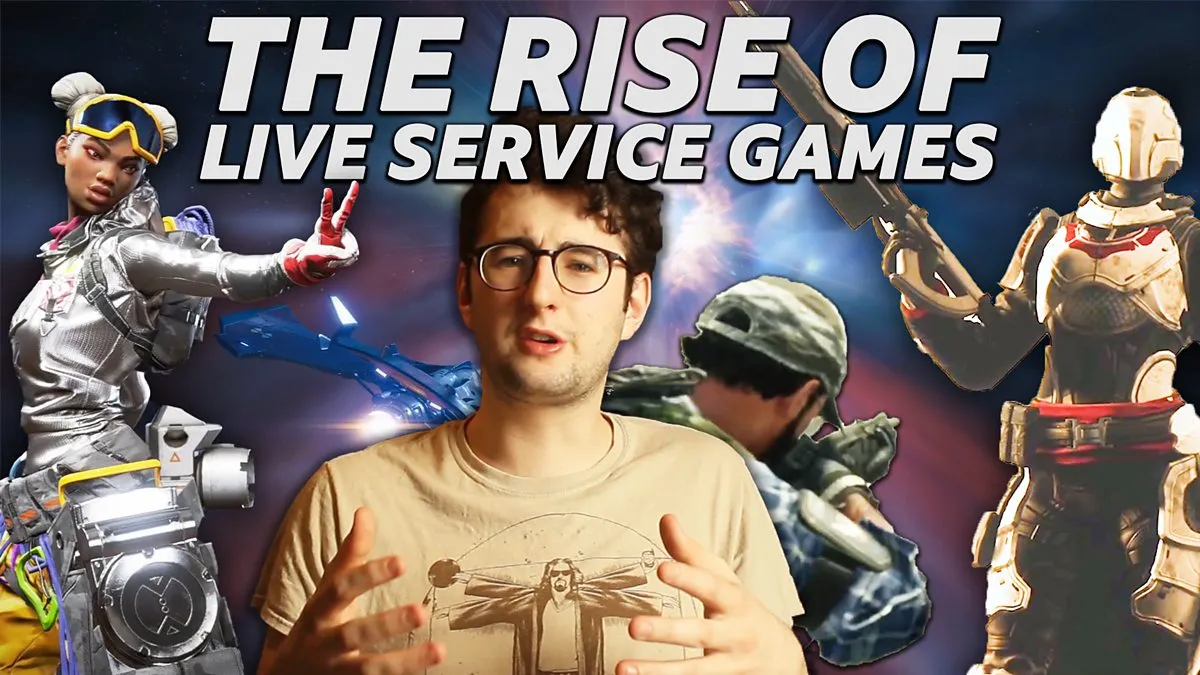
Live service games have fundamentally changed the way we perceive interactive entertainment, shifting the industry from a product-based model to an ongoing, evolving experience. I remember the days of the early 2000s when buying a game meant walking into a physical store, picking up a plastic box, and owning a finished piece of software that would never change. Once the credits rolled, that was it. Today, the landscape is unrecognizably different. When you download a modern title, you aren’t just buying a game; you are entering a digital ecosystem designed to grow, shift, and persist for years, sometimes even decades.
This transition toward “games as a service” was born from a need for sustainability in an era where development costs were skyrocketing. Developers realized that instead of betting everything on a single launch day, they could build a platform that stays relevant through regular content drops. This model allows for a unique dialogue between the creator and the consumer that was previously impossible. If a mechanic isn’t working, it gets patched. If the community asks for a specific feature, it might appear in the next season. It is a living, breathing form of media that never truly sleeps.
I have a friend named Mark who has played the same tactical shooter for nearly seven years. He often talks about how the game he plays today bears almost no resemblance to the version he installed back in 2017. Maps have been reworked, new characters have completely shifted the competitive meta, and the narrative has unfolded in real-time through limited-time events. For Mark, the game isn’t a disc on a shelf; it is a hobby, a social club, and a consistent part of his daily routine. This deep player retention is the holy grail for modern publishers.
The magic of this model lies in its ability to keep a community united over vast periods. In the past, sequels often split player bases, leaving older games to wither away as everyone moved to the next big thing. Live service games solve this by keeping everyone on the same version of the software, constantly refreshing the experience to prevent stagnation. Whether it is a new “Battle Pass,” a holiday-themed festival, or a massive expansion that overhauls the graphics, there is always a reason for lapsed players to return and for active players to stay engaged.
Why live service games are dominating the market
The economic reality of the modern gaming industry is a primary driver behind the surge of these titles. Traditional single-player games, while often artistic masterpieces, are “one and done” revenue events. Once a player finishes the story, they rarely spend more money on that specific title. In contrast, an ongoing service provides a steady stream of income through microtransactions, subscriptions, and cosmetic sales. This financial stability allows studios to keep hundreds of people employed on a single project for years, providing a level of polish and scale that was once unthinkable.
From a player’s perspective, the value proposition is often incredible. Many of the most successful titles in this genre are “Free to Play,” meaning anyone with a console or PC can jump in without any upfront cost. This lowers the barrier to entry to zero, allowing games to amass tens of millions of users in a matter of weeks. The monetization usually focuses on optional items that don’t affect gameplay, ensuring that the competition remains fair. You might pay ten dollars for a cool new outfit for your character, but that outfit won’t help you win the match.
However, maintaining a successful service is one of the most difficult feats in software engineering and creative management. It requires a “content treadmill” that never stops. If a developer goes too long without an update, the community quickly becomes restless and moves on to the next shiny thing. This pressure can lead to “crunch” culture and developer burnout if not managed correctly. The most successful studios are those that have mastered the art of sustainable development, balancing major content releases with smaller, automated events to keep the game feeling fresh.
Technical debt is another silent predator in the world of ongoing games. When you keep adding new features to an old engine, things eventually start to break. We have seen instances where developers had to literally delete old parts of their game to make room for new ones, a process often called “vaulting.” This is a controversial move among fans who have invested time and money into that content. Navigating these technical limitations while keeping the player base happy is a delicate balancing act that requires transparent communication and expert leadership.
The future of live service games and player retention
The next frontier for these digital worlds is the integration of user-generated content. We are seeing more titles provide players with the tools to create their own maps, game modes, and even entire mini-games within the main platform. This effectively turns the community into a secondary development team, ensuring an infinite supply of new things to do. When players feel a sense of ownership over the world they inhabit, their loyalty to that game becomes nearly unshakable. It transforms the experience from a consumption-based one to a creative one.
Artificial Intelligence is also poised to play a massive role in how these games evolve. Imagine a world where the non-player characters (NPCs) remember your previous interactions and change their dialogue accordingly, or a system that generates unique quests on the fly based on your playstyle. This level of personalization would make every player’s journey feel truly unique, further deepening the immersion. The goal is to move away from scripted, repetitive tasks and toward a world that feels genuinely reactive to human presence.
The concept of the “Metaverse” is often linked to the evolution of live service games. These platforms are becoming much more than just places to compete; they are becoming venues for virtual concerts, movie premieres, and digital hangouts. During the global lockdowns of 2020, many people used these games as their primary social outlet. They weren’t just “playing a game”; they were “going to a place” to be with their friends. This social glue is what makes these ecosystems so resilient to competition. You don’t leave a game just because a better one comes out; you stay because that’s where your friends are.
Cross-platform play and cross-progression are now industry standards thanks to the push from these titles. The idea that you can start a match on your PC during your lunch break and finish it on your phone while commuting home was a pipe dream a decade ago. Now, it is expected. This seamless integration into our daily lives makes these games incredibly “sticky.” They are accessible whenever and wherever you have a spare ten minutes. This ubiquity is a powerful tool for maintaining a high daily active user count.
We must also talk about the “Redemption Arc” phenomenon. Because these games can be updated, a rocky launch is no longer a death sentence. We have seen titles that were universally panned at release transform into some of the most beloved games in the world through years of dedicated updates. This “never give up” attitude from developers has built a new kind of trust with the community. Players are often willing to stick with a flawed game if they believe the developers are genuinely committed to fixing it and listening to feedback.
Ethical monetization remains one of the most hotly debated topics in this space. While “pay-to-win” mechanics are generally rejected by the community, other tactics like “loot boxes” or “fear of missing out” (FOMO) triggers are scrutinized heavily. Transparent developers who share their roadmaps and are honest about why they are charging for certain items tend to fare much better in the court of public opinion. Trust is a fragile resource in the digital age, and once a community feels exploited, it is very difficult to win them back.
The sheer variety of genres adopting the live service model is also quite staggering. What started with MMORPGs and shooters has now spread to racing games, sports titles, and even cozy life simulators. Almost any experience that can benefit from social interaction or a sense of progression is being adapted into this format. It allows for a more “niche” approach to game design, where a developer can cater to a specific, highly engaged audience for a long period rather than trying to appeal to everyone at once for a single month.
From a technical standpoint, the rise of cloud gaming could be the ultimate catalyst for the next generation of services. If the hardware requirements are handled by a remote server, developers can create worlds that are infinitely more complex and populated than what a home console can handle. We are looking at a future where thousands of players could inhabit the same persistent city, with every action having a permanent effect on the environment. This level of scale would truly fulfill the promise of a “living world.”
The storytelling in live service games has also had to evolve. Traditional narratives have a climax and a conclusion, but a live service narrative must be open-ended. This has led to “seasonal storytelling,” where each few months brings a new chapter in an overarching plot. It is similar to a long-running television show, with cliffhangers and character arcs that keep fans theorizing and discussing the lore on forums and social media. This “passive engagement” keeps the game on the player’s mind even when they aren’t actively playing.
Community management has become one of the most vital roles in a modern studio. These professionals act as the bridge between the developers and the players, translating raw data and heated forum posts into actionable feedback. A good community manager can turn a PR crisis into a moment of connection, while a bad one can accidentally set a community on fire. It requires a high level of empathy and a thick skin, as the passions of a dedicated player base can be intense.
Data analytics is the silent engine that powers these digital worlds. Developers track everything from which weapons are being used the most to where players are getting stuck in a level. This data allows for “surgical” balance changes that keep the game fair and fun. However, there is a risk of over-reliance on data. If a game is designed solely by numbers, it can lose its soul and its creative spark. The best games are those that use data to inform decisions but allow human intuition and creativity to lead the way.
The environmental impact of these persistent worlds is an emerging topic of conversation. Running massive server farms 24/7 requires an immense amount of energy. As the industry moves toward a more sustainable future, we are seeing more companies commit to carbon-neutral goals and energy-efficient coding practices. Being a “good” service provider in the modern world means taking responsibility for the physical footprint of your digital product.
Consumer protection laws are also beginning to catch up with the fast-paced world of digital services. Issues like “digital ownership” and what happens to a player’s investment if a game is shut down are being debated in courts around the world. These legal frameworks will eventually shape how games are sold and maintained, likely leading to more rights for the consumer. It is a necessary evolution for a medium that has become such a significant part of our cultural and financial lives.
I often think about the “legacy” of these games. When a traditional game is no longer sold, you can still play it on an old console. But when a live service game is shut down, it is gone forever. This has sparked a massive movement for “game preservation,” with fans trying to find ways to keep their favorite worlds alive after the official servers go dark. It highlights the deep emotional connection we have with these spaces. They aren’t just software; they are memories, and losing them feels like losing a piece of our personal history.
Navigating the world of online games requires a certain level of “digital literacy.” Players need to understand the value of their time and money and be aware of the psychological tricks used to keep them engaged. At its best, this hobby provides a sense of community, a platform for skill development, and a window into incredible new worlds. At its worst, it can become a repetitive chore that feels more like a second job. Finding that balance is a journey every modern gamer must take.
The collaborative nature of these games is perhaps their most beautiful trait. Whether it is a group of forty people working together to take down a massive boss or a duo coordinating perfectly to win a match, these games encourage us to communicate and cooperate. In a world that can often feel divided, these virtual spaces provide a common ground where people from all walks of life can work toward a shared goal. That sense of collective achievement is a powerful motivator.
As we move forward, the definition of what a “game” is will continue to blur. We are entering an era of total digital immersion, where the lines between play, work, and social life are increasingly porous. The developers who succeed will be those who remember that at the end of every data point is a human being looking for connection, challenge, and a bit of magic. The service model isn’t just about revenue; it is about building a lasting relationship with an audience and taking them on a journey that never truly has to end.
The landscape of interactive media is vast and full of potential. Every new update is an opportunity to learn something new about our players and ourselves. By embracing the evolving nature of this medium, we can create experiences that are truly transformative. It is an exciting time to be a part of this industry, whether you are a creator or a player. The world is changing, the game is changing, and the best is surely yet to come.
Ultimately, the success of any ongoing game comes down to its core “loop”—the basic activity that players do over and over again. If that loop isn’t fundamentally fun, no amount of updates or flashy cosmetics will save it. You can’t polish a dull experience into a bright one just by adding features. The most resilient titles are those that have a rock-solid foundation of play that remains satisfying even after hundreds of hours. That is the secret sauce that separates a flash-in-the-pan trend from a decade-long phenomenon.
As you dive into your next digital adventure, take a moment to appreciate the incredible amount of work and passion that goes into keeping these worlds spinning. From the engineers keeping the servers running at 3 AM to the artists painting every individual leaf on a virtual tree, it is a monumental human effort. These games are a testament to our desire to create, to share, and to keep moving forward. So, grab your controller, find your squad, and get ready for the next season. The world is waiting for you.
Read also :-
| young18gye |
| miofragia |
| qapoxerfemoz |