

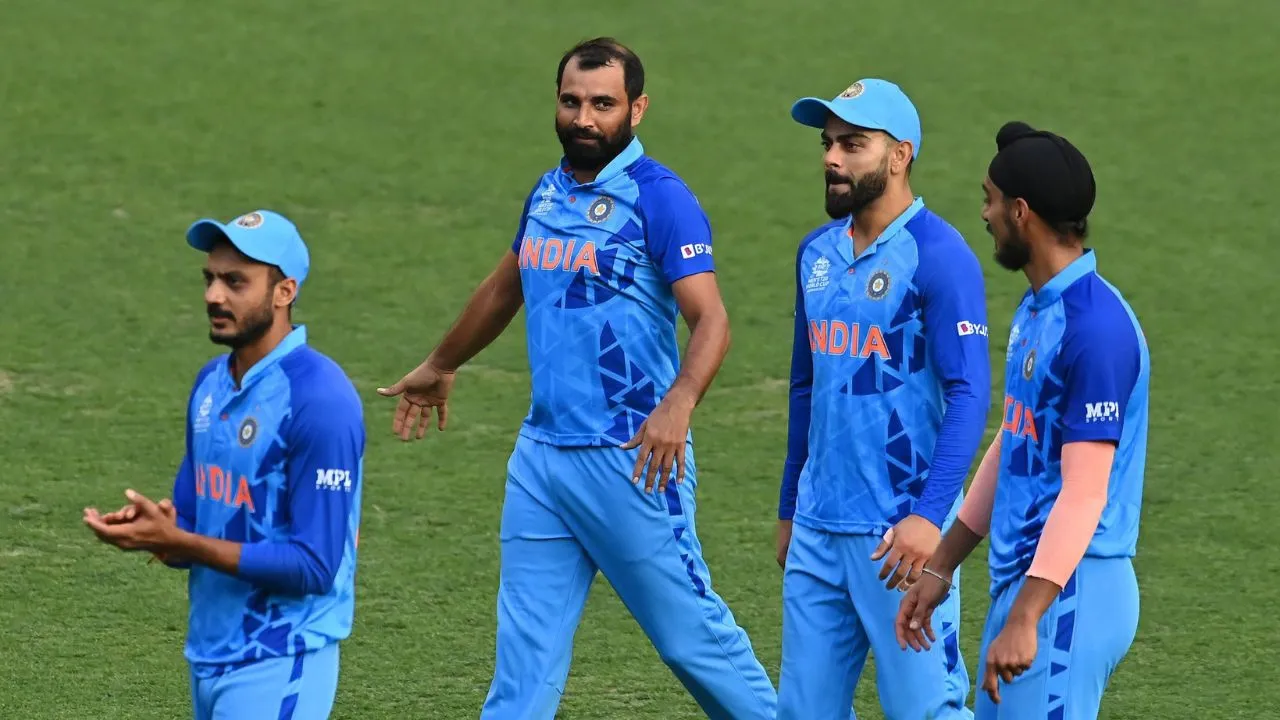
Death Over Bowling Plans are the ultimate test of a cricketer’s nerves and tactical intelligence, especially when sixty thousand fans are screaming and the game is on the line. There is a unique, almost palpable tension that settles over a stadium during the final four overs of a limited-overs match. The margin for error shrinks to the width of a coin, and a single misplaced delivery can be the difference between a heroic victory and a heartbreaking defeat. For a bowler, this is the most lonely yet exhilarating place to be, standing at the top of a long mark while the world’s most dangerous finishers stare back with aggressive intent.
Successfully navigating these final moments requires more than just raw pace or a tricky action; it requires a deep understanding of the geometry of the field and the psychology of the batter. A bowler must be a mathematician, a psychologist, and an elite athlete all at once. They have to calculate the wind direction, the length of the boundaries, and the likely “hitting zone” of the person holding the bat. It is a high-stakes chess match played at a hundred miles per hour, where the goal is not just to take wickets but to drain the oxygen out of the batting side’s momentum.
We have seen legendary figures like Lasith Malinga and Jasprit Bumrah turn this into a refined science. Their ability to remain calm while the stadium erupts around them is what separates the greats from the average. They don’t just run in and hope for the best; they follow a scripted yet flexible set of instructions that they have practiced for thousands of hours in the nets. This level of preparation is the foundation of any successful defense of a total, ensuring that the team stays in control even when the batter is looking to go over the ropes.
The modern game has become increasingly difficult for bowlers, with shorter boundaries, thicker bats, and innovative shots like the ramp and the reverse-sweep. However, this has only made the strategic side of the game more fascinating. A bowler who can outthink a batter is often more valuable than one who can simply bowl fast. By mixing up the pace, changing the angle of delivery, and using the width of the crease, a bowler can create a sense of uncertainty that forces the batter into making a mistake.
Executing Death Over Bowling Plans with Precision
The most iconic weapon in any set of Death Over Bowling Plans is undoubtedly the yorker. When executed perfectly, a yorker is almost impossible to hit for a boundary because it lands exactly at the batter’s toes, leaving no room for a swing of the bat. However, the risk is incredibly high; if the bowler misses the length by just a few inches, it becomes a low full-toss or a “slot” ball that can easily be dispatched into the stands. This is why the best death bowlers spend a significant portion of their training time aiming at a single shoe or a plastic bottle placed on the popping crease.
In recent years, the “wide yorker” has emerged as an equally effective alternative to the traditional straight version. By targeting a spot just inside the wide-line, the bowler forces the batter to reach for the ball, taking away their power and making it difficult to find the middle of the bat. This tactic is particularly effective against “power hitters” who prefer the ball to be in their arc. When a batter has to stretch, they lose their base and their balance, often resulting in a mistimed shot that finds a fielder in the deep.
Another essential element is the use of change-of-pace deliveries. The “knuckleball” and the “back-of-the-hand” slower ball have become staples of the modern game because they look identical to a fast delivery until the very last moment. If a batter has already committed to a big swing, the slight delay in the ball’s arrival causes them to play through the shot too early. This deception is the ultimate tool for a bowler, as it turns the batter’s own aggression against them, leading to caught-and-bowled opportunities or simple catches to the inner circle.
The bouncer also remains a potent psychological tool, even in the final overs. While batters are usually looking for full deliveries, a well-directed short ball at the ribcage can surprise them and disrupt their rhythm. It serves as a reminder that the bowler is still willing to challenge them physically. A surprise bouncer can often lead to a “dot ball,” which is worth its weight in gold during the death overs. Every delivery that doesn’t result in a run increases the pressure on the batting side, often forcing them into a desperate and risky shot on the next ball.
Why Modern Death Over Bowling Plans Require Data
In the era of professional leagues and global tournaments, Death Over Bowling Plans are no longer based on intuition alone. Teams now employ sophisticated data analysts who provide bowlers with detailed “heat maps” and “strike-zone” charts for every opposing batter. This information tells the bowler exactly where a particular player likes to score their runs and, more importantly, where they struggle. For example, some batters are incredibly strong through the leg side but find it difficult to clear the fence on the off side.
This data-driven approach allows the captain and the bowler to set highly specialized fields that act as a trap. If the data shows that a batter consistently miscues the slower-ball bouncer toward deep square leg, the captain will ensure their best fielder is stationed exactly in that position. This level of detail removes much of the guesswork from the equation, giving the bowler a clear objective for every delivery in the over. It turns the final stage of the match into a highly orchestrated tactical operation where every player knows their role.
Real-life examples of this can be seen in how top-tier franchises manage their bowling rotations. They often “save” their best death bowlers for the final overs, knowing that their specific skill set is most valuable when the pressure is at its peak. The interaction between the bowler and the captain during these moments is a fascinating study in communication. They often have a brief conversation after every ball, adjusting the field by a few meters or deciding to change the line of attack based on how the batter is moving in their crease.
However, the human element still plays a major role. A bowler can have all the data in the world, but they still need the “heart” to execute under pressure. There is a specific type of mental toughness required to bowl the final over when ten runs are needed for a win. The bowler must be able to block out the noise of the crowd and the internal voice of doubt. They must trust their training and their plan, knowing that even if they get hit for a six, they have the skill to bounce back on the very next delivery. This resilience is the hallmark of an elite closer.
The Role of Field Placements in the Final Overs
A common mistake among casual observers is to think that the bowler is the only one working during the final overs. In reality, the effectiveness of Death Over Bowling Plans is entirely dependent on the positioning of the fielders. In the death overs, most captains will opt for a “ring of steel” on the boundary, with five fielders allowed outside the circle. The placement of these five players is a delicate balancing act. They must be stationed in the areas where the batter is most likely to hit the ball, but they must also be agile enough to prevent “twos” and “threes.”
Protecting the “short boundary” is usually the first priority. If one side of the ground is significantly shorter than the other, the bowler will almost always try to make the batter hit toward the longer boundary. This means bowling a line that is opposite to the short side, forcing the batter to generate all the power themselves to clear the larger fence. The fielders are then clustered on that long boundary, ready to take a catch if the batter doesn’t get a clean connection. It is a simple but highly effective way to use the geography of the stadium to the bowler’s advantage.
The “long-on” and “long-off” positions are perhaps the most critical during the death overs. Most batters look to hit straight over the bowler’s head, as it is the shortest path to a boundary. A fielder who is stationed there must have a strong arm and excellent judgment under the high ball. We have seen countless matches decided by a spectacular catch on the boundary rope, where the fielder has to stay balanced and avoid touching the foam while clutching the ball. These moments are the payoff for a well-conceived tactical plan.
Inside the circle, the “short fine leg” and “point” fielders also have a vital role. They are there to prevent the clever “nudge” or “dink” that batters use to steal a quick single and get back on strike. By staying sharp and aggressive, these inner-ring fielders can save five to ten runs over the course of the final overs. In a close game, those saved runs are often the difference between winning and losing. The synergy between the bowler’s line and the fielder’s position is what creates a truly suffocating environment for the batting side.
Developing the “Death Over” Mindset in Young Bowlers
Teaching young cricketers how to handle the pressure of the final overs is one of the most difficult tasks for a coach. It is easy to bowl a yorker in an empty net, but it is another thing entirely to do it when the match is on the line. Coaches often use “pressure drills” to simulate the environment of a real game. For example, they might tell a young bowler that they have to defend twelve runs in the final over against a senior player, with a small prize on the line for the winner. This helps the youngster learn how to manage their adrenaline and focus on their execution.
Physical fitness also plays a huge role in a bowler’s ability to execute their plans late in the game. By the time the death overs arrive, a fast bowler has often already bowled several overs and spent a couple of hours in the sun. Fatigue can cause their “release point” to drop slightly, leading to full-tosses or short-pitched deliveries. Elite bowlers spend hours in the gym building the core strength and leg power required to maintain their pace and accuracy even when they are exhausted. A tired body often leads to a tired mind, and in the death overs, mental lapses are fatal.
The best bowlers are also those who are “students of the game.” They watch footage of other successful closers and try to incorporate their tricks into their own repertoire. They might study how a certain bowler uses the crease to create a sharper angle or how they disguise their slower ball. This constant learning process is what keeps them ahead of the batters. The game is always evolving, and a bowler who relies on the same three tricks for their entire career will eventually be figured out by the opposition.
Finally, there is the element of “clarity.” A bowler should never start their run-up if they are not 100% sure of what they are trying to achieve with that specific ball. If they are caught between two different ideas, they are likely to execute neither of them well. This is where the captain’s role is so important—to provide a calm and clear directive that simplifies the bowler’s task. “Bowl at the toes” or “wide of the off-stump” are the kinds of simple instructions that help a bowler focus on the physical act of bowling rather than the consequences of the result.
The Evolution of Batting Innovations and the Bowling Counter
The rise of T20 cricket has seen batters develop a range of “unorthodox” shots designed specifically to counter traditional Death Over Bowling Plans. The most famous of these is the “Dilscoop” or the lap-shot, where the batter uses the bowler’s own pace to flick the ball over the wicketkeeper’s head. This shot was a nightmare for bowlers who relied on the yorker, as the batter would simply drop to one knee and scoop the ball for four or six. To counter this, bowlers have started using the “slower-ball bouncer” or the “wide yorker” to move the ball out of the batter’s reach.
The “switch-hit” is another innovation that has forced bowlers to rethink their strategies. By changing their stance from right-handed to left-handed at the last second, the batter can exploit gaps in the field that the bowler thought were protected. The only defense against this is for the bowler to be just as reactive. Some bowlers will wait until the very last millisecond to release the ball, adjusting their line if they see the batter moving. This level of peripheral vision and coordination is what defines the elite modern athlete.
Batters have also become much better at using their feet to “convert” a yorker into a half-volley. By stepping down the track, they take the ball on the full and can drive it through the covers or over the bowler’s head. Bowlers have responded by pulling their length back slightly or bowling into the pitch to take away the batter’s timing. It is a constant game of cat and mouse where each side is trying to stay one step ahead of the other. This competitive evolution is what keeps the sport fresh and exciting for the fans.
Despite all these batting innovations, the basic principles of good bowling still hold true. If a bowler can consistently hit a good length at a high pace, they will always be a threat. The fancy shots are high-risk, and if the bowler remains disciplined, the batter will eventually make a mistake. The key is to not get frustrated. If a batter hits a great shot for six, the bowler must have the mental discipline to forget about it and focus on the next ball. One “dot ball” can change the momentum back in the bowler’s favor.
The Impact of Pitch Conditions and Ball Wear
The state of the pitch and the condition of the ball are often overlooked factors in the success of Death Over Bowling Plans. As the match progresses, the pitch often becomes “scuffed” and slower, which can actually help the bowlers. A slower pitch makes the change-of-pace deliveries even more effective, as the ball “grips” the surface and takes longer to reach the batter. Experienced bowlers will look for these dry patches on the pitch and target them specifically during the final overs.
The ball also changes significantly over the course of an innings. By the 40th over of an ODI or the 16th over of a T20, the ball is usually soft and discolored. A softer ball is harder for the batter to hit for a long distance because it doesn’t “ping” off the bat as easily as a new ball. Bowlers who can use the “old ball” effectively are highly prized by franchises. They might use the rough side of the ball to find a bit of “reverse swing,” which is the ultimate weapon for a death bowler.
Reverse swing occurs when the ball is allowed to deteriorate on one side while being kept shiny on the other. At high speeds, the ball will “dip” and move toward the shiny side, often catching the batter by surprise. This late movement is incredibly difficult to counter, especially when the ball is aimed at the base of the stumps. We have seen many great bowling spells where the “tail-enders” were blown away by high-speed reverse swing. It is a skill that requires a lot of practice and a specific type of wrist position to master.
Understanding the “dew factor” is also crucial for matches played under lights. When dew settles on the grass, the ball becomes wet and slippery, making it nearly impossible for a bowler to grip for a yorker. In these conditions, the bowler might have to abandon their primary plan and switch to a “cross-seam” delivery to maintain control. This ability to adapt to environmental factors is what separates a good bowler from a great one. They don’t complain about the conditions; they find a way to work with them.
The journey of a bowler through the final overs is one of the most intense experiences in all of professional sports. It is a test of everything they have learned—every net session, every gym workout, and every tactical briefing. While the batters might get the glory for hitting the winning runs, it is often the bowlers who win the matches by staying disciplined and executing their plans under immense pressure. As the game continues to evolve, we will undoubtedly see even more innovation in the art of death bowling, but the core battle of will and skill will remain the same.
Read also:
sharjah warriors vs desert vipers match scorecard
bangladesh national cricket team vs new zealand national cricket team match scorecard
pakistan national cricket team vs south africa national cricket team match scorecard
bangladesh national cricket team vs zimbabwe national cricket team match scorecard
west indies cricket team vs pakistan national cricket team match scorecard