

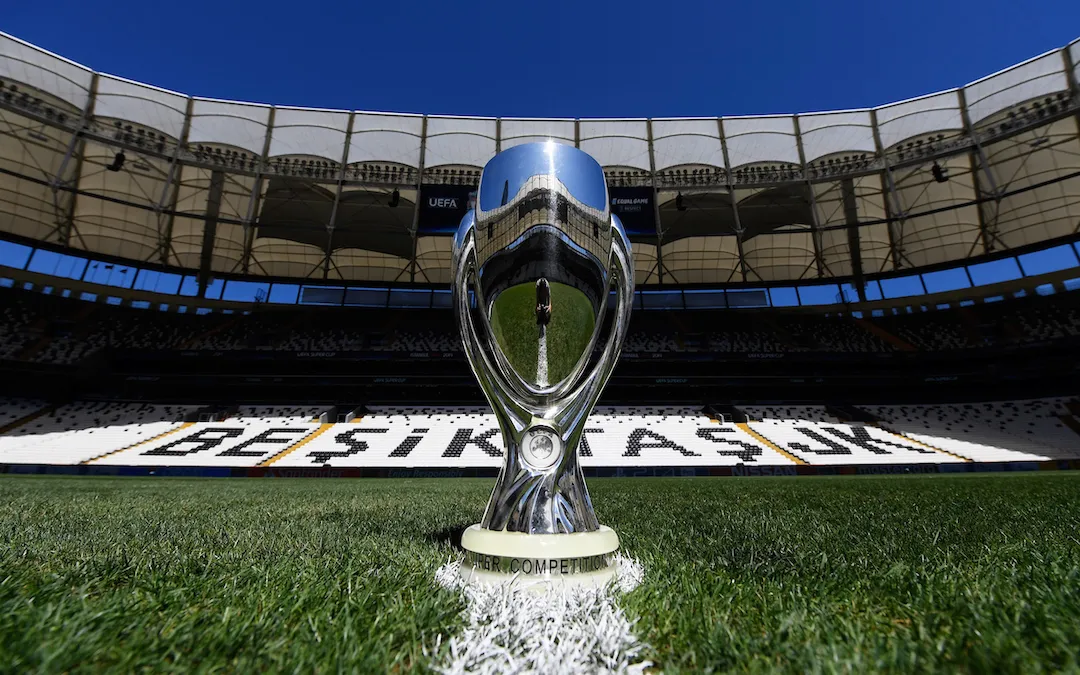
Super Cup Preview discussions ignite anticipation among football enthusiasts worldwide as the season’s first prestigious silverware hangs in the balance, pitting domestic champions against cup winners in a showcase that often reveals early clues about form, fitness, and tactical evolution heading into the campaign proper. Whether it’s the UEFA Super Cup featuring Europe’s elite or domestic equivalents across various leagues, these fixtures represent more than ceremonial exhibitions—they’re competitive battles where managers test summer acquisitions, experiment with tactical setups, and establish psychological advantages that can resonate throughout the season ahead.
The unique timing of Super Cup fixtures, typically scheduled in early August when pre-season friendlies have concluded but competitive rhythm hasn’t fully returned, creates fascinating tactical and physical dynamics. Players are fresh from abbreviated breaks following international tournaments or extended vacations, creating questions about match sharpness versus physical conditioning. Managers must balance giving key players minutes to build fitness while avoiding injuries that could derail carefully planned seasons before they truly begin.
Historical Significance and Trophy Prestige
Super Cup competitions carry varying levels of prestige depending on the specific tournament and participating clubs’ perspectives. The UEFA Super Cup, contested between Champions League and Europa League winners, represents genuine European silverware that enhances club trophy cabinets and provides tangible success for managers under pressure to deliver immediate results.
Historical context matters significantly when evaluating these fixtures’ importance. Clubs with sparse trophy cabinets often treat Super Cups as meaningful achievements worth celebrating, while perennial winners may view them as pleasant bonuses rather than primary objectives. This disparity in motivation levels can influence team selection, tactical approach, and overall intensity.
The venue selection for major Super Cups adds another dimension, with neutral locations creating atmosphere distinct from typical home-and-away fixtures. Recent UEFA Super Cups have been held in locations like Monaco, Tallinn, and Warsaw, offering supporters unique travel opportunities while eliminating home advantage that might otherwise skew competitive balance.
Record-chasing players and managers sometimes use Super Cups as opportunities to pad their personal trophy collections, adding individual motivation beyond club objectives. When a player or manager stands one trophy away from historical milestones, the stakes increase regardless of the competition’s relative prestige in the broader football hierarchy.
The financial rewards, while modest compared to Champions League revenue, still represent meaningful prize money for clubs operating on tighter budgets. The exposure from global broadcasting also carries commercial value through increased visibility for sponsors and potential shirt sales in new markets.
Tactical Considerations and Pre-Season Form
Managers approach Super Cup Preview preparations differently than league or knockout competition planning due to the fixture’s unique position in the calendar. The limited time between concluding pre-season tours and the actual match constrains tactical implementation, often leading to simplified game plans emphasizing fundamental strengths rather than complex innovations.
Pre-season friendly results provide imperfect indicators of Super Cup readiness, as these matches typically feature rotated squads, experimental formations, and varying intensity levels. A team dominating pre-season friendlies against inferior opposition might still struggle against elite Super Cup opponents playing at competitive intensity for the first time.
Physical conditioning peaks differently across squads depending on pre-season planning and player availability. Teams whose key players participated in recent international tournaments often face fitness deficits compared to opponents whose stars enjoyed full off-seasons. These physical disparities can manifest as first-half dominance by fitter teams followed by superior quality winning out as matches progress.
The psychological aspect of delivering performances under genuine competitive pressure after weeks of friendly matches shouldn’t be underestimated. Some players thrive when matches matter, raising their intensity and decision-making quality, while others need multiple competitive fixtures to rediscover their sharpness.
Set piece routines often feature prominently in Super Cups as coaches leverage extensive training ground time to develop choreographed plays. When open play fluidity hasn’t fully developed due to limited time integrating new signings, set pieces become disproportionately important as structured goal-scoring opportunities.
Key Player Matchups and Individual Brilliance
Super Cup fixtures often showcase individual battles between elite talents that shape match outcomes and provide early-season talking points. These personal duels create narrative intrigue beyond tactical systems and collective performance levels.
Striker versus defender matchups determine whether teams can convert possession into goals or maintain defensive discipline against world-class attacking threats. When a prolific goalscorer faces a defender with a point to prove or a new signing making their competitive debut, the psychological dimensions add layers beyond pure technical comparison.
Midfield battles for territorial control and tempo dictation often decide Super Cup outcomes, particularly when both teams possess quality in attacking and defensive phases. The midfielders who can impose their physical and technical qualities while executing tactical responsibilities most effectively typically drive their teams toward victory.
Goalkeeper performances in Super Cups can launch or damage seasons psychologically. A commanding display featuring crucial saves builds confidence throughout the squad, while high-profile errors create doubts that linger into league competition. The pressure of elite opposition testing goalkeepers from the season’s first minute reveals mental fortitude alongside shot-stopping ability.
New signings making competitive debuts face intense scrutiny, with performances immediately shaping supporter perceptions and media narratives. A standout Super Cup display can justify hefty transfer fees and establish a player as an immediate contributor, while disappointing debuts create pressure that some players never fully escape.
Returning players recovering from injury use Super Cups as rehabilitation markers, testing their bodies against elite competition before league seasons begin. The decision-making around how much game time these players receive balances short-term competitive advantage against long-term injury prevention.
The Impact of Summer Transfer Activity
Transfer window dynamics heavily influence Super Cup Preview analysis, as squads remain works in progress with potential additions and departures creating uncertainty around available personnel. Teams navigating active transfer negotiations often can’t finalize tactical plans until knowing which players will actually be available.
Newly signed players integrating into unfamiliar systems face compressed timelines for building chemistry with teammates and understanding tactical requirements. World-class individuals sometimes compensate for these integration challenges through pure quality, while others need extended adjustment periods before contributing optimally.
The absence of key players due to ongoing transfer speculation creates selection dilemmas for managers who must balance fielding competitive lineups against protecting potentially departing assets from injury that could collapse lucrative deals. This tension occasionally results in surprising team selections that weaken competitive chances.
Late signings completed just days before Super Cup fixtures rarely participate meaningfully, as work permit processing, medical examinations, and basic training familiarity requirements prevent immediate availability. Teams counting on these reinforcements often discover they’re competing effectively one or two players short of full strength.
Squad depth tested through Super Cup squad selection reveals which clubs successfully strengthened during summer windows and which remain vulnerable to injuries or suspensions. The ability to rotate while maintaining quality provides psychological advantages heading into grueling seasons.
Outgoing players in their final appearances before transfers sometimes deliver inspired performances as parting gifts to supporters, while others clearly have mentally checked out and contribute minimal effort. These contrasting approaches create unpredictability in team performance levels.
Venue Atmosphere and Neutral Ground Dynamics
The neutral venue tradition for major Super Cups creates unique atmospherical and logistical considerations that differ from standard home-and-away fixtures. Understanding how these dynamics affect performance helps contextualize results and identify competitive advantages.
Travel logistics impact preparation differently across teams depending on venue proximity to their bases. A club traveling shorter distances enjoys more familiar routines and reduced jet lag compared to opponents crossing multiple time zones. These seemingly minor factors can influence physical freshness and mental comfort.
Supporter allocation decisions determine whether one team effectively enjoys pseudo-home advantage through superior ticket allocation or whether the stadium feels genuinely neutral. When one club’s fans significantly outnumber opponents, the acoustic atmosphere can provide motivational boosts similar to actual home fixtures.
Stadium familiarity benefits clubs that have previously played at the venue, whether in pre-season tours, previous competitive fixtures, or other circumstances. Knowledge of pitch dimensions, playing surface characteristics, and dressing room facilities provides marginal advantages that elite teams leverage.
Local climate conditions in exotic Super Cup locations sometimes challenge players accustomed to temperate European weather. High heat and humidity in Middle Eastern venues or tropical locations test physical conditioning differently than matches played in comfortable conditions, potentially favoring teams whose pre-season preparations included climate acclimatization.
The glamorous setting of prestigious Super Cup venues, often held in architectural showcase stadiums, creates spectacle that enhances the occasion’s prestige while potentially affecting player focus. Some thrive in these high-profile environments while others feel overwhelmed by the grandeur.
Coaching Philosophy and Managerial Mindsets
How managers approach Super Cup Preview preparations reveals philosophical differences regarding the competition’s importance and optimal preparation strategies. These varying approaches significantly influence match outcomes and season trajectories.
Pragmatic coaches prioritizing long-term league success over immediate silverware sometimes field rotated squads in Super Cups, using the fixture as extended pre-season preparation rather than must-win competition. This approach risks alienating supporters who value every trophy while potentially providing physical advantages in subsequent league fixtures.
Trophy-motivated managers treating every competition seriously field strongest available lineups and implement comprehensive tactical preparations. This mentality particularly characterizes managers under pressure to deliver immediate success or those building trophy-winning cultures at historically underperforming clubs.
The psychological impact of winning or losing the season’s first trophy shouldn’t be underestimated, as positive results can catalyze confidence that propels teams through difficult early-season periods. Conversely, disappointing defeats sometimes create doubts that fester if early league results also disappoint.
Tactical experimentation versus proven reliability represents another philosophical decision point. Some managers use Super Cups to test new formations or tactical tweaks in competitive settings, gathering data before league campaigns begin. Others stick with familiar approaches that maximize winning probabilities without revealing strategic innovations opponents could analyze.
Squad rotation management tests coaches’ ability to balance keeping all players engaged through playing time while fielding competitive lineups. Successful rotation maintains squad harmony and provides valuable minutes for fringe players, while excessive rotation can undermine winning chances and create perception that the trophy isn’t valued.
Recent Form Trajectories and Momentum Factors
Analyzing pre-season performance trends provides context for Super Cup Preview predictions, though interpreting friendly results requires acknowledging their limitations as competitive indicators. Teams peaking at the right moment carry psychological advantages into prestigious fixtures.
Injury lists and player availability significantly impact realistic expectations, as missing multiple key players fundamentally alters team capabilities regardless of tactical sophistication or coaching quality. Depth charts reveal which teams can absorb absences and which become significantly weakened.
Morale and squad harmony following summer breaks vary across teams depending on how previous seasons concluded and how summer transfer activities affected group dynamics. Teams coming off triumphant campaigns with intact squads typically carry positive energy, while those suffering disappointing endings or significant personnel turnover face rebuilding challenges.
The progression of young players stepping into expanded roles creates wildcard factors that Super Cups sometimes reveal. Academy graduates seizing opportunities during pre-season occasionally deliver breakthrough performances in competitive debuts, providing unexpected competitive advantages.
Managerial stability versus turnover fundamentally affects preparation quality and tactical clarity. Returning managers implementing refined versions of established systems enjoy advantages over newcomers still teaching basic principles to unfamiliar squads.
Broadcasting and Global Viewership Appeal
Super Cup fixtures attract significant global audiences despite their early-season timing, with broadcasting arrangements ensuring worldwide accessibility. Understanding the media dynamics provides context for the competitions’ commercial importance beyond sporting significance.
Kick-off times selected for optimal viewership across multiple time zones sometimes compromise match quality by forcing players to compete during unfamiliar hours. Evening fixtures in Eastern European venues create very late viewing times in Asian markets but prime-time windows in Europe and manageable afternoon slots in the Americas.
Commentary teams and punditry panels treat Super Cups as opportunities to establish season-long narratives, with player assessments and tactical observations from these matches influencing broader media discussions for weeks afterward. Strong individual performances can elevate players into award conversation contention from the season’s first competitive fixture.
Social media engagement around Super Cups demonstrates their relevance to contemporary football culture, with trending hashtags and viral moments reaching casual fans who might not follow regular league fixtures closely. The accessible single-match format proves more digestible than lengthy tournaments.
Sponsorship visibility during Super Cups provides brands with prestigious association and global exposure, driving commercial values that incentivize organizers to maintain and enhance these competitions. The spectacle serves corporate objectives alongside sporting ones.
Historical footage and anniversary coverage of previous Super Cup classics creates nostalgic content that enhances current fixtures’ perceived importance. Memorable goals, controversial moments, and underdog victories from past editions provide narrative context enriching contemporary encounters.
Tactical Trends and Strategic Innovations
Super Cup Preview analysis often identifies tactical trends that subsequently define entire seasons, as innovative approaches tested in high-profile fixtures influence broader tactical evolution across competitions. Coaches use these platforms to showcase strategic thinking.
High pressing intensity from the opening whistle characterizes many Super Cup approaches, as teams seek early psychological advantages through aggressive defensive actions. The sustainability of this intensity throughout ninety minutes separates truly fit squads from those still building competitive conditioning.
Possession-based control versus direct transitional play represents a fundamental tactical dichotomy, with successful approaches depending on personnel capabilities and opponent vulnerabilities. Teams able to adapt their approach mid-match based on how the game unfolds demonstrate tactical flexibility that proves valuable across long seasons.
Wing-back utilization in various formations creates width and numerical advantages in different pitch zones, with Super Cups often showcasing how elite clubs deploy these hybrid defender-midfielder roles. The physical demands on wing-backs make their effective deployment an indicator of conditioning levels.
Central defensive partnerships forming chemistry quickly proves crucial, particularly when new signings or tactical adjustments require unfamiliar combinations to synchronize effectively. The communication and positional understanding required develops through match exposure that Super Cups provide.
Set piece importance often exceeds typical matches due to limited open play fluidity from teams still building competitive sharpness. Well-drilled routines practiced extensively during pre-season become disproportionately valuable goal-scoring sources.
The Psychological Edge and Mental Preparation
Mental readiness for competitive intensity after extended breaks separates champions from pretenders in Super Cup fixtures. The psychological preparation required to perform under pressure from the season’s opening whistle reveals character and professionalism.
Veteran leadership becomes particularly valuable in guiding younger players through the psychological transition from friendlies to competitive fixtures. Experienced players maintaining composure during tense moments provides stabilizing influences that prevent panic when matches hang in balance.
The pressure on managers to deliver immediate success, particularly those new to clubs or facing skepticism, makes Super Cup results psychologically significant beyond the trophy itself. Winning validates summer strategies and builds credibility, while losing intensifies scrutiny.
Player motivation levels vary based on individual circumstances, with those fighting for starting positions approaching Super Cups with extra intensity while secure stars might not feel similar urgency. Managing these varying motivation levels challenges coaches seeking collective commitment.
The ability to handle adversity during matches, whether falling behind early or facing controversial officiating decisions, tests mental resilience that indicates preparedness for season-long challenges. Teams responding positively to setbacks demonstrate championship mentalities.
Prediction Models and Expert Analysis
Statistical models and expert predictions for Super Cup Preview discussions blend historical data with subjective assessments of current form, creating forecasts that guide betting markets and supporter expectations. Understanding prediction methodologies provides context for their reliability.
Head-to-head records between competing clubs offer limited insight given the neutral venue and early-season timing, though psychological factors from previous encounters sometimes influence player and supporter confidence levels. Recent competitive matches carry more weight than historical trends from different eras.
Individual player statistics from previous seasons provide baseline expectations for performance levels, though adjustments for new teammates, tactical systems, and physical conditioning create uncertainty. Star players maintaining consistency across team changes demonstrate exceptional professionalism.
Manager track records in Super Cup fixtures reveal some coaches excel in one-off matches requiring rapid preparation while others perform better across multi-game tournaments allowing tactical adjustments. These historical tendencies inform expectations about strategic approaches.
Betting market movements reflect collective wisdom from professional gamblers and casual punters, with significant line shifts indicating new information about team selection or injuries. Understanding how to interpret these market signals enhances predictive accuracy.
The unpredictability inherent in football ensures even sophisticated models and expert analysis sometimes fail spectacularly, with Super Cup upsets regularly defying pre-match expectations. This uncertainty makes the competitions compelling viewing regardless of predicted outcomes.
Read also:
argentina national football team vs colombia national football team lineups
italy national football team vs germany national football team lineups
india national football team vs bangladesh national football team timeline
argentina national football team vs uruguay national football team lineups