

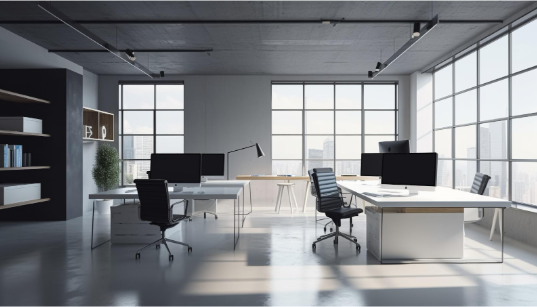
Designing commercial interiors involves more than selecting colour schemes and furniture. A successful space balances aesthetics with day-to-day functionality, ensuring the environment supports business needs while leaving a positive impression. Whether planning a retail renovation in Singapore or managing a commercial renovation, the outcome must be practical, visually coherent, and sustainable over time. Achieving this balance requires thoughtful planning, a clear understanding of user behaviour, and the right collaboration with professionals who understand both design and operational efficiency.
Understanding the Purpose of the Space
Before any renovation begins, it’s essential to define the purpose of the space clearly. Each commercial interior serves a different function, whether it is an open-plan office, a retail outlet, or a mixed-use space. A design that works well in a boutique store may not support productivity in a high-traffic corporate office.
This stage includes evaluating workflow, customer interaction points, and future expansion plans. A design brief shaped around the actual usage of the space will influence the success of any commercial renovation in Singapore. Functionality must be embedded into the layout to support daily operations without compromising visual coherence.
Designing with Flow in Mind
The physical flow of a commercial environment affects movement, behaviour, and safety. In an office, poor spatial planning can lead to disruptions, while in a retail setting, it can reduce sales by limiting product exposure. A strong layout guides users through the space effortlessly while keeping accessibility in mind.
During a commercial office renovation, designers should consider how teams collaborate and how movement can be optimised across departments. For retail renovation, visual merchandising strategies must align with foot traffic and purchase triggers. Good design always starts with how people interact with their surroundings.
Aligning Aesthetics with Brand Identity
A commercial interior should reflect the values and image of the business. Design elements like lighting, colours, textures, and finishes should align with the brand’s tone and customer expectations. A technology firm may benefit from a clean, minimalist look, while a boutique café may opt for warmer, textured interiors.
An effective commercial renovation project ensures that the visual aspects do more than decorate— reinforcing the brand and enhancing the experience. This coherence plays a key role in employee morale and customer perception, influencing how the space is remembered and used.
Prioritising Ergonomics and Comfort
Design must serve people. Ergonomics plays a role in commercial interiors, especially during office renovation. Contractors must focus on how furniture and spatial arrangements support health, movement, and productivity.
Poor ergonomics can lead to discomfort and reduced efficiency. During a commercial office renovation, investing in well-designed workstations, lighting that reduces eye strain, and acoustics that support quiet concentration is crucial. Comfort should extend to waiting areas, meeting rooms, and shared spaces, promoting a healthy and inclusive working environment.
Choosing Materials That Last
Functionality in design also depends on durability. Commercial spaces see high levels of use, which means surfaces, flooring, and furniture must withstand wear and tear. Materials should be easy to maintain while maintaining their appearance over time.
Whether for a retail renovation in Singapore or an office upgrade, choosing the right finishes protects your investment and maintains brand standards. Safety considerations, such as non-slip flooring and fire-rated materials, should also be prioritised during planning and procurement.
Learn More: Budget Friendly Tips to Improve Your Office Space
Engaging the Right Office Renovation Contractor
The success of any commercial interior project depends heavily on the team executing it. An experienced office renovation contractor understands how to translate design plans into practical results. They coordinate between subcontractors, suppliers, and designers to ensure the vision is achieved within budget and timeline constraints.
Communication is key in this process. A reliable contractor will keep stakeholders informed, handle permits and compliance, and respond to challenges quickly. Their role is especially critical in Singapore, where commercial renovations must adhere to regulations and building codes.
Incorporating Flexibility for Future Needs
Business needs change, and interiors should accommodate growth or reconfiguration. Flexibility in layout, such as movable partitions or multi-purpose rooms, allows a space to adapt over time without the need for redesigns.
Planning for flexibility during a commercial renovation in Singapore allows businesses to manage change effectively. For retail spaces, flexible shelving and fixtures allow seasonal adjustments. For offices, reconfigurable layouts support team expansions or technology upgrades without disrupting operations.
Balancing Budget with Long-Term Value
While costs are always a consideration, focusing solely on initial expenses can lead to higher maintenance costs or early replacements. Balancing aesthetic upgrades with quality investments ensures that commercial interiors stay functional and relevant for longer.
Engaging professional advice early helps identify where to save and where to invest. This balance keeps projects financially viable without sacrificing usability or visual consistency. A long-term perspective always adds value in a competitive business environment.
Creating commercial interiors that work requires a careful blend of design and functionality. Whether through retail renovation or commercial office renovation, planning with clarity, purpose, and practicality ensures that the space supports the business today and adapts to its needs tomorrow.
For information about office renovation, contact id.inc today.